نظرة عامة
تشريح الثدي
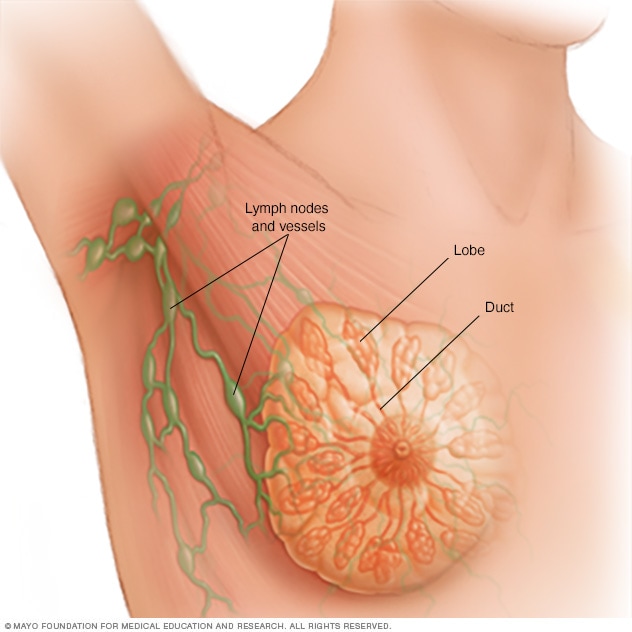
تشريح الثدي
يحتوي كل ثدي على 15 إلى 20 فصًا من الأنسجة الغدية، مرتبة مثل بتلات الأقحوان.
وتنقسم الفصوص كذلك إلى فصيصات أصغر تنتج الحليب.
وتوجد أنابيب صغيرة، تُسمَّى قنوات، تنقل الحليب إلى مستودع يوجد تحت الحلمة مباشرةً.
السرطانة القنوية الغزوية (IDC) هي أحد أنواع سرطان الثدي. وتُسبب نمو خلايا في الأنابيب التي تنقل حليب الأم إلى الحلمة. ويُطلق على هذه الأنابيب اسم القنوات.
السرطانة القنوية الغزوية هي سرطان متوغل، أي أن الخلايا السرطانية تخترق القناة الثديية وتنمو داخل أنسجة الثدي المحيطة. ويمكن أن تنتشر هذه الخلايا إلى العقد اللمفية وأجزاء أخرى من الجسم. تختلف السرطانة القنوية الغزوية عن السرطانة القنوية اللابدة (DCIS)، إذ تشير السرطانة القنوية اللابدة إلى تكوّن خلايا سرطانية داخل قناة ثديية وعدم نموها خارج تلك القناة، كما أنها نوع غير متوغل من أنواع السرطانة القنوية.
يُطلق على السرطانة القنوية الغزوية أيضًا اسم السرطانة القنوية المنتشرة، كما أنها أكثر أنواع سرطان الثدي شيوعًا، وتنتمي معظم سرطانات الثدي إلى هذا النوع. أما النوع الرئيسي الآخر لسرطان الثدي فهو سرطانة الفصيصية المتوغلة. ينشأ هذا النوع في خلايا الغدد المنتجة للحليب في الثدي، وتُسمى الفصيصات.
مقارنة بالسرطانة الفصيصية، غالبًا تُسبب السرطانة القنوية الغزوية تكوّن كتلة في الثدي. وغالبًا تُكتشف هذه الكتلة في الاختبارات التصويرية، مثل تصوير الثدي بالأشعة (الماموغرام).
يوجد العديد من الخيارات العلاجية للسرطانة القنوية الغزوية. غالبًا تُصمم خطة الرعاية بناءً على حالتكِ الصحية، ويؤدي التقدم المستمر في العلاجات إلى زيادة هذه الخيارات. ويُشفى العديد من المرضى الذين تُكتشف إصابتهم بهذا المرض. حتى في الحالات التي لا يكون فيها الشفاء ممكنًا، قد تساعد العلاجات في السيطرة على السرطان والعيش لفترة أطول.
الأنواع
غالبًا تُصنف سرطانات الثدي، بما في ذلك السرطانة القنوية الغزوية، إلى أنواع فرعية بناءً على نتائج الاختبارات التي تُجرى على الخلايا السرطانية. يمكن أن تُظهر الاختبارات المعملية ما إذا كانت الخلايا تستخدم الهرمونات أو بروتينًا يُسمى مُستقبِل عامل نمو البشرة البشري 2 (بروتين HER2) لمساعدتها في النمو. استخدام السرطان لأحد هذين العاملين أو كليهما أو عدم استخدام أي منها يحدد نوع السرطان.
إيجابي لمستقبل الهرمون
تستخدم السرطانات القنوية الغزوية الإيجابية لمستقبلات الهرمونات (HR) هرمونَي الإستروجين والبروجسترون لمساعدتها في النمو. إذا أظهرت الاختبارات أن الخلايا السرطانية تتضمن بروتينات —تُسمى مستقبلات— لأحد الهرمونين أو كليهما، فيُصبح السرطان إيجابيًا لمستقبل الهرمون. تنمو السرطانات الإيجابية لمستقبلات الهرمون ببطء عادةً، وتستجيب بشكل جيد للعلاج بحاصرات مستقبل الإستروجين.
إيجابي البروتين HER2
تفرز السرطانة القنوية الغزوية الإيجابية البروتين HER2 كميات إضافية من بروتين HER2 وتستخدمه للمساعدة في تغذية نمو السرطان. ورغم أن خلايا الثدي السليمة تُنتج كميات معينة من بروتين HER2، فإن الخلايا السرطانية تُنتج كميات أكبر بكثير من هذا البروتين. إذا كشفت الفحوصات وجود بروتين HER2 إضافي في الخلايا السرطانية أو نسخ إضافية من الجينات التي تنتج بروتين HER2، فسيصبح السرطان إيجابي البروتين HER2.
وتنمو أنواع سرطان الثدي الإيجابية البروتين HER2 بسرعة أكبر عادةً. ولكن توجد علاجات كثيرة تساعد في استهداف بروتين HER2.
سلبي لبروتين HER2
السرطانة القنوية الغزوية سلبية البروتين HER2 لا تنتج بروتين HER2 إضافيًا. ولا تستجيب هذه السرطانات للعلاج بالأدوية التي تستهدف بروتين HER2.
أما سرطانات الثدي التي تنتج مستوى منخفضًا من بروتين HER2 فتُسمى أحيانًا سرطانات منخفضة HER2 أو منخفضة HER2 للغاية. ولا تنتج هذه السرطانات ما يكفي من بروتين HER2 لتكون إيجابية لبروتين HER2، ولكنها قد تستجيب للعلاج بالأدوية التي تستهدف بروتين HER2.
ثلاثي إيجابي
تحتوي السرطانة القنوية الغزوية الثلاثية الإيجابية على مستقبلات هرمونية وتنتج كمية إضافية من بروتين HER2. تستجيب هذه السرطانات للعلاج باستخدام مثبطات هرمون الإستروجين وللأدوية التي تستهدف بروتين HER2. غالبًا يُستخدم كلا النهجين لعلاج هذه السرطانات.
ثلاثي سلبي
لا تتضمن حالة السرطانة القنوية الغزوية الثلاثية السلبية مستقبلات للهرمونات ولا تُسبب إنتاج بروتين HER2 إضافي. تنمو هذه السرطانات عادةً بسرعة، وغالبًا تُشخص في مرحلة متأخرة. لا تستجيب للعلاج بحاصرات مستقبلات الإستروجين أو الأدوية التي تستهدف بروتين HER2. تستجيب سرطانات الثدي الثلاثية السلبية هذه إلى العلاج الكيميائي وقد يفيد العلاج المناعي.
الأعراض
تغيرات حلمة الصدر
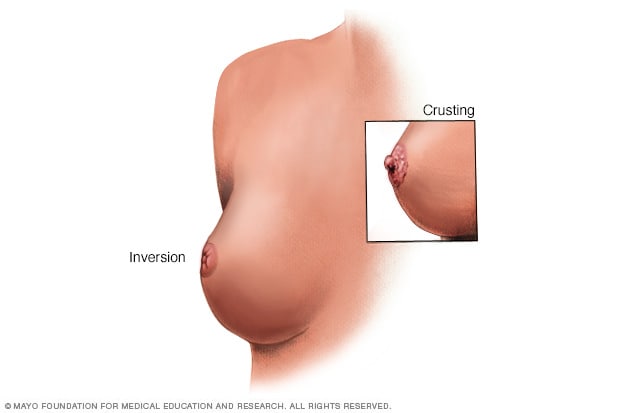
تغيرات حلمة الصدر
قد تكون التغيرات التي تطرأ على الثدي والحلمة مؤشرًا على الإصابة بسرطان الثدي. حددي موعدًا طبيًا لزيارة اختصاصي الرعاية الصحية إذا لاحظتِ أي تغيرات.
لا تُسبب السرطانة القنوية الغزوية (IDC) أعراضًا في البداية في كل الحالات. كما هي الحال مع أنواع سرطان الثدي الأخرى، قد يُكتشف هذا المرض في اختبار مسحي، مثل تصوير الثدي بالأشعة (الماموغرام)، قبل أن يُسبب ظهور أعراض.
قد تشمل أعراض السرطانة القنوية الغزوية ما يلي:
- وجود كتلة في الثدي أو منطقة جلد سميكة تختلف عن الأنسجة المحيطة.
- تسطّح الحلمة أو انقلابها إلى الداخل.
- تغيّرات في لون جلد الثدي. بالنسبة إلى ذوات البشرة البيضاء، قد يبدو لون جلد الثدي ورديًا أو أحمر. وبالنسبة إلى ذوات البشرة البنية والسوداء، قد يبدو لون جلد الثدي داكنًا أكثر من باقي مساحة الجلد الأخرى في الصدر أو قد يبدو أحمر أو بنفسجيًا أو بنيًا.
- تغيّر في حجم الثدي أو شكله أو مظهره.
- تغيّرات في جلد الثدي، كأن تظهر نقرات في الجلد أو كأن يبدو الجلد كسطح قشر البرتقال.
- تقشّر أو تحرشف أو تندّب أو تقشّف في جلد الثدي.
مقارنة بأنواع سرطان الثدي الأخرى، غالبًا تُسبب السرطانة القنوية الغزوية تكوّن كتل في أنسجة الثدي. أما النوع الرئيسي الآخر لسرطان الثدي، وهو السرطانة الفصيصية المتوغلة، فغالبًا لا يُسبب تكوّن كتلة ملموسة.
متى ينبغي زيارة الطبيب
إذا وجدتِ كتلة أو تغيرًا في أحد ثدييكِ، فاحجزي موعدًا طبيًا لزيارة الطبيب أو غيره من اختصاصيي الرعاية الصحية. لا تنتظري موعد فحص تصوير الثدي بالأشعة التالي. أبلغي عن أي تغيرات في ثدييكِ حتى وإن لم يُظهر تصوير الثدي بالأشعة وجود سرطان الثدي.
الأسباب
السبب الدقيق للسرطانة القنوية الغزوية (IDC) غير معروف. ورغم أن الأبحاث قد اكتشفت وجود علاقة بين السرطانة القنوية الغزوية والسيرة المرَضية العائلية للإصابة بسرطان الثدي والسُمنة وشرب الكحول، فإنه لم يتضح بعد سبب عدم إصابة بعض الإناث بهذا السرطان رغم وجود كل عوامل الخطورة السابقة لديهن، في حين تُصاب به أخريات دون وجود أي عامل من عوامل الخطورة. وأغلب الظن أن السرطانة القنوية الغزوية تنتج عن مزيج معقد بين التكوين الجيني والبيئة المحيطة.
تنشأ السرطانة القنوية الغزوية عند حدوث تغير في الحمض النووي داخل الخلايا في قنوات الحليب. ويحمل الحمض النووي للخلية التعليمات التي توجّه الخلية لأداء وظيفتها. في الخلايا السليمة، يحمل الحمض النووي تعليمات لتوجيه الخلايا للتكاثر بمعدل محدد، بالإضافة إلى الموت في وقت محدد. في الخلايا السرطانية، تؤدي التغيرات في الحمض النووي إلى تغيير هذه التعليمات. ونتيجة لذلك، تتضاعف الخلايا السرطانية بشكل أسرع من الخلايا السليمة، وقد تبقى الخلايا السرطانية حية في حين تموت الخلايا السليمة، ويؤدي ذلك إلى تزايد الخلايا بشكل مفرط.
قد تنمو الخلايا السرطانية وتشكل ورمًا داخل قنوات الحليب. في حالة السرطانة القنوية الغزوية، ينمو الورم خارج القنوات وينتشر في أنسجة الثدي المجاورة. وقد يسيطر الورم على الإمداد الدموي المحيطي. وبمرور الوقت، يمكن أن تنفصل الخلايا السرطانية وتنتشر في أجزاء أخرى من الجسم. ويُطلق على هذه الحالة السرطان النقيلي. غالبًا تنتشر السرطانة القنوية الغزوية إلى العظام والرئتين والكبد والدماغ.
عوامل الخطورة
تتطابق عوامل الخطورة المرتبطة بالإصابة بالسرطانة القنوية الغزوية مع عوامل الخطورة المرتبطة بالإصابة بسرطان الثدي بشكل عام. تتضمن العوامل التي قد تزيد خطر الإصابة بسرطان الثدي ما يلي:
- وجود سيرة مرَضية عائلية للإصابة بسرطان الثدي. في حال إصابة الأم أو الأخت أو الابنة بسرطان الثدي، يزداد خطر إصابتكِ بسرطان الثدي. ويزداد خطر الإصابة به في حال وجود سيرة مرَضية للإصابة بسرطان الثدي في عمر مبكر. ويزداد الخطر أيضًا إذا شُخّص عدة أفراد في العائلة بسرطان الثدي. ومع ذلك، معظم المصابات اللاتي شُخّصت إصابتهن بسرطان الثدي لا توجد لديهن سيرة مرَضية عائلية للإصابة بالمرض.
- وجود سيرة مرَضية شخصية للإصابة بسرطان الثدي. في حال الإصابة بسرطان في أحد الثديين، يزداد خطر الإصابة به في الثدي الآخر.
- وجود سيرة مرَضية شخصية للإصابة بحالات مرَضية مرتبطة بالثدي. تشير حالات مرَضية معينة مرتبطة بالثدي إلى زيادة خطر الإصابة بسرطان الثدي. وتشمل هذه الحالات المرَضية السرطانة الفصيصية اللابدة (LCIS)، وفرط التنسّج اللانمطي للثدي. لذا، إذا أجريتِ خزعة الثدي وشُخّصتِ بالإصابة بأحد هذه الأمراض، فإنكِ عرضة بشكل أكبر لخطر الإصابة بسرطان الثدي.
- الإناث. النساء أكثر عرضة لخطر الإصابة بسرطان الثدي مقارنةً بالرجال. ومع ذلك، يولد الجميع ولديهم نسيج ثديي، لذلك قد يُصاب أي شخص بسرطان الثدي، بما في ذلك الرجال.
- بدء الدورة الشهرية في عمر مبكر. يزيد بدء الطمث قبل عمر 12 عامًا خطر الإصابة بسرطان الثدي.
- بدء انقطاع الطمث في سن متأخرة. بدء انقطاع الطمث بعد عمر 55 عامًا يزيد من خطر الإصابة بسرطان الثدي.
- أنسجة الثدي العالية الكثافة. تتكوّن أنسجة الثدي من أنسجة دهنية وأنسجة كثيفة. وتتكون الأنسجة الدهنية من الدهون. وتتكون الأنسجة الكثيفة من الغدد والقنوات اللبنية والأنسجة الليفية. إذا كانت كثافة الثديين عالية، فهذا يعني أن الأنسجة العالية الكثافة أكثر من الأنسجة الدهنية في الثديين. وجود أنسجة عالية الكثافة في الثديين يزيد من خطر الإصابة بسرطان الثدي ويجعل من الصعب اكتشاف السرطان في صورة الثدي الشعاعية (الماموغرام). تحدّثي إلى فريق الرعاية الصحية عن الاختبارات الأخرى التي يمكنكِ الخضوع لها إلى جانب تصوير الثدي بالأشعة للكشف عن سرطان الثدي.
- شرب الكحول. يزيد شرب الكحول من خطر الإصابة بسرطان الثدي. لا توجد كمية آمنة من الكحول عندما يتعلق الأمر بسرطان الثدي. كلما زاد شرب الكحول، ارتفع خطر الإصابة.
- عدم الحمل مطلقًا. يقلل الحمل مرة واحدة أو أكثر خطر الإصابة بسرطان الثدي. أما عدم الحمل مطلقًا، فيزيد خطر الإصابة.
- إنجاب الطفل الأول في عمر متأخر. قد يزيد إنجاب الطفل الأول بعد عمر 30 عامًا خطر الإصابة بسرطان الثدي.
- التقدم في العمر. يزداد خطر الإصابة بسرطان الثدي كلما تقدمتِ في العمر.
- التغيّرات الوراثية في الحمض النووي التي تزيد خطر الإصابة بالسرطان. يمكن أن تُوَرّث بعض تغيّرات الحمض النووي التي تزيد خطر الإصابة بسرطان الثدي من الوالدين إلى الأبناء. تحدث التغيّرات الأكثر شيوعًا في جينين، وهما BRCA1 و BRCA2. ويمكن أن تزيد هذه التغيّرات بدرجة كبيرة خطرَ إصابتكِ بسرطان الثدي وغيره من أنواع السرطان، لكن لا يعني ذلك أن كل من لديهن تغيرات الحمض النووي هذه سيُصبنَ حتمًا بالسرطان.
- العلاج الهرموني الإياسي. قد يؤدي تناوُل أدوية معينة للعلاج الهرموني للتحكم في أعراض انقطاع الطمث (الدورة الشهرية) إلى زيادة خطر الإصابة بسرطان الثدي. يرتبط الخطر بأدوية العلاج الهرموني التي تجمع بين الإستروجين والبروجستيرون.
- السُمنة. تؤدي السُمنة إلى زيادة احتمال الإصابة بسرطان الثدي.
- التعرض للإشعاع. تزيد العلاجات الإشعاعية على الصدر في مرحلة الطفولة أو الشباب خطر الإصابة بسرطان الثدي.
الوقاية
يمكنك اتخاذ خطوات لخفض خطر التعرض للإصابة بالسرطانة القنوية الغزوية وغيرها من سرطانات الثدي الأخرى.
الاستفسار عن فحوصات الكشف عن سرطان الثدي
تحدثي إلى الطبيب المتابع لحالتك أو غيره من اختصاصيي الرعاية الصحية عن موعد بدء إجراء فحوصات الكشف عن سرطان الثدي. واسألي الطبيب المتابع لحالتكِ عن فوائد الفحص ومخاطره. ويمكنكما معًا أن تقررا الاختبارات المسحية لسرطان الثدي الأنسب لحالتكِ.
التعرّف على حالة الثديين
أجرِ فحوصات ذاتية للثدي بحيث تعرفي كيف يبدو الثدي عادةً. وإذا طرأ أي تغيير جديد أو ظهرت كتلة أو شيء غير طبيعي في ثدييكِ، فأخبري اختصاصي الرعاية الصحية على الفور.
لا تقي مراقبة حالة الثديين من خلال الفحوصات الذاتية من الإصابة بسرطان الثدي. لكنها قد تساعدكِ على فهم شكل الثديين وملمسهما بشكل أفضل، ما يزيد احتمال ملاحظة أي تغيرات تطرأ عليهما.
إذا كنتِ تتناولين الكحول فتناوليه باعتدال.
إذا اخترتِ تناوُل المشروبات الكحولية، فقلّلي تكرار الشرب ومقدار المشروب. للحد من الأثر السلبي على صحتك العامة، فاكتفي بمشروب واحد أو أقل في اليوم. لا تشربي الكحوليات يوميًا. فكلما قللتِ شرب الكحوليات، كان ذلك أفضل.
لا يمكن القول إن هناك كمية محددة من الكحول يمكن تناولها بأمان للوقاية من الإصابة بسرطان الثدي. لذلك إذا كنت تشعرين بالقلق حيال الإصابة بسرطان الثدي، فيُستحسن الامتناع عن تناوُل المشروبات الكحولية.
ممارسة الرياضة معظم أيام الأسبوع
حاولي تخصيص 30 دقيقة على الأقل لممارسة التمارين الرياضية معظم أيام الأسبوع. وإذا كنتِ لا تمارسين الرياضة في الآونة الأخيرة، فاسألي اختصاصي الرعاية الصحية عن إمكانية ممارسة الرياضة وابدئي بالتدريج.
الحد من استخدام العلاج الهرموني الإياسي
قد يزيد العلاج الهرموني الذي يتضمن استخدام مزيج من الإستروجين والبروجيسترون خطر التعرض للإصابة بسرطان الثدي. تحدّثي إلى اختصاصي الرعاية الصحية بشأن فوائد العلاج الهرموني ومخاطره.
الحفاظ على وزن صحي
إذا كان وزنكِ ضمن المعدل الصحي، فاحرصي على المحافظة عليه. وإذا كنتِ بحاجة إلى إنقاص الوزن، فاسألي اختصاصي الرعاية الصحية عن الطرق الصحية لتقليل الوزن. بشكل عام، حاولي تقليل عدد السعرات الحرارية التي تتناولينها مع زيادة التمارين الرياضية التي تمارسينها بالتدريج.
التحدث إلى اختصاصي الرعاية الصحية حول خطر الإصابة بالسرطان
إذا كانت لديكِ سيرة مرَضية عائلية للإصابة بسرطان الثدي أو كنتِ تعتقدين بأنكِ أكثر عرضة لخطر الإصابة بسرطان الثدي، فناقشي الأمر مع اختصاصي الرعاية الصحية. قد تكون الأدوية الوقائية والجراحة والفحص المتكرر خيارات مناسبة للنساء الأكثر عرضة لخطر الإصابة بسرطان الثدي.