التشخيص
إذا اشتبه اختصاصيو الرعاية الصحية في إصابتك بسكتة دماغية، فستكون وتيرة الأمور سريعة بمجرد وصولك إلى المستشفى. والهدف الأول معرفة نوع السكتة الدماغية التي تتعرض لها. ويحتاج اختصاصيو الرعاية الصحية أيضًا إلى استبعاد الأسباب المحتملة الأخرى للأعراض، مثل وجود ورم دماغي أو تفاعل دوائي.
قد تشمل الاختبارات المستخدمة لتشخيص السكتة الدماغية الصّمّية ما يلي:
- الفحص البدني وتحاليل الدم. يسأل اختصاصي الرعاية الصحية عن وقت بدء الأعراض ويُجري عدة اختبارات. وقد تشمل هذه الفحوصات الاستماع إلى القلب وقياس ضغط الدم. ومن هذه الفحوصات أيضًا فحص الأعصاب الذي يكشف مدى تأثير السكتة الدماغية المحتمَلة على الجهاز العصبي. كما قد تخضع لاختبارات للتحقق من سرعة تجلّط الدم وما إذا كان مستوى سكر الدم مرتفعًا أو منخفضًا عن النطاق الطبيعي. وقد تُجرى لك اختبارات للتحقق مما إذا كانت لديك عَدوى.
- التصوير المقطعي المحوسب. يستخدم الفحص بالتصوير المقطعي المحوسب الأشعة السينية لتكوين صورة مُفصّلة للدماغ. يمكن أن يكشف التصوير المقطعي المحوسب عن وجود نزف في الدماغ أو سكتة دماغية إقفارية أو ورم أو غير ذلك من الحالات المرَضية. وقد تُحقن مادة تباين في مجرى الدم لرؤية الأوعية الدموية في الرقبة والدماغ بمزيد من التفصيل. ويُطلق على هذا النوع من الاختبارات اسم تصوير الأوعية المقطعي المحوسب. ويقيس اختبار يُسمى فحص التصوير المقطعي المحوسب للإرواء تدفق الدم في الدماغ.
- التصوير بالرنين المغناطيسي. يستخدم التصوير بالرنين المغناطيسي موجات راديوية قوية ومجالاً مغناطيسيًا قويًا لتكوين صورة مُفصّلة للدماغ. ويمكن أن يكتشف هذا الاختبار أنسجة الدماغ المتضررة بسبب السكتة الدماغية الإقفارية. وفي بعض الأحيان، تُحقن مادة تباين في أحد الأوعية الدموية لإظهار الشرايين والأوردة وإبراز تدفق الدم. ويُطلق على هذا الاختبار اسم تصوير الأوعية بالرنين المغناطيسي أو تصوير الأوردة بالرنين المغناطيسي. ويقيس اختبارٌ يُسمى الإرواء بالرنين المغناطيسي تدفق الدم في الدماغ.
- تصوير الشريان السباتي بالموجات فوق الصوتية. في هذا الاختبار، تُكوّن الموجات الصوتية صورًا مفصلة لباطن الشرايين السباتية في العنق. ويمكن أن يُظهر تصوير الشرايين السباتية بالموجات فوق الصوتية تراكُم الترسبات الدهنية، أو ما يُعرف باللويحات، وتدفّق الدم في الشرايين السباتية.
- تصوير الأوعية الدماغية. يُستخدم هذا الاختبار بشكل أقل شيوعًا، لكنه يوفر صورة مفصلة للشرايين في الدماغ والعنق. وفيه يُدخل الطبيب أنبوبًا رفيعًا مرنًا —يُسمى أنبوب القسطرة— عبر شقٍ صغير يكون في الأُربية عادةً. بعد ذلك يُحرّك أنبوب القسطرة عبر الشرايين الرئيسة وداخل الشريان السباتي أو الشريان الفقري في العنق. ثم تُحقن صبغة في الأوعية الدموية لإظهار الشرايين في صور الأشعة السينية.
- مخطط صدى القلب. تُستخدَم الموجات الصوتية في مخطط صدى القلب لتكوين صور مفصلة للقلب. ويمكن باستخدام مخطط صدى القلب كشف منشأ الجلطات في القلب التي ربما تكون قد انتقلت إلى الدماغ وسببت سكتة دماغية.
- مراقبة نظم القلب. يمكن أن يساعد مخطط كهربية القلب (ECG أو EKG) على اكتشاف الرجفان الأذيني أو مشكلة أخرى في نظم القلب قد تكون سببت صِمّة. وقد يحتاج بعض الأشخاص إلى مراقبة نظم القلب مدة أطول بعد التقييم الأول، على سبيل المثال: إذا بدت السكتة الدماغية صِمّية لكن السبب لا يزال غير واضح. وقد يشمل ذلك ارتداء جهاز هولتر أو جهاز تسجيل خارجي أو جهاز آخر. أو قد يُزرع جهاز، مثل المسجل المتواصِل المزروع، تحت الجلد أثناء إجراء جراحي بسيط.
السكتة الدماغية الصّمّية مجهولة المصدر
تشير الاختبارات أحيانًا إلى أن السكتة الدماغية حدثت بسبب صِمّة، لكن يظل مصدرها غير واضح. وقد تسمع مصطلح السكتة الدماغية الصّمّية مجهولة المصدر (ESUS)، أثناء تشخيص الحالة.
لتصنيف السكتة الدماغية على أنها سكتة دماغية صِمّية مجهولة المصدر، يجب أن يستخدم اختصاصيو الرعاية الصحية تقنيات تصوير الدماغ والأوعية الدموية واختبارات القلب من أجل:
- استبعاد نوع صغير وعميق من السكتة الدماغية يرتبط بالأوعية الدموية الصغيرة في الدماغ.
- استبعاد أمراض القلب الرئيسية التي يمكن أن تُسبب الانصمام.
- التأكد من أن الشريان الذي يمد منطقة الدماغ المصابة لم يتضيق بنسبة 50% أو أكثر.
قد تسمع أيضًا مصطلح السكتة الدماغية مجهولة السبب. هذا مصطلح عام يشير إلى أي سكتة دماغية إقفارية لا يُعرف سببها حتى بعد إجراء الفحوصات المعتادة.
للمزيد من المعلومات
العلاج
يجب أن يبدأ علاج السكتة الدماغية الصّمية على الفور لتقليل خطر حدوث ضرر في الدماغ ومضاعفات أخرى. الهدف الأول استعادة تدفق الدم إلى الدماغ في أسرع وقت ممكن. يمكن تنفيذ ذلك عن طريق:
-
أدوية الطوارئ الوريدية المذيبة للجلطات. يجب إعطاء الأدوية الوريدية التي يمكنها إذابة الجلطات خلال 4 ساعات ونصف من بدء الأعراض أو من آخر مرة كان فيها المريض بصحة جيدة. وكلما أُعطي الدواء مبكرًا، كان ذلك أفضل. يفيد العلاج السريع في تحسين فرصك في النجاة، وقد يقلل المضاعفات.
حُقن منشط البلازمينوجين النسيجي المؤتلف (TPA) عبر الوريد هي العلاج القياسي للسكتة الدماغية الإقفارية. عادةً تُعطى حقنة منشط البلازمينوجين النسيجي عبر وريد في الذراع خلال أول 4 ساعات ونصف من ظهور أعراض السكتة الدماغية.
يعيد هذا الدواء تدفق الدم عن طريق إذابة الجلطة الدموية المسبّبة للسكتة الدماغية. وقد يساعد الأشخاص المصابين بالسكتات الدماغية في الشفاء بالكامل عن طريق التخلص من سبب السكتة الدماغية بسرعة. يأخذ اختصاصي الرعاية الصحية في الحسبان بعض المخاطر، مثل احتمال حدوث نزيف في الدماغ، ليقرر ما إذا كان استخدام منشط البلازمينوجين النسيجي جزءًا من الخطة العلاجية.
-
إزالة الجلطة باستخدام الدعامة المستخرجة للجلطات، وهو ما يُعرف أيضًا باستئصال الجلطة ميكانيكيًا. يمكن لجهاز متصل بأنبوب القسطرة إزالة الجلطة مباشرةً من الوعاء الدموي المسدود في الدماغ. وهذا الإجراء مفيد على وجه الخصوص للأفراد الذين لديهم جلطات دموية كبيرة لا يمكن إذابتها بالكامل بمنشط البلازمينوجين النسيجي. يُنفّذ هذا الإجراء الطبي غالبًا مع حقن منشط البلازمينوجين النسيجي. قد يساعد هذا الإجراء الطبي في تحسين النتائج وتقليل الإعاقة على المدى الطويل، ويجب تنفيذه في أقرب وقت ممكن. في بعض الحالات، يمكن استخدامه حتى 24 ساعة بعد آخر مرة عُلم فيها أن الشخص كان بصحة جيدة.
يومًا بعد يوم يتسع الإطار الزمني الذي يمكن خلاله التفكير في استخدام هذه الإجراءات وذلك بفضل توفر تقنيات التصوير الحديثة. تساعد اختبارات الإرواء التصويرية التي تُجرى باستخدام التصوير المقطعي المحوسب أو التصوير بالرنين المغناطيسي في تحديد ما إذا كان المريض قد يستفيد من استئصال الجلطة ميكانيكيًا. في بعض الحالات، يمكن استخدامه حتى 24 ساعة بعد آخر مرة عُلم فيها أن الشخص كان بصحة جيدة.
العلاجات الأخرى
قد يقترح اختصاصيو الرعاية الصحية عليك علاجات أخرى حسب سبب السكتة الدماغية الصّمية. قد تساعد هذه العلاجات على تقليل خطر التعرض لسكتة دماغية أخرى.
- استئصال بطانة الشريان السباتي. الشريانان السباتيان هما الوعاءان الدمويان اللذان يمتدان على جانبي العنق ويمدان الدماغ بالدم. في هذه الجراحة، تُزال اللويحات التي تسد الشريان السباتي، وقد تقلل الجراحة خطر التعرض للإصابة بسكتة دماغية أخرى. إلا أن استئصال بطانة الشريان السباتي ينطوي على مخاطر، خاصةً لدى المصابين بمرض القلب أو لديهم حالات طبية أخرى.
- الرأب الوعائي والدعامات. في الرأب الوعائي، يصل الجرّاح إلى الشرايين السباتية بأنبوب قسطرة عبر أحد الشرايين الموجودة في الأربية. ثم يُنفخ بالون لتوسيع الشريان الضيق. ويمكن بعد ذلك تركيب دعامة لدعم الشريان الذي جرى توسيعه.
- الأدوية والتغييرات في نمط الحياة التي تساعد في الوقاية من السكتة الدماغية. بعد انتهاء المرحلة الطارئة، قد يُوصى بتناول أدوية وإجراء تغييرات في نمط الحياة للوقاية من الإصابة بسكتة دماغية أخرى. قد تختلف هذه العلاجات والتغييرات باختلاف سبب السكتة الدماغية الصّمية. يحتاج بعض المصابين إلى أدوية مضادة للصفيحات أو مضادة للتخثر، إضافةً إلى إجراء تغييرات في نمط الحياة تساعد في تقليل خطر التعرض للجلطات. قد يحتاج آخرون إلى أدوية وإجراء تغييرات في نمط الحياة للتحكم في الحالات، مثل ارتفاع ضغط الدم، التي تزيد من خطر التعرض للسكتة الدماغية.
- إغلاق لاحقة الأذين الأيسر. قد يكون هذا الإجراء الطبي خيارًا مناسبًا لبعض المصابين بالرجفان الأذيني والذين لا يستطيعون تناول أدوية مميعة للدم بسبب مخاطر النزيف. في هذا الإجراء الطبي، يُغلق الطبيب كيسًا صغيرًا في الحجرة العلوية اليسرى للقلب. يُطلق على هذا الكيس اسم اللاحقة، وهو المكان الذي تتشكل فيه معظم الجلطات المرتبطة بالرجفان الأذيني. خلال الإجراء الطبي، يوجه الطبيب جهاز الإغلاق برفق عبر أنبوب قسطرة إلى الكيس. ويُنزع أنبوب القسطرة بمجرد وصول الجهاز إلى مكانه. ويبقى الجهاز بشكل دائم.
- إغلاق الثقبة البيضوية السالكة. إذا كان لديك فتحة في القلب تُسمى الثقبة البيضوية السالكة وكنت قد أصبت بسكتة دماغية يُشتبه في أنها ناجمة عن هذه الفتحة، فقد تحتاج إلى إجراء طبي لإغلاقها. قد يُجرى الإجراء الطبي عن طريق إدخال سدادة في الفتحة عبر أنبوب رفيع ومرن يُدخل من الأُربية ويُوجَّه إلى القلب. أو قد يُغلق بالغرز الجراحية خلال جراحة تُجرى من خلال شق صغير، باستخدام تقنيات روبوتية في بعض الأحيان. الثقبة البيضوية السالكة من الحالات الشائعة. ومعظم المصابين بها ممن يتعرضون للسكتة الدماغية يظهر لديهم سبب آخر للسكتة الدماغية. ولا تستدعي حالتهم الخضوع لإغلاق هذه الثقبة.
في حالات الانصمام الدهني، يهدف العلاج بشكل أساسي إلى تخفيف الأعراض وتقديم الرعاية المساندة، مثل التحكم في ضغط الدم أو استخدام جهاز التنفس الصناعي للمساعدة في التنفس.
في حالات الانصمام الهوائي، يشمل العلاج غالبًا إعطاء الأكسجين بتيار عالٍ لفترة قصيرة والعلاج بالأكسجين عالي الضغط. قد تؤدي هذه العلاجات إلى تحسين النتائج إذا أُجريت في وقت مبكر بعد حدوث الانصمام الهوائي.
التعافي من السكتة الدماغية والتأهيل
اتصالات نصف الكرة الدماغية
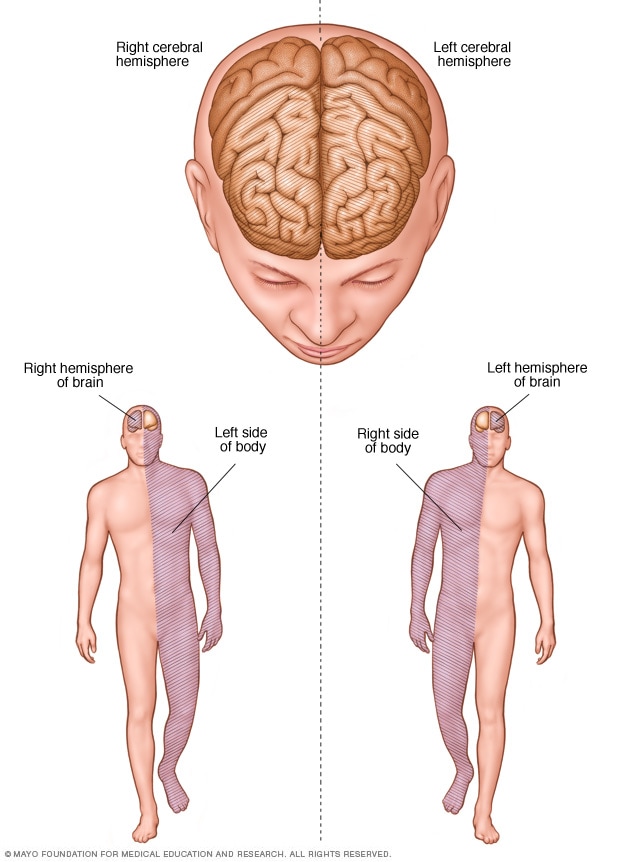
اتصالات نصف الكرة الدماغية
بعد تلقي العلاج الطارئ، ستخضع للملاحظة الطبية اللصيقة لمدة يوم على الأقل. وبعد ذلك، تركز رعاية السكتة الدماغية على مساعدة المريض على استعادة وظائفه قدر الإمكان والعودة للعيش باستقلالية. يختلف تأثير السكتة الدماغية باختلاف منطقة الدماغ التي تضررت ومقدار الأنسجة المتضررة.
فإذا أصابت السكتة الشق الأيمن من الدماغ، قد تتأثر الحركة والإحساس في الشق الأيسر من الجسم. أما إذا أصابت السكتة الشق الأيسر من الدماغ، فقد تتأثر الحركة والإحساس في الشق الأيمن من الجسم. وقد يُسبب تضرر الشق الأيسر من الدماغ اضطرابات في الكلام واللغة أيضًا.
يخضع معظم الأشخاص الذين نجوا من سكتة دماغية وما زالت لديهم أعراض متبقية لبرامج تأهيلية. ومن الممكن أن يوصي اختصاصي الرعاية الصحية بالبرنامج العلاجي المناسب للحالة. وذلك حسب العمر والحالة الصحية العامة ودرجة الإعاقة الناتجة عن السكتة الدماغية. ويُراعَى في ذلك نمط الحياة والاهتمامات الشخصية والأولويات وما إذا كان هناك أحد أفراد الأسرة أو مقدمي الرعاية لمساعدة المريض أم لا.
قد يبدأ التأهيل قبل مغادرة المستشفى. وبعد الخروج من المستشفى، يمكن متابعة البرنامج في وحدة تأهيل تابعة للمستشفى، أو وحدة تأهيل أخرى أو إلى منشأة تمريض متخصصة دون حاجة للمبيت. يمكنك أيضًا الخضوع للتأهيل في المنزل.
تختلف وتيرة التعافي من السكتة الدماغية من شخصٍ لآخر. اعتمادًا على حالتك، قد يضم فريق العلاج طبيبًا متخصصًا في أمراض الدماغ يُعرف بطبيب الأعصاب، أو طبيبًا متخصصًا في طب التأهيل يُعرف بالطبيب الفيزيائي، أو ممرضًا متخصصًا في التأهيل، أو اختصاصي تغذية، أو اختصاصي علاج طبيعي، أو اختصاصي علاج مهني، أو اختصاصي علاج ترفيهي، أو اختصاصي التخاطب، أو أخصائيًا اجتماعيًا أو مدير حالة، أو أخصائيًا نفسيًا أو طبيبًا نفسيًا، أو مرشدًا دينيًا.
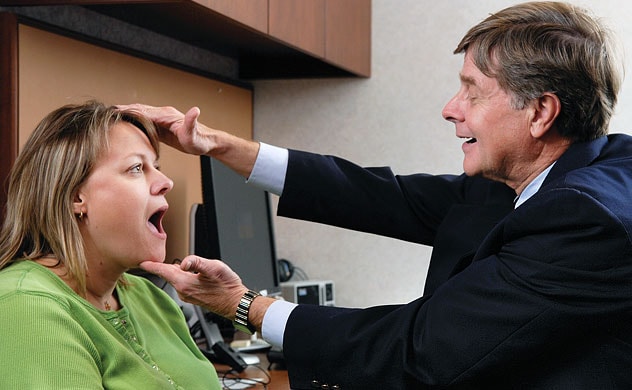
تشكل معالجة النطق في كثير من الأحيان جزءًا من التأهيل بعد السكتة الدماغية.
للمزيد من المعلومات
مآل المرض
السكتة الدماغية الصِمّية خطيرة. فقد تؤدي إلى الإعاقة، وربما تهدد الحياة. يُحسّن العلاج السريع فرص النجاة، وقد يقلل المضاعفات. بعد الإصابة بسكتة دماغية صِمّية، يتعافى بعض الأشخاص جيدًا. بينما يصاب آخرون بإعاقة دائمة أو يحتاجون إلى المساعدة لممارسة أنشطة الحياة اليومية. يعتمد التعافي على عدد من العوامل، منها:
- حجم الجزء المتضرر من الدماغ.
- منطقة الدماغ التي تأثرت.
- مدى سرعة تلقّي العلاج.
لا يمكن دائمًا عكس الأضرار الدماغية الناجمة عن السكتة الدماغية الصِمّية بشكل كامل. التعافي ممكن، ويستعيد بعض الأشخاص قدراتهم الوظيفية بشكل ملموس. لكن الكثيرين لا يستعيدون اعتمادهم الكامل على أنفسهم. يحتاج حوالي نصف الأشخاص الذين يعيشون لأكثر من ستة أشهر بعد إصابتهم بسكتة دماغية إلى المساعدة في أداء نشاط واحد على الأقل من أنشطة الحياة اليومية.
خطر الإصابة بسكتة دماغية صِمّية أخرى جزء مهم من مآل المرض. تنطوي بعض أسباب السكتة الدماغية الصِمّية على مخاطر أعلى للإصابة بسكتة دماغية أخرى مقارنةً بأسباب أخرى. على سبيل المثال، ترتبط الأسباب الرئيسية المتعلقة بالقلب بارتفاع خطر تكرار الإصابة.
الرعاية المستمرة بعد الإصابة بسكتة دماغية صِمّية أمر مهم، لأن العلاج والحد من المخاطر يمكنهما المساعدة في تقليل احتمالات التعرض لسكتة دماغية أخرى، بالإضافة إلى تحسين التوقعات على المدى الطويل.
التأقلم والدعم
السكتة الدماغية الصّمّية حدث يغيّر مجرى الحياة، ويُمكن أن يؤثر في سلامتك العاطفية بقدر تأثيره في وظائفك الجسدية. قد يشعر بعض الأشخاص بالإحباط أو الاكتئاب أو يلاحظون تقلبات في المزاج. وقد تقل الرغبة الجنسية لدى بعض الأشخاص بعد الإصابة بالسكتة الدماغية الصّمّية.
من العوامل الأساسية في التعافي الحفاظُ على الثقة بالنفس، والتواصل مع الآخرين، والشغف بالأشياء المحيطة. تشمل الطرُق العديدة التي قد تفيدك ومقدّمي الرعاية ما يلي:
- لا تقسُ على نفسك. يتطلّب التعافي الجسدي والعاطفي جهدًا كبيرًا، ويستغرق وقتًا طويلاً. فعليك أن تحتفي بالتقدّم الذي تحرزه، وامنح نفسك وقتًا للراحة.
- انضم إلى مجموعة دعم. يتيح لك الالتقاء بآخرين يتعافون من السكتة الدماغية الخروج ومشاركة التجارب. كما يمكنك أن تتبادل معهم المعلومات وتُكَوّن صداقات جديدة.
- أخبر أصدقاءك وأفراد أسرتك بما تحتاج إليه. قد يرغب أحدهم في تقديم المساعدة، لكنه لا يعرف ما ينبغي فعله. أخبرهم كيف يمكنهم مساعدتك. على سبيل المثال، اطلب منهم إحضار وجبة والبقاء لتناولها معك والتحدّث إليك. أو اطلب منهم مرافقتك في المناسبات الاجتماعية أو الأنشطة الدينية.
تحديات التواصل
إذا أثرت السكتة الدماغية الصّمّية على الكلام واللغة، فقد تساعدك النصائح التالية أنت ومقدمي الرعاية على التأقلم.
- تدرّب. حاوِل إجراء محادثه مرة واحدة يوميًا على الأقل. إذ يمكن أن تساعدك في معرفة ما هو أفضل بالنسبة إليك. ويمكن أن تساعدك أيضًا على الشعور بالتواصل مع الآخرين واستعادة ثقتك بنفسك.
- استرخِ وخذ وقتًا كافيًا. قد يكون التحدث أسهل وأكثر متعة عندما تكون مسترخيًا ولست في عجلة من أمرك. يجد بعض المصابين بالسكتة الدماغية أن الوقت المناسب للحديث هو بعد وجبة العشاء.
- تواصَل بطريقتك. خلال التعافي من السكتة الدماغية، قد يكون عليك نطق عدد أقل من الكلمات. لذلك اعتمد على الإشارات أو استخدم نبرة الصوت للتواصل.
- استخدم الوسائل الداعمة ووسائل التواصل. يمكن أن تساعدك البطاقات المصورة على التواصل. ويمكن أن تتضمن البطاقات المصورة كلمات تستخدمها كثيرًا، أو يمكن أن تتضمن صورًا للأصدقاء المقربين وأفراد العائلة، أو برنامجك التلفزيوني المفضل، أو الحمام، أو غيرها من الاحتياجات والرغبات.
الاستعداد لموعدك
تُشخّص السكتة الدماغية الحديثة عادةً في المستشفى. وفي حال الإصابة بسكتة دماغية، تركز الرعاية الطبية العاجلة على تخفيف تضرر المخ. وفي حال عدم وجود سابقة إصابة بالسكتة الدماغية، ولكن يوجد قلق حيال التعرض للإصابة بها في المستقبل، يمكن مناقشة ذلك مع اختصاصي الرعاية الصحية خلال الموعد الطبي التالي.
ما الذي يمكنك توقعه من الطبيب
قد يفحصك في قسم الطوارئ اختصاصي في طب الطوارئ أو طبيب متخصص في أمراض الدماغ، ويُطلق عليه أيضًا طبيب الأعصاب. ومن المحتمل أيضًا أن يشارك طاقم التمريض والفنيون الطبيون في تقديم الرعاية الطبية لك.
تكون أهم أولويات فريق الطوارئ المعالِج لك منع تفاقُم الأعراض والحالة الطبية بشكل عام. ويحدد الفريق بعد ذلك ما إذا كنت مصابًا بسكتة دماغية أم لا. ويحاول اختصاصيو الرعاية الصحية تحديد سبب السكتة الدماغية لاختيار خطة علاجية مناسبة لك.
إذا كنت تطلب استشارة طبية خلال موعد طبي محدد لك، فسيقيّم اختصاصي الرعاية الصحية عوامل الخطورة المرتبطة بإصابتك بالسكتة الدماغية ومرض القلب، ويمكن أن يقدم إليك نصائح للحد من احتمال تعرضك لها. وقد يشمل ذلك استراتيجيات لنمط الحياة أو الإقلاع عن التدخين أو عدم تعاطي المخدرات غير المشروعة. يدرس اختصاصي الرعاية الصحية أيضًا ما إذا كنت بحاجة إلى أدوية للسيطرة على ارتفاع ضغط الدم والكوليسترول وغيرهما من عوامل الخطورة المرتبطة بالإصابة بالسكتة الدماغية أم لا.