داء ويلسون التشخيص والعلاج
التشخيص
قد ينطوي تشخيص داء ويلسون على بعض الصعوبات نظرًا إلى تشابه أعراضه مع تلك الخاصة بأمراض الكبد الأخرى، مثل التهاب الكبد. قد تظهر الأعراض أيضًا بالتدريج بمرور الوقت. وقد يكون من الصعب بوجه خاص الربط بين التغيرات السلوكية التي تحدث بالتدريج وبين داء ويلسون.
معايير التشخيص
يشخِّص الأطباء داء ويلسون استنادًا إلى مزيج من الأعراض والقيم المختبرية والفحوصات التصويرية أو الاختبارات الوراثية. يمكن أن تساعد أداة تقييم منظمة، مثل معايير لايبزيغ للتشخيص، الأطباء في الربط بين هذه الأعراض ونتائج الاختبارات لتأكيد الإصابة بداء ويلسون أو استبعادها. تمنح هذه الأداة النقاط استنادًا إلى الأعراض ونتائج الاختبارات. على سبيل المثال، إذا حصل المريض على درجة تبلغ 4 أو أكثر، وفق معايير لايبزيغ، فهذا يعني أن احتمال الإصابة بداء ويلسون مرتفع للغاية.
وقد تتضمن الإجراءات الطبية والفحوصات ما يلي:
اختبارات الدم والبول
يمكن لاختبارات الدم الكشفُ عن مدى كفاءة عمل الكبد وقياس مستوى السيرولوبلازمين، وهو بروتين يرتبط بالنحاس في الدم. يمكن أن تكشف اختبارات الدم أيضًا عن مستويات النحاس في الدم. قد يطلب الطبيب قياس كمية النحاس التي تُفرَز في البول على مدار 24 ساعة.
- سيرولوبلازمين. يُستخدم هذا الفحص للتحقق من مستويات البروتين المرتبط بالنحاس في الدم. عادةً تكون مستويات بروتين السيرولوبلازمين منخفضة في داء ويلسون. تعتمد المعايير التي تحدد انخفاض البروتين على المعايير المستخدمة في كل مختبر، لكن في أغلب الأحيان تكون القيم الأدنى من 20 ميليغرامًا لكل ديسي لتر (ملغم/دل) أو 0.2 غرام لكل لتر مؤشرًا على انخفاض البروتين. تنخفض مستويات البروتين بسبب التغير في جين ATP7B الذي يُسبب الإصابة بداء ويلسون ويمنع ارتباط النحاس ببروتين السيرولوبلازمين بشكل سليم. لا تكون مستويات سيرولوبلازمين منخفضة لدى بعض المصابين بداء ويلسون، وفي المقابل، قد يظهر انخفاض في هذه المستويات لدى أشخاص أصحاء غير مصابين بهذا المرض. على سبيل المثال، قد يؤدي مرض الكبد، الناتج عن أسباب أخرى، إلى انخفاض مستويات السيرولوبلازمين.
- مستوى النحاس في المصل. يفحص هذا الاختبار مستوى النحاس في الدم، ولا يُستخدم وحده لتشخيص داء ويلسون. في حالة داء ويلسون، عادةً تكون مستويات النحاس الإجمالية في المصل منخفضة، وذلك بسبب انخفاض مستوى السيرولوبلازمين. ومع ذلك، في أغلب الأحيان يكون مستوى النحاس الحر، أي غير المرتبط بسيرولوبلازمين، مرتفعًا عن المستوى الطبيعي.
- مستوى النحاس في البول على مدار 24 ساعة. قد يطلب الطبيب قياس كمية النحاس التي تُفرَز في البول على مدار 24 ساعة. عادةً يكون مستوى النحاس مرتفعًا لدى المصابين بداء ويلسون. تعتمد معايير تحديد انخفاض المستوى على المختبر، لكن إذا تجاوز المستوى 40 إلى 100 ميكروغرام يوميًا، فإنه يُصنَّف عندئذٍ على أنه مرتفع.
- اختبارات الكبد الأخرى. قد تُجرى اختبارات أخرى للتحقق من كفاءة وظائف الكبد، وتُعرف بـ liver function tests ومع ذلك يمكن أن يُسبب داء ويلسون تضرر الكبد رغم أن نتائج اختبارات وظائف الكبد والفحوصات المختبرية تكون طبيعية. وتُسمى هذه الحالة مرض الكبد المعاوض.
فحص العينين
أثناء فحص العينين، يمكن لاختصاصي عيون استخدام ضوء خاص يُسمى مصباح شِقّي بحثًا عن حلقات كايزر فلايشر وإعتام عدسة العين التي تكون على شكل زهرة عباد الشمس.
تتميز حلقات كايزر فلايشر بلون بني مائل إلى الذهبي أو نحاسي وتظهر حول محيط القزحية، أي الجزء الملون من العين. تظهر هذه الحلقات نتيجة تراكم النحاس في جزء من القرنية يُسمى غشاء ديسيميه. والقرنية طبقةٌ شفافة على شكل قبة تغطي الحدقة والقزحية. تظهر حلقات كايزر فلايشر لدى معظم الأشخاص الذين لديهم أعراض عصبية، ولدى نصف الأشخاص تقريبًا الذين تقتصر أعراضهم على أمراض الكبد فقط.
إضافة إلى ذلك، يمكن أن يُسبب داء ويلسون نوعًا خاصًا من إعتام عدسة العين يُسمى إعتام عدسة العين على شكل زهرة عباد الشمس، الذي ينتج عن تراكم النحاس في عدسة العينين.
خزعة الكبد
في liver biopsyيُدخل الطبيب إبرة رفيعة عبر الجلد ويمررها إلى الكبد ليحصل على عينة صغيرة من النسيج. تخضع عينة النسيج للفحص المخبري لتقدير تركيز النحاس بدقة. ويُعد مستوى النحاس الذي يتجاوز 250 ميكروغرامًا لكل غرام من وزن الكبد الجافة مؤشرًا على الإصابة بداء ويلسون.
الاختبار الوراثي
يمكن لاختبار الدم الكشف عن طفرات في جين ATP7B، المسببة للإصابة بداء ويلسون. توجد المئات من هذه الطفرات المعروفة في جين ATP7B. من أكثرها شيوعًا p.H1069Q. إذا كنت حاملاً للجين المتغير الذي يُسبب داء ويلسون، فيجب على جميع الأشقاء والأطفال إجراء genetic testing أيضًا. يساعد اكتشاف الحالة مبكرًا في بدء العلاج قبل ظهور أي أعراض.
التصوير بالرنين المغناطيسي (MRI)
Magnetic resonance imaging (MRI) تقنية تصوير طبي تستخدم مجالاً مغناطيسيًا وموجات الراديو المولَّدة بمساعدة الحاسوب لإنشاء صور مفصلة للأعضاء والأنسجة داخل الجسم. بالنسبة إلى المرضى الذين لديهم أعراض عصبية مرتبطة بداء ويلسون، قد يُظهر التصوير بالرنين المغناطيسي للدماغ تغيرات في أجزاء الدماغ المتأثرة بتراكم النحاس. تظهر علامة وجه الباندا العملاق في التصوير بالرنين المغناطيسي للدماغ لدى 10% إلى 15% تقريبًا من المصابين بداء ويلسون، ويحدث ذلك عند تضرر الجزء الأوسط من الدماغ الذي يُسمى الدماغ المتوسط. سُمِّيت هذه العلامة بهذا الاسم بسبب ظهور نمط من المناطق الفاتحة والداكنة تشبه وجه الباندا في صورة الرنين المغناطيسي.
إذ يمكن أن تُسبب حالات مرَضية أخرى أعراضًا مشابهة
عند تشخيص داء ويلسون، يراعي الأطباء حالات أخرى محتملة قد تُسبب أعراضًا مشابهة. ويساعد ذلك على ضمان الوصول إلى التشخيص الصحيح ووضع خطة العلاج المناسب.
وكل هذه الحالات الأخرى ناجمة عن تغيرات جينية مختلفة، وتشمل ما يلي:
- Hemochromatosis. يمكن أن يؤثر داء ترسب الأصبغة الدموية، مثل داء ويلسون، في الكبد. لكن يختلف داء ويلسون عن داء ترسب الأصبغة الدموية، حيث يتراكم النحاس في الجسم في حال الإصابة بداء ويلسون، أما داء ترسب الأصبغة الدموية، فإنه ينطوي على زيادة مفرطة في الحديد.
- Huntington's disease. يمكن لكل من داء ويلسون وداء هنتنغتون أن يسببا أعراضًا مماثلة تتعلق بالحركة والسلوك. لكن يختلف داء ويلسون عن داء هنتنغتون في أنه يؤثر في الكبد والدماغ معًا نتيجة تراكم النحاس، بينما يؤثر داء هنتنغتون في الدماغ فقط بسبب تدهور الخلايا العصبية تدريجيًا مع مرور الوقت.
- فقدان سيرولوبلاسمين الدم. لا يرتبط فقدان سيرولوبلاسمين الدم بداء ويلسون، رغم أن كليهما يؤثر في بروتين السيرولوبلازمين الذي يرتبط بالنحاس في الدم. ويؤدي فقدان سيرولوبلاسمين الدم إلى تراكم الحديد في الكبد، وليس تراكم النحاس.
- داء مينكيس. يؤثر أيضًا داء مينكيس في كيفية تعامل الجسم مع النحاس، لكن هناك اختلافًا بين داء ويلسون وداء مينكيس، إذ يؤدي داء مينكيس إلى انخفاض مستوى النحاس في الكبد والدماغ، بينما يؤدي داء ويلسون إلى ارتفاع مستوى النحاس في الكبد والدماغ.
- اضطرابات أخرى في أيض النحاس أو الحديد. توجد بعض الحالات الوراثية النادرة الأخرى التي قد تؤثر في توازن النحاس والحديد في الجسم، لكنها ترجع إلى أسباب وراثية مختلفة.
كل هذه الحالات ناجمة عن تغيرات جينية مختلفة عن التغيرات الجينية التي تُسبب داء ويلسون، ولكل منها تأثيرات مختلفة في الجسم،
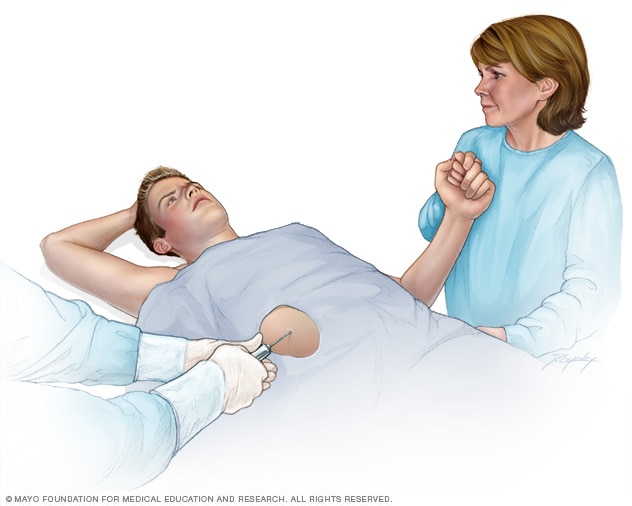
خزعة الكبد
خزعة الكبد يتم فيها استئصال عينة صغيرة من نسيج الكبد لفحصها في المختبر، حيث يُدخل الطبيب إبرة رفيعة من خلال الجلد وصولاً إلى الكبد.
العلاج
لعلاج داء ويلسون، قد يوصي الطبيب أولاً بتناول أدوية تُعرف بالعوامل الخالبة النحاسية. تلتصق هذه الأدوية بالنحاس وتحفز الأعضاء لإطلاقه في مجرى الدم، ثم تُنقي الكليتان النحاس وتُخرجانه عبر البول.
يركز العلاج على منع النحاس من التراكم مجددًا. وغالبًا يكون ذلك عبر أدوية الزنك. لكن في حال التضرر الشديد للكبد، قد تتطلب الحالة زراعة كبد.
هل يمكن التعافي من داء ويلسون؟
يساعد العلاج على حماية الجسم من المزيد من الضرر الناتج عن داء ويلسون ويمكن أن يخفف بعض الأعراض. رغم أن التدخلات الدوائية لا توفر علاجًا جذريًا لداء ويلسون، كما أن زراعة الكبد لا يمكنها تصحيح الطفرة الجينية المسببة للمرض، إلا أن الكبد المزروعة (من المتبرع) تكون خالية من هذا الجين المتحور، وهو ما يتيح للجسم استقلاب النحاس والتخلص منه بشكل طبيعي دون الحاجة لمزيد من العلاجات الدوائية. في حال اكتشاف داء ويلسون مبكرًا وعلاجه، يمكن للمصاب أن يعيش حياة طبيعية تمامًا، وأن يحظى بمتوسط عمر متوقع يماثل المعدلات الطبيعية.
الأدوية
يُعد الالتزام بالأدوية الموصوفة لداء ويلسون ضرورةً تستمر مدى الحياة، ولا يمكن التوقف عن تناولها إلا في حال الخضوع لعملية زراعة الكبد.
العوامل الخالبة للتخلص من النحاس
غالبًا تُستخدم الأدوية التالية كعلاج أولي لخفض مستوى النحاس بسرعة:
- البنسيلامين (Cuprimine وDepen). يُستخدم بنسيلامين، يُشار إليه في بعض الأحيان باسم دي-بنسيلامين، للتخلص من النحاس الزائد في الجسم، ويمكن أن يُسبب آثارًا جانبية خطيرة، تشمل مشكلات في الجلد والكلى، وقد يؤدي أيضًا إلى ظهور أعراض عصبية أو تفاقمها، خاصة لدى الأشخاص المصابين بأعراض عصبية موجودة بالفعل. قد يقلل هذا الدواء أيضًا قدرة نخاع العظم على إنتاج كمية كافية من خلايا الدم الحمراء والصفائح الدموية. ومن ثَمَّ يُنصح باستخدام البنسيلامين بحرص إذا كنت مصابًا بحساسية البنسلين. ونظرًا إلى تأثيره المثبط لمفعول فيتامين B6، المعروف أيضًا باسم بيريدوكسين، ستحتاج أيضًا إلى تناوُل جرعات صغيرة من مكمّل غذائي يحتوي على فيتامين B6.
- التيرنيتين (Cuvrior وSyprine). يُستخدم للتخلص من النحاس الزائد في الجسم، ويعمل بشكل مماثل للبنسيلامين، لكنه عادةً يُسبب آثارًا جانبية أقل. ومع ذلك، يمكن أن تتفاقم الأعراض العصبية بعد تناوله.
المعالَجة بالزنك لمنع امتصاص النحاس
يمنع أسيتات الزنك (Galzin) امتصاص الجسم للنحاس الموجود في الطعام. ويُستخدم بوصفه معالَجة للمداومة تهدف إلى منع تراكم النحاس مجددًا بعد العلاج الأولي باستخدام البنسيلامين أو التراينتين. ويمكن استخدامه بوصفه علاجًا أساسيًا في حال عدم تحمل البنسيلامين أو التراينتين أو في حال عدم ظهور أي أعراض. من الآثار الجانبية الأكثر شيوعًا لأسيتات الزنك اضطراب المعدة.
وقد يقترح الطبيب أيضًا علاجات للأعراض الأخرى لداء ويلسون.
الجراحة
إذا حدث تضرر شديد في الكبد أدى إلى فشل كبدي، أو إذا لم تنجح الأدوية في علاج هذا التضرر، فقد تحتاج إلى liver transplant. في عملية زراعة الكبد، يستأصل الجراح الكبد المتضررة ويستبدل بها كبد سليمة من متبرِّع.
تأتي معظم الأكباد المزروعة من متبرِّعين متوفين. ويمكن أن تأتي الكبد في بعض الأحيان من متبرِّع حي مثل، أحد أفراد الأسرة. وفي تلك الحالة، يستأصل الجرَّاح الكبد المصابة ويستبدلها بجزء من كبد المتبرِّع.
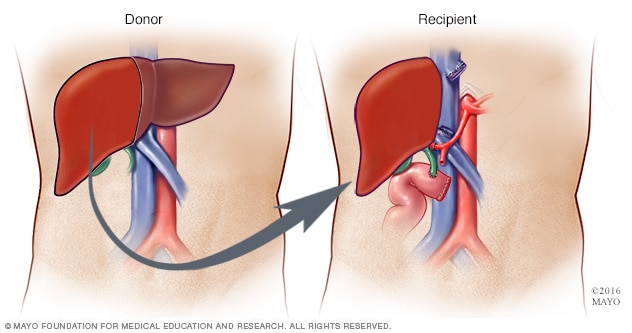
زراعة الكبد من مُتبرِّع حي
أثناء جراحة زراعة الكبد من متبرِّع حي، يزيل الجرّاحون ما يتراوح بين 40% و 70% تقريبًا من كبد المتبرِّع ويزرعونه في جسم المتلقي.
الرعاية الذاتية
للسيطرة على داء ويلسون، يجب الالتزام بخطة علاجية مدى الحياة تهدف إلى التخلص من النحاس الزائد ومنع تراكمه في الجسم، إلى جانب الرعاية الذاتية لضمان عدم تناول كمية كبيرة من النحاس في النظام الغذائي.
إذا طُلب منك تقييد كمية النحاس في نظامك الغذائي، فقد يشمل ذلك النحاس الموجود في الماء والمكملات الغذائية والطعام.
الماء
في حال وجود أنابيب نحاسية في منزلك، يُوصى بفتح صنبور الماء وتركه حتى يصبح باردًا قبل استخدامه للطهي أو الشرب. في حال استخدام مياه الآبار، يُوصى بفحصها للتأكد من خلوها من النحاس أو استخدام مرشح لإزالة العناصر الزهيدة.
المكمّلات الغذائية
تجنَّب تناول الفيتامينات المتعددة أو المكملات الغذائية التي تحتوي على نحاس.
الطعام
إذا كنت مصابًا بداء ويلسون، فاستشِر فريق الرعاية الصحية بشأن كيفية تعديل نظامك الغذائي بما يتوافق مع القيود اللازمة للنظام الغذائي وإرشاداته.
من المحتمل أن يوصي فريق الرعاية الصحية بالحد من تناول الأطعمة الغنية بالنحاس، لكن قد تعتمد الكمية المسموح بها على مرحلة العلاج التي تمر بها، إضافة إلى عوامل صحية شخصية أخرى. على سبيل المثال، قد يُحدد لك في البداية حد أقصى من الأطعمة الغنية بالنحاس قدره 1 ميليغرام (ملغم) يوميًا. في وقت لاحق، في خطة المداومة، قد يُسمح لك بتناول كمية معتدلة من تلك الأطعمة، مثل 2 ملغم أو أقل يوميًا.
الأطعمة الغنية بالنحاس
إذا كنت مصابًا بداء ويلسون، فقد يُطلب منك تجنب أو الحد من تناول الأطعمة التالية:
- الكبد والأحشاء الأخرى.
- الأسماك القشرية والروبيان.
- لحم الضأن.
- لحم الإوز والبط والسمان.
- التوفو وبروتين الصويا وحليب الصويا.
- الفاصوليا المجففة.
- فطر عيش الغراب.
- البطاطا الحلوة وأنواع البطاطا الأخرى غير المقشرة.
- الفواكه المجففة.
- دقيق الصويا وحبوب النخالة وحبوب الذرة.
- المكسرات والبذور.
- الشوكولاتة.
- المياه المعدنية.
الأطعمة التي تحتوي على كميات قليلة من النحاس
إذا كنت مصابًا بداء ويلسون، فقد يوصي فريق الرعاية الصحية بالإكثار من تناول الأطعمة التالية وإدراجها بشكل أساسي في نظامك الغذائي:
- اللحم الأبيض مثل الدجاج والديك الرومي.
- سمك القد والإسقلوب والهلبوت والتونة والسلمون المرقط.
- البيض والزبدة والسمن النباتي.
- الجبن والجبن القريش والقشدة الحامضة.
- حليب اللوز وحليب الأبقار واللبن (الرائب) بشرط ألا يكون منكهًا بالشوكولاتة.
- كرنب بروكسل والبروكلي والملفوف.
- القرنبيط والسبانخ والفلفل الأخضر.
- البصل.
- فطر الشيتاكي وفطر الإينوكي.
- التفاح والتوت الأزرق والكرز والبرقوق والشمام والفراولة والبطيخ.
- القهوة والمشروبات الغازية.
تحتوي بعض الأطعمة الصحية على مستوى متوسط من النحاس وقد يُسمح بتناولها بكميات صغيرة. استشِر فريق الرعاية الصحية بشأن الإرشادات الغذائية المناسبة لحالتك.
ومن الطبيعي أن تراودك بعض التساؤلات أو المخاوف بشأن القدرة على ممارسة حياة طبيعية في ظل التعايش مع داء ويلسون، إذ قد يبدو الالتزام بتناول أدوية مدى الحياة وتعلم عادات غذائية جديدة أمرًا صعبًا في بادئ الأمر. لذلك امنح نفسك وقتًا كافيًا للتكيف، ولا تتردد في مشاركة مخاوفك مع فريق الرعاية الصحية. ومما قد يبعث على الطمأنينة أن معظم المصابين بداء ويلسون ينعمون بحياة صحية ومستقرة، شريطة التشخيص المبكر، والالتزام بالعلاج الطبي المناسب، واتباع سبل الرعاية الذاتية.
الاستعداد للموعد الطبي
من المحتمل أن تلتقي أولاً اختصاصي الرعاية الصحية الأولية. وبعد ذلك، قد تُحال إلى طبيب الكبد.
الخطوات التي يمكنك اتخاذها
عند حجز الموعد الطبي، يُنصح بالاستفسار عن أي تدابير احترازية يجب اتخاذها، كإجراء تعديلات معينة في النظام الغذائي قبل إجراء اختبارات الدم.
وقد يكون من المفيد تحضير قائمة بما يلي:
- الأعراض التي تشعر بها وتوقيت بدء ظهورها.
- المعلومات الشخصية المهمة، بما فيها أسباب التوتر الشديد والحالات الصحية الأخرى وأي سيرة مرَضية للعائلة مرتبطة بالإصابة بداء ويلسون.
- كل الأدوية، أو الفيتامينات أو المكملات الغذائية التي تتناولها، مع ذكر الجرعات.
- الأسئلة التي تريد طرحها على الطبيب.
اصطحب معك شخصًا، إذا أمكن، لمساعدتك في تذكُّر المعلومات التي تتلقاها.
إذا كنت تعتقد أنك قد تكون مصابًا بداء ويلسون أو شُخصت بذلك، يمكنك طرح أسئلة على الطبيب مثل:
- ما الاختبارات التي أحتاج إلى إجرائها لتأكيد تشخيص الإصابة بداء ويلسون؟
- ما تفاصيل السيرة المرَضية العائلية التي تحتاج إليها؟
- كيف يُعالَج داء ويلسون ويُتابَع على المدى الطويل؟
- ما العلاج الذي تنصح به؟
- ما الآثار الجانبية لهذا العلاج؟
- كيف يمكنني السيطرة على داء ويلسون بأفضل طريقة إلى جانب مشكلاتي الصحية الأخرى؟
- هل سأحتاج إلى الحد من أنواع معينة من الأطعمة التي أتناولها؟
- هل يجب أن أراجع اختصاصيًا؟ وإذا كان ذلك ضروريًا، فما نوع التخصص المطلوب؟
- هل يجب على أشقائي أو أطفالي إجراء اختبار للكشف عن داء ويلسون؟
- ما تخصص الطبيب الذي يجب أن يتوجه إليه أفراد عائلتي؟
- هل هناك منشورات أو مواد مطبوعة أخرى يمكنني الحصول عليها؟ وما المواقع الإلكترونية التي تنصحني بزيارتها؟
احرص على طرح أي استفسار يجول في خاطرك. ونظرًا إلى أن المرض يسري في العائلات، احرص أيضًا على إخبار الطبيب بأي أي شخص في محيط عائلتك شُخصت حالته بإصابة مؤكدة بداء ويلسون، أو لديه أعراض مجهولة السبب تتعلق بالكبد أو الجهاز العصبي أو الصحة العقلية.
ما الذي يمكنك توقعه من الطبيب
قد يطرح عليك الطبيب عدة أسئلة، مثل:
- هل الأعراض مستمرة أم تظهر من حين لآخر؟
- ما هي درجة شدة الأعراض لديك؟
- منذ متى تشعر بهذه الأعراض؟
- ما الذي يؤدي إلى تحسن الأعراض أو تفاقمها، إن وُجد؟
- هل أُصيب أي فرد آخر من أفراد عائلتك بداء ويلسون؟
CON-20310631
لا تؤيد مايو كلينك أي شركات أو منتجات تظهر في الإعلانات. تُستخدَم عائدات الإعلانات لدعم أنشطتنا غير الربحية.
