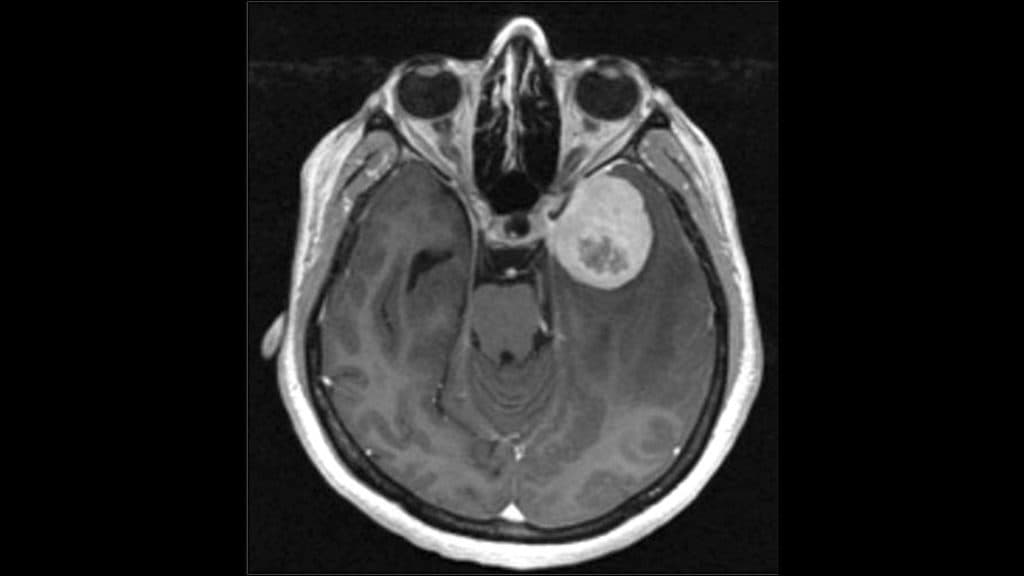
生存率

脑膜瘤的预后取决于其分级、大小和位置。分级反映了细胞的生长速度以及肿瘤复发的可能性。年龄和整体健康状况也会影响长期生存率。

脑膜瘤诊断对预期寿命的影响

许多患者在治疗后可以长期生存。1 级脑膜瘤是良性的。它们生长缓慢,通常可以完全切除。

数据显示,97% 的儿童和年轻成人以及 86% 的老年人在确诊后五年仍存活。确诊十年后,生存率仍然很高,约为 80% 至 97%,具体取决于年龄。

不同肿瘤分级的生存率

WHO 分级 典型表现与预后
1 级 生长缓慢,通常可通过手术治愈;约 90% 的患者在确诊后 5 年仍存活。
2 级 生长较快,复发率较高;约 80% 的患者在确诊后 5 年时仍存活,约 66% 的患者在 10 年时仍存活。
3 级 罕见且更具侵袭性;约 58% 的患者在确诊后 5 年仍存活,其中女性约为 66%,男性约为 47%。

影响生存的因素

脑膜瘤患者的生存受到多种因素影响。有些因素可以通过治疗选择来改善,而有些则取决于肿瘤本身。这些因素可能包括:

  • 肿瘤切除的程度。 完全切除可实现最佳长期控制。如果只能部分切除,放疗有助于防止其复发。
  • 如果肿瘤无法完全切除。 精准放疗和定期 MRI 检查可以控制肿瘤生长,并维持生活质量。
  • 高级别肿瘤放射疗法。 对于 2 级和 3 级肿瘤,术后放疗可以延长生存期并降低复发风险。
  • 肿瘤位置。 位于颅底或视神经附近的肿瘤更难完全切除,且更容易复发。
  • 肿瘤的生物学特性。 生长较快的高级别(2 级或 3 级)肿瘤往往更早复发。
  • 肿瘤部位(脑 vs. 脊柱)。 脊髓脑膜瘤通常为 1 级,术后长期生存率极佳。

复发与随访

约 20% 至 30% 的 2 级脑膜瘤和 70% 至 80% 的 3 级脑膜瘤会在 10 年内复发。定期影像学检查和完全切除肿瘤会降低风险。

随访影像学检查至关重要: 初期每隔几个月进行一次 MRI 检查,之后随着时间的推移逐渐减少检查频率。如果肿瘤复发,再次进行手术或放疗仍然可以延长多年有质量的生存期。

对您来说,这意味着: 大多数脑膜瘤患者,尤其是 1 级脑膜瘤患者,无论是否接受治疗,都能存活多年。级别较高的肿瘤需要更密切的监测,有时还需采用联合治疗。但随着手术和放疗技术的进步,预后也在持续改善。

April 30, 2026

Living with 脑膜瘤?

Connect with others like you for support and answers to your questions in the Brain Tumor support group on Mayo Clinic Connect, a patient community.

Brain Tumor Discussions

Jeep
Pineal Cyst: What symptoms led to your diagnosis?

65 Replies Tue, Jun 30, 2026

khauert
Pituitary tumor symptoms: joint, muscle and body aches

187 Replies Fri, Jun 26, 2026

jstow07
Share Your Brain Tumor type & Years since Diagnosis

105 Replies Mon, Jun 15, 2026

See more discussions
  1. Meningioma diagnosis and treatment. National Cancer Institute. https://www.cancer.gov/rare-brain-spine-tumor/tumors/meningioma. Accessed Nov. 8, 2023.
  2. Ferri FF. Ferri's Clinical Advisor 2024. Elsevier; 2024. https://www.clinicalkey.com. Accessed Nov. 8, 2023.
  3. Meningiomas. American Association of Neurological Surgeons. https://www.aans.org/en/Patients/Neurosurgical-Conditions-and-Treatments/Meningiomas. Accessed Nov. 14, 2021.
  4. Park JK, et al. Management of known or presumed benign (WHO grade I) meningioma. https://www.uptodate.com/contents/search. Accessed Nov. 8, 2023.
  5. Ami TR. Allscripts EPSi. Mayo Clinic. Nov. 14, 2023.
  6. Park JK. Epidemiology, pathology, clinical features, and diagnosis of meningioma. https://www.uptodate.com/contents/search. Accessed Nov. 8, 2023.
  7. Meningioma. American Brain Tumor Association. https://www.abta.org/tumor_types/meningioma/. Accessed Nov. 14, 2021.
  8. Apra C, et al. Current treatment options for meningioma. Expert Review of Neurotherapeutics. 2018; doi:10.1080/14737175.2018.1429920.
  9. Chronic pain: In depth. National Center for Complementary and Alternative Medicine. https://www.nccih.nih.gov/health/chronic-pain-in-depth. Accessed Nov. 14, 2021.
  10. Meningioma of the brain and other nervous system, 5-year relative survival rates, 2015-2021. Surveillance, Epidemiology, and End Results Program. https://seer.cancer.gov/statistics-network/explorer/. Accessed Nov. 20, 2025.
  11. Kent CL, et al. Long-term outcomes for patients with atypical or malignant meningiomas treated with or without radiation therapy: A 25-year retrospective analysis of a single-institution experience. Advances in Radiation Oncology. 2022; doi:10.1016/j.adro.2021.100878.
  12. Jahanbakhshi A, et al. Radiosurgery in grade II and III meningiomas: A systematic review and meta-analysis. Journal of Personalized Medicine. 2024; doi:10.3390/jpm14080802.
  13. Ostrom QT, et al. CBTRUS statistical report: Primary brain and other central nervous system tumors diagnosed in the United States, 2016-2020. Neuro-Oncology. 2023; doi:10.1093/neuonc/noad121.
CON-20251937