Amyotrophic lateral sclerosis (ALS) Symptoms and causes
Overview
Amyotrophic lateral sclerosis (a-my-o-TROE-fik LAT-ur-ul skluh-ROE-sis) is a nervous system disease that affects nerve cells in the brain and spinal cord. Also known as ALS, the disease leads to muscle weakness and other symptoms that get worse over time.
ALS often begins with muscle twitching and weakness in an arm or leg, trouble swallowing, or slurred speech. Eventually ALS affects the muscles needed to move, speak, eat and breathe. There is no cure for this fatal disease, but research into new therapies is ongoing.
ALS is often called Lou Gehrig's disease after the baseball player who was diagnosed with it. The exact cause is still not known in most people. In a small percentage of people, ALS is inherited from a parent.
Symptoms
Symptoms of amyotrophic lateral sclerosis (ALS) vary from person to person and worsen over time. They depend on which nerve cells are affected. ALS generally begins with muscle weakness that spreads and gets worse over time.
Early symptoms of ALS
ALS often begins with mild symptoms that may be hard to notice at first. Early symptoms may include:
- Trouble walking or doing usual daily activities.
- Tripping and falling.
- Weakness in the legs, feet or ankles.
- Hand weakness or clumsiness.
- Slurred speech or trouble swallowing.
- Muscle cramps and twitching, along with weakness in the arms, shoulders or tongue.
- Crying, laughing or yawning at inappropriate times.
- Changes in thinking or behavior.
ALS often starts in the hands, feet, arms or legs. Then it spreads to other parts of the body. Muscles get weaker as more nerve cells die. This eventually affects chewing, swallowing, speaking and breathing, and can lead to serious complications over time.
There's generally no pain in the early stages of ALS, and pain is not common in the later stages. ALS doesn't usually affect bladder function or the senses, such as taste, smell, touch and hearing.
Causes
The cause of ALS is not known in most people. A genetic cause is found in about 10% of people with amyotrophic lateral sclerosis (ALS).
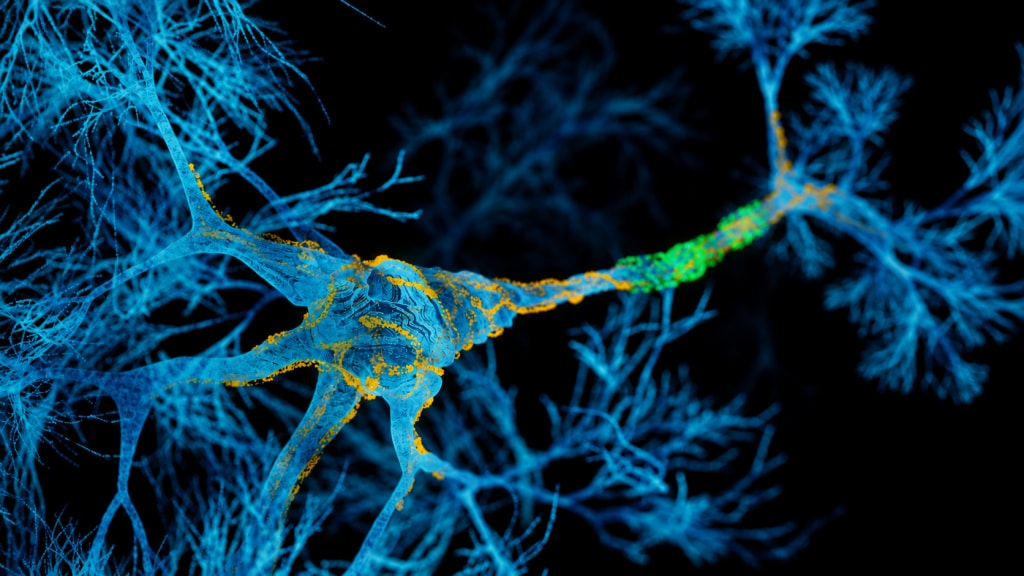
ALS affects the nerve cells that allow voluntary muscle movements such as walking and talking. These nerve cells are called motor neurons. One group, called upper motor neurons, extends from the brain to the spinal cord. The second group, called lower motor neurons, extends from the spinal cord to muscles throughout the body.
ALS causes both groups of motor neurons to gradually deteriorate and then die. When motor neurons are damaged, they stop sending messages to the muscles. As a result, the muscles can't function.
Researchers continue to study possible causes of ALS. It may be caused by a mix of genetic and environmental factors.
Risk factors
Risk factors for amyotrophic lateral sclerosis (ALS) include:
- Genetics. For about 10% of people with ALS, a gene linked to the disease is passed down from a family member. This is called hereditary ALS. In most people with hereditary ALS, their children have a 50% chance of inheriting the gene.
- Age. Risk rises with age up to age 75. ALS is most common from age 60 into the mid-80s.
- Sex assigned at birth. ALS is slightly more common in men than in women before age 65. This difference disappears after age 70.
- Smoking. Evidence supports that smoking is an environmental risk factor for ALS. Women who smoke seem to be at even higher risk, particularly after menopause.
- Environmental toxin exposure. Some evidence suggests that exposure to lead or other substances in the workplace or at home might be linked to ALS. Much study has been done, but no single substance has been clearly linked to ALS.
- Military service. Studies indicate that people who have served in the military are at higher risk of ALS. It's not clear what about military service might trigger ALS. It might include exposure to certain metals or chemicals, traumatic injuries, viral infections, or intense exertion.
From Mayo Clinic to your inbox
Sign up for free and stay up to date on research advancements, health tips, current health topics, and expertise on managing health. Click here for an email preview.
Complications
As amyotrophic lateral sclerosis (ALS) progresses, complications may include:
Trouble breathing
Over time, ALS leads to weakness of the muscles used to breathe. People with ALS might need a breathing device, such as a ventilator, to help them breathe at night. This device can be used with a mask that's worn over the nose, the mouth or both. It's similar to what someone with sleep apnea might wear.
Some people with advanced ALS choose to have a tracheostomy. This is a surgically created hole at the front of the neck leading to the windpipe. A ventilator can be used with a tracheostomy instead of a mask.
The most common cause of death for people with ALS is breathing failure. People with ALS often live 3 to 5 years after symptoms begin. However, some people with ALS live 10 years or longer.
Trouble speaking
Most people with ALS have weakness of the muscles used to form speech. This usually starts with slower speech and occasional slurring of words. It then becomes harder to speak clearly. Over time, others may have trouble understanding the speech. At that point, many people use other forms of communication and technology to communicate.
Trouble eating
People with ALS may have weakness of the muscles involved with swallowing. This can lead to malnutrition and dehydration. They also are at higher risk of breathing food, liquids or saliva into the lungs, which can cause pneumonia. A feeding tube can reduce these risks and ensure proper hydration and nutrition.
Dementia
Some people with ALS have trouble with language and decision-making. Some are eventually diagnosed with a form of dementia called frontotemporal dementia.
Prevention
There's no way to prevent ALS. Experts don't know exactly what causes the disease in most people. Researchers are actively studying the genes and other factors related to ALS.



CON-20197161
Mayo Clinic does not endorse companies or products. Advertising revenue supports our not-for-profit mission.
Advertising & Sponsorship
Mayo Clinic Press
Check out these best-sellers and special offers on books and newsletters from Mayo Clinic Press.
