概述

肌萎缩侧索硬化是一种神经系统疾病,可累及脑和脊髓中的神经细胞。该疾病又称 ALS,会导致肌无力,并随时间推移而加重。

ALS 的初始症状通常包括手臂或腿部肌肉抽搐和无力、难以吞咽或言语不清。ALS 最终会影响运动、说话、进食和呼吸所需的肌肉。这种致命性疾病目前尚无治愈方法,但有关新疗法的研究正在进行中。

ALS 通常称为 Lou Gehrig 病,因罹患此病的棒球运动员而得名。该疾病的确切病因尚不清楚。在少数患者中,ALS 遗传自父母一方。

症状

肌萎缩侧索硬化(ALS)的症状因人而异。具体症状取决于哪些神经细胞受到影响。ALS 通常最初表现为肌无力,症状会逐渐扩散并加重。

症状可能包括:

  • 行走或日常活动困难。
  • 绊倒和跌倒。
  • 腿部、足部或脚踝无力。
  • 手部无力或动作笨拙。
  • 言语不清或难以吞咽。
  • 与手臂、肩部和舌头的肌肉痛性痉挛及抽搐相关的无力症状。
  • 不合时宜地哭笑、打呵欠。
  • 思维或行为改变。

ALS 通常始发于手部、足部、手臂或腿部,然后扩散至身体其他部位。随着更多的神经细胞死亡,肌无力症状会逐渐加重。最终影响咀嚼、吞咽、说话和呼吸。

ALS 早期通常没有疼痛,晚期疼痛也不常见。ALS 通常不会影响膀胱功能或味觉、嗅觉、触觉、听觉等感觉功能。

病因

在约 10% 的肌萎缩侧索硬化症(ALS)患者中可发现遗传性病因。其余患者的病因尚不清楚。

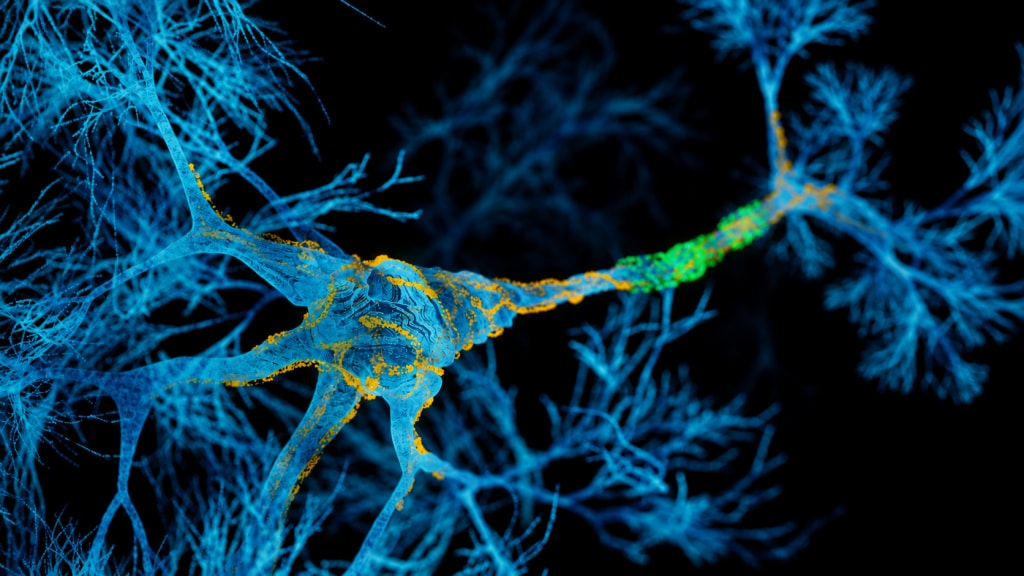
ALS 会影响控制行走和说话等随意肌运动的神经细胞。这些神经细胞被称为运动神经元。一类运动神经元从脑部延伸到​​脊髓,再到全身肌肉。它们被称为上运动神经元。另一类从脊髓延伸到全身肌肉。它们被称为下运动神经元。

ALS 会导致两类运动神经元逐渐退化,最后死亡。运动神经元受损后,会停止向肌肉发送信息。结果导致肌肉无法发挥正常功能。

研究人员会继续研究 ALS 的可能病因。大多数理论主要关注基因和环境因素之间复杂的相互作用。

风险因素

肌萎缩侧索硬化(ALS)的既定风险因素包括:

  • 遗传因素。 大约 10% 的 ALS 患者是从家庭成员处遗传了导致疾病的基因。这称为遗传性 ALS。对于大多数遗传性 ALS 患者,其子女有 50% 的几率遗传这一基因。
  • 年龄。 在 75 岁之前,患病风险随着年龄的增长而增加。ALS 最常见于 60 岁至 85 岁上下的人群。
  • 出生指定性别。 在 65 岁之前,男性 ALS 患者人数略多于女性患者。这一性别差异在 70 岁之后消失。

某些环境因素会导致 ALS 风险增加,例如:

  • 抽烟。 有证据表明抽烟是 ALS 的环境风险因素。对于女性,尤其是绝经后女性,抽烟似乎会明显增加患病风险。
  • 接触环境中的毒素。 某些证据表明,ALS 可能与在工作场所或家中接触到铅或其他物质有关。尽管进行了很多研究,但未发现试剂或化学物质与 ALS 持续相关。
  • 服军役。 研究表明,曾在军队服役的军人患上 ALS 的风险更高。尚不清楚服军役时的哪些因素可能诱发 ALS。这些因素可能包括接触某些金属或化学物质、外伤、病毒感染或剧烈活动。

并发症

随着疾病进展,肌萎缩侧索硬化症(ALS)会引发一些并发症,可能包括:

呼吸困难

随时间推移,ALS 会导致用于呼吸的肌肉无力。ALS 患者可能需要面罩呼吸机等仪器来帮助他们在夜间呼吸。这种仪器类似于睡眠呼吸暂停患者所佩戴的仪器。这种仪器通过戴在患者鼻、口部或同时罩住口鼻的面罩,辅助患者呼吸。

一些晚期 ALS 患者选择进行气管造口,即通过手术在颈前造一个通向气管的开口。呼吸机经气管造口使用的效果可能优于面罩。

ALS 患者的最常见死因是呼吸衰竭。ALS 患者平均在症状出现后 3 至 5 年内死亡。但是,有些 ALS 患者的存活时间达到 10 年甚至更长。

说话困难

大多数 ALS 患者用于说话的肌肉会出现无力。最初通常表现为语速变慢,以及偶尔的言语含糊不清。清晰说话会变得越来越难。可能进展到其他人无法理解其言语的程度。需要借助其他沟通方式和技术来进行交流。

进食困难

ALS 患者可能出现与吞咽相关的肌肉无力。这可导致营养不良和脱水。患者将食物、液体或唾液吸入肺部的风险也更高,进而引发肺炎。营养管可降低上述风险,保证充足的水分和营养摄入。

痴呆

有些 ALS 患者在语言和决策方面存在问题。有些则最终确诊额颞叶失智症,这是失智症的类型之一。

预防

目前没有预防 ALS 的方法。专家尚不清楚大多数人患上该疾病的确切原因。研究人员正在积极研究与 ALS 相关的基因和其他因素。

June 04, 2026
  1. What is ALS? ALS Association. https://www.als.org/understanding-als/what-is-als. Accessed May 25, 2025.
  2. Ferri FF. Amyotrophic lateral sclerosis. In: Ferri's Clinical Advisor 2025. Elsevier; 2025. https://www.clinicalkey.com. Accessed May 25, 2025.
  3. Elman LB, et al. Clinical features of amyotrophic lateral sclerosis and other forms of motor neuron disease. https://www.uptodate.com/contents/search. Accessed May 25, 2025.
  4. Preston DC, et al. Amyotrophic lateral sclerosis and its variants. In: Electromyography and Neuromuscular Disorders. 4th ed. Elsevier; 2021. https://www.clinicalkey.com. Accessed May 25, 2025.
  5. Elman LB, et al. Diagnosis of amyotrophic lateral sclerosis and other forms of motor neuron disease. https://www.uptodate.com/contents/search. Accessed May 25, 2025.
  6. Goldman L, et al., eds. Amyotrophic lateral sclerosis and other motor neuron diseases. In: Goldman-Cecil Medicine. 27th ed. Elsevier; 2024. https://www.clinicalkey.com. Accessed May 25, 2025.
  7. Amyotrophic lateral sclerosis (ALS). National Institute of Neurological Disorders and Stroke. https://www.ninds.nih.gov/health-information/disorders/amyotrophic-lateral-sclerosis-als#. Accessed May 25, 2025.
  8. ALS risk factors. ALS Association. https://www.als.org/research/research-we-fund/scientific-focus-areas/environmental-factors. Accessed May 25, 2025.
  9. After the ALS diagnosis: Coping with the 'new normal.' ALS Association. http://www.alsa.org/als-care/resources/publications-videos/resource-guides/. Accessed May 25, 2025.
  10. Nimmagadda R. Allscripts EPSi. Mayo Clinic. May 20, 2025.
  11. Dharmadasa T, et al. Genetic testing in motor neuron disease. Practical Neurology. 2022; doi:10.1136/practneurol-2021-002989.
  12. Mehta P, et al. Prevalence of amyotrophic lateral sclerosis in the United States using established and novel methodologies, 2017. Amyotrophic Lateral Sclerosis & Frontotemporal Degeneration. 2023; doi:10.1080/21678421.2022.2059380.
  13. ALS certified centers and clinics. ALS Association. https://www.als.org/local-support/certified-centers-clinics?search_api_fulltext=Mayo+Clinic. Accessed June 7, 2025.
  14. Yamakawa M, et al. Demographics, clinical characteristics and prognostic factors of amyotrophic lateral sclerosis in Midwest. Muscle & Nerve. 2022; doi:10.1002/mus.27450.
  15. Goyal NA, et al. Disease-modifying treatment of amyotrophic lateral sclerosis. https://www.uptodate.com/contents/search. Accessed May 31, 2025.
  16. Ilieva H, et al. Advances in molecular pathology, diagnosis and treatment of amyotrophic lateral sclerosis. BMJ. 2023; doi:10.1136/bmj-2023-075037.
  17. Barry RL, et al. Ultra-high field (7T) functional magnetic resonance imaging in amyotrophic lateral sclerosis: A pilot study. NeuroImage Clinical. 2021; doi:10.1016/j.nicl.2021.102648.
  18. Dorst J, et al. Clinical studies in amyotrophic lateral sclerosis. Current Opinion in Neurology. 2022; doi:10.1097/WCO.0000000000001099.
  19. Van Blitterswijk M, et al. How do C9ORF72 repeat expansions cause amyotrophic lateral sclerosis and frontotemporal dementia: Can we learn from other noncoding repeat expansion disorders? Current Opinion in Neurology. 2012; doi:10.1097/WCO.0b013e32835a3efb.
  20. Joining the National ALS Registry. Centers for Disease Control and Prevention. https://www.cdc.gov/als/join/index.html. Accessed June 7, 2025.
  21. Stages of ALS. ALS Association. https://www.als.org/understanding-als/stages. Accessed June 8, 2025.
  22. Jankovic J, et al., eds. Disorders of upper and lower motor neurons. In: Bradley and Daroff's Neurology in Clinical Practice. 8th ed. Elsevier; 2022. https://www.clinicalkey.com. Accessed June 8, 2025.