If you're being treated for cancer, you might wonder how it could affect your ability to have children someday. You may have questions about fertility preservation. Fertility preservation means taking steps to keep your reproductive organs as healthy as possible during cancer treatment. There are safe and effective ways to protect fertility before treatment starts.
Find out how cancer treatment can affect your ability to have a child, as well as what fertility preservation steps you can take before you begin cancer treatment.
How does cancer treatment affect fertility?
Certain cancer treatments can harm fertility. The effects might be temporary or permanent. The risk that treatment affects fertility depends on the type and stage of cancer. It also depends on the type of treatment and your age at the time of treatment.
Cancer treatments and their effects might include:
- Surgery. The surgical removal of tumors or tissue can harm fertility. It also may be harmed by the removal of the testicles, uterus or ovaries. When surgery is done close to the reproductive organs, it can sometimes lessen the amount of blood that reaches those organs. If they don't get enough blood, they may not work as well. This can make it harder to get pregnant in the future.
- Chemotherapy. The effects depend on the drug and the dose. Some of the medicines used for chemotherapy to target cancer cells also can harm reproductive cells. They may cause lower sperm count or damage to egg cells. Younger women who receive chemotherapy are less likely to become infertile than are older women.
- Radiation. To protect fertility, healthcare professionals carefully plan radiation treatments, especially when treating areas near the pelvis or the brain. Radiation treatments to these areas can affect the organs and hormones involved in having children.
- Hormone therapy. Some hormone therapies used to treat certain cancers, such as breast and prostate cancers, may interfere with the reproductive system. Some hormone treatments may stop the ovaries from working or delay pregnancy for years. Other hormone treatments may lower sperm count and lessen interest in sex. Some effects of hormone therapy may be reversible.
- Stem cell transplant. Hematopoietic stem cell transplantation (HSCT) often requires high doses of chemotherapy or radiation, which can harm reproductive organs. There is a high risk of infertility.
When should I talk to my care team about fertility preservation?
If you are planning cancer treatment and want to preserve your fertility, talk to your healthcare professional and a fertility specialist as soon as possible. A fertility specialist can help you understand your options, answer questions and serve as your fertility advocate during your treatment.
A single cancer therapy session can damage your fertility. Ask if you need to delay cancer treatment to take fertility preservation steps and, if so, how this might affect your cancer.
How can I preserve fertility before cancer treatment?
There are several options for fertility preservation before you start cancer treatment. For example:
- Embryo cryopreservation. This procedure involves harvesting eggs, fertilizing the eggs with sperm and freezing the embryos to be implanted later. This is most often used by couples who wish to preserve their fertility together. Or people who have selected a sperm donor. Research shows that embryos can survive the freezing and thawing process with a success rate of up to 95%. This procedure takes several weeks to complete.
- Egg cryopreservation. In this procedure, also called oocyte cryopreservation, unfertilized eggs are harvested and then frozen. Oocyte cryopreservation is most often used by people who haven't identified a partner or sperm donor. It also may be used by those who have concerns about creating excess embryos. Eggs don't survive freezing as well as embryos. Eggs can survive the freezing and thawing process with a success rate of up to 85%. This procedure takes several weeks to complete.
- Sperm cryopreservation. This procedure involves freezing and storing sperm at a fertility clinic or sperm bank for use at a later date. Samples are frozen and can be stored for decades.
- Radiation shielding. In this procedure, small lead shields are placed over the testicles or ovaries to reduce radiation exposure. This procedure cannot be done if radiation is needed on both testicles or the ovaries.
- Ovarian transposition. During this procedure, also called oophoropexy, the ovaries are surgically moved to another place in the pelvis so they're out of the radiation field. But radiation may reflect or bounce off another surface and change direction. This is called scatter radiation. When this happens, the ovaries may not always be protected. After treatment, you might need to have your ovaries moved again to conceive.
- Fertility-sparing cancer surgery. There are several forms of fertility-sparing cancer surgeries depending on the type and stage of cancer. These surgeries aim to treat the cancer and limit harm to the uterus, ovaries or other reproductive organs so that future pregnancy may still be possible.
- Ovarian suppression. Medicines may be used to temporarily block hormones and stop the ovaries from working. This means fewer ovaries are harmed during cancer treatment. Hormone suppression should ideally be used with other fertility preservation methods.
- Ovarian tissue cryopreservation. During this procedure, ovarian tissue is surgically removed, frozen, and later thawed and reimplanted.
What can parents do to preserve the fertility of a child who has cancer?
Fertility preservation should be discussed with children treated for cancer as soon as they are old enough to understand. Parents or guardians must give consent for a child who is not yet 18 years old. If the child is old enough to understand, the child must agree to the procedure too.
Talk with your child's care team about the best procedures to preserve your child's fertility. Depending on your child's age, you may want your child to lead or be part of the conversations.
The options available for your child's fertility preservation may depend on age, sex and treatment timeline. Treatments may have both short-term and long-term effects on reproductive health.
For children who have gone through puberty, procedures may be similar to adult procedures:
- Egg or embryo cryopreservation. Eggs are collected from the ovaries and frozen. Or embryos, which are eggs that are fertilized with sperm, are frozen.
- Sperm cryopreservation. Sperm is collected and frozen. You might hear this procedure referred to as sperm banking.
- Ovarian suppression. Medicine is used to temporarily stop the work that the ovaries do and protect eggs during chemotherapy.
- Ovarian tissue cryopreservation. During this procedure, ovarian tissue is surgically removed, frozen, and later thawed and reimplanted.
For children who haven't gone through puberty, there are fewer options. Ovarian tissue cryopreservation is one possibility. Another is testicular tissue cryopreservation, where tissue from the testicles is removed and frozen. This procedure is still experimental, and research is ongoing.
Can fertility preservation get in the way of a successful cancer treatment or increase the risk of cancer coming back?
There's no evidence that current fertility preservation methods get in the way of how well cancer treatments work. But if you wait too long to start cancer treatment because you want to save your fertility, it might hurt your chances of successfully treating the cancer.
There appears to be no increased risk that cancer will come back, called recurring cancer, associated with most fertility preservation methods. But with tissue cryopreservation, there's a concern that reimplanting frozen tissue could reintroduce cancer cells. This depends on the type, location and stage of cancer.
What happens after cancer treatment is complete?
If your cancer goes into remission, your healthcare professional may suggest waiting 2 to 5 years after completing cancer treatments before having a baby. This is because cancer is more likely to come back in the first few years, which could mean you need more treatment. Waiting also gives the ovaries and sperm a chance to recover after treatment.
Waiting is especially important if you've had breast cancer. Some hormones that increase during pregnancy may cause breast cancer cells to grow.
But if you have cancer treatment that affects your heart or lungs, or if you have radiation in your pelvic area, talk with a specialist before becoming pregnant. A specialist can help you prepare for possible pregnancy complications.
Children conceived after cancer treatments typically do not have a higher risk of health issues.
Tell your healthcare professional if you or your child has had cancer treatments in the past. Your child does not have a higher risk of cancer because you've had cancer. But if cancer is hereditary in your family, the gene may be passed on to your child.
How do I know which fertility preservation option is best for me?
Your care team will help you sort out the options. They will consider the type of cancer you have, your treatment plan and how much time you have before treatment begins to help you figure out what approach feels right for you.
If you're concerned about how cancer treatment might affect your fertility, know that you have options. Don't wait to learn what they are. Ask your care team to help you. Knowing about fertility preservation methods before you begin cancer treatment can help you make an informed choice.
See also
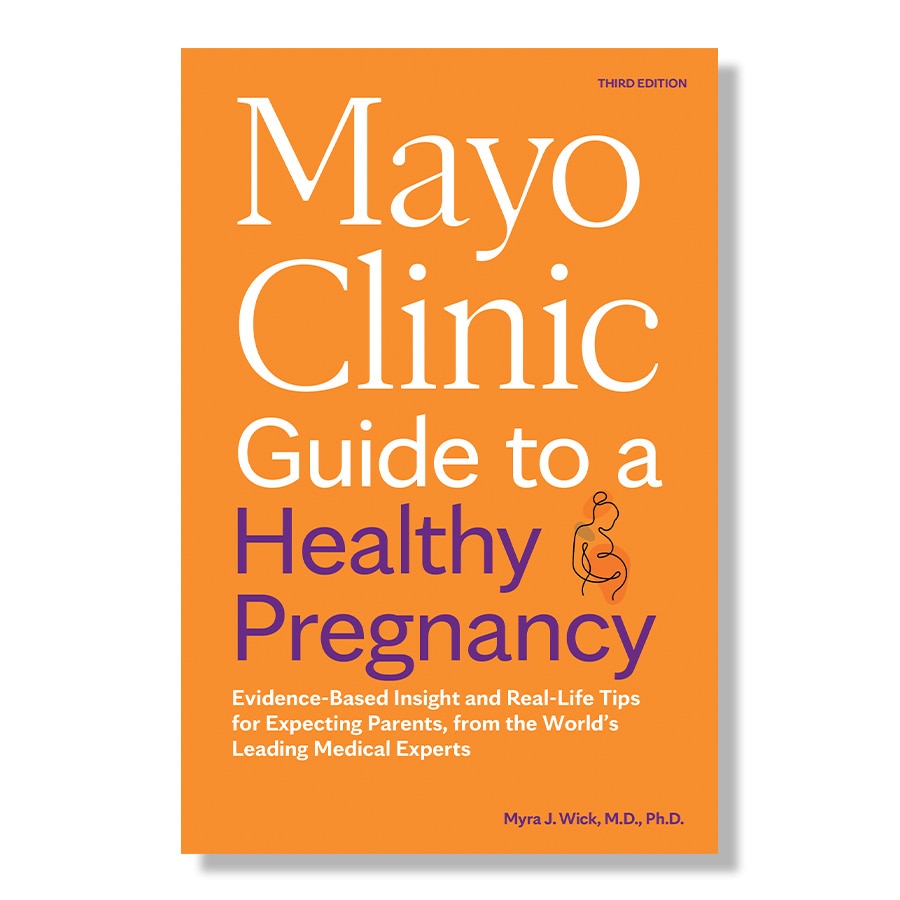
Mayo Clinic's Ultimate Guide to Pregnancy
This guide offers research-backed advice to help you and your baby experience a healthy pregnancy, written by some of the world's leading medical experts.
