Esophagitis Doctors and departments
Mayo Clinic has one of the largest and most experienced practices in the United States, with campuses in Arizona, Florida and Minnesota. Staff skilled in dozens of specialties work together to ensure quality care and successful recovery.
Doctors who treat this condition
Showing 1-6 of 6
Filter By



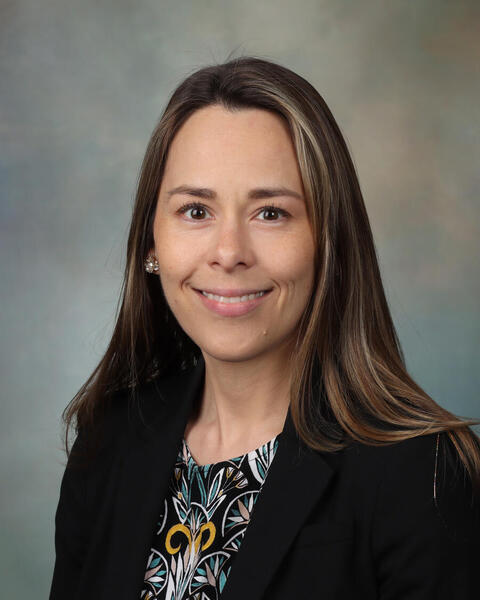
- Phoenix, AZ
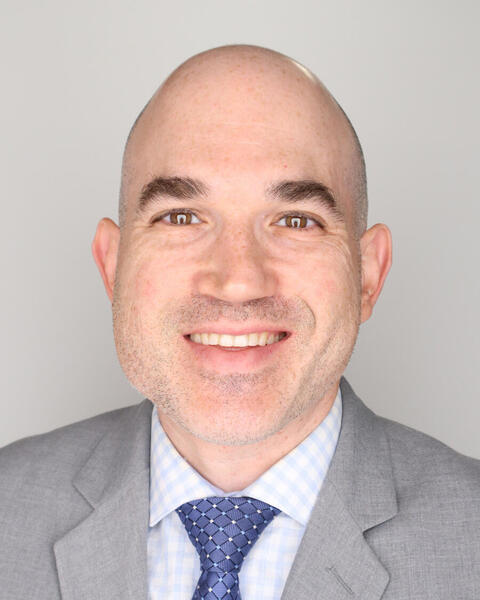

Research
Mayo Clinic specialists are actively involved in research on new treatments for esophagitis. You may have access to experimental treatments for eosinophilic esophagitis not available elsewhere, such as Cytosponge to monitor treatment results. Researchers also are studying ways to improve diagnosis and treatment of Barrett esophagus, including minimally invasive treatments.
Barrett esophagus
Researchers are investigating novel imaging techniques to detect early cancer changes in Barrett esophagus and advanced endoscopy to treat Barrett esophagus and early cancers. They also are researching medicines that can lower cancer risk and genetic factors that may be related to Barrett esophagus.
Eosinophilic esophagitis
Mayo Clinic is a leader in eosinophilic esophagitis research and actively researches eosinophilic disorders. Mayo researchers have tested the effects of many medicines on treatment, including steroids, asthma medicines and acid-blocking medicines.
Clinical trials are underway to study long-term management and remission of eosinophilic esophagitis. Mayo Clinic researchers also are studying the use of a device called the Cytosponge as a replacement for endoscopy to monitor ongoing treatment for eosinophilic esophagitis.
The Cytosponge is a small sponge inside a capsule attached to a string. You swallow the capsule, which dissolves. Then the doctor pulls out the sponge, scraping cells off your esophagus. It's quick, inexpensive, minimally invasive and does not require anesthesia.
The Allergic Diseases Research Laboratory at Mayo Clinic's campus in Rochester, Minnesota, investigates the processes by which common airway and skin diseases happen. The lab focuses on and studies types of immune cells (white blood cells), especially eosinophils. Laboratories in the areas of clinical immunology and immunotherapeutics, immunology, and gastroenterology and hepatology also are involved in research on eosinophilic disorders.
Publications
See a list of publications by Mayo Clinic doctors on esophagitis disease on PubMed, a service of the National Library of Medicine.
Research profiles
Showing 1-10 of 17
Filter By










Get the latest health information from Mayo Clinic delivered to your inbox.
CON-20312402
