Primary biliary cholangitis (PBC) Doctors and departments
Mayo Clinic has one of the largest and most experienced practices in the United States, with campuses in Arizona, Florida and Minnesota. Staff skilled in dozens of specialties work together to ensure quality care and successful recovery.
Doctors who treat this condition
Showing 1-10 of 20
Filter By

Research
Mayo Clinic has been conducting research on primary biliary cholangitis for more than 40 years, and many treatments for the disease have been studied at Mayo Clinic. Mayo Clinic was one of the first centers to study ursodeoxycholic acid (UDCA) as a treatment option. Researchers are currently studying new medications — including applying a combination of therapies — for people with only a partial response to UDCA.
The Mayo Clinic research team has made many contributions to understanding the genetics of primary biliary cholangitis. They've helped find several gene variations that seem to make people more likely to develop the disease. Their discoveries are the first step toward developing targeted treatments and potentially curing the disease.
Also, researchers at Mayo Clinic have found that first-degree relatives — parents, siblings or children — of people with primary biliary cholangitis are more likely to have a protein in their blood that indicates the presence of the disease. Doctors call this a biomarker. The finding suggests that a simple blood test could help doctors detect the disease early in first-degree relatives so that treatment can begin before it causes irreversible liver damage.
Basic research related to primary biliary cholangitis and other liver diseases is conducted in the following Mayo Clinic laboratories:
- Cholangiopathies Laboratory
- Genomic and Exposomic Hepatobiology Laboratory
- Liver Pathobiology Laboratory
Publications
See a list of publications about primary biliary cholangitis by Mayo Clinic doctors on PubMed, a service of the National Library of Medicine.
Research profiles
Showing 1-6 of 6
Filter By

M.D.
Professor of Biochemistry and Molecular Biology, Professor of Medicine
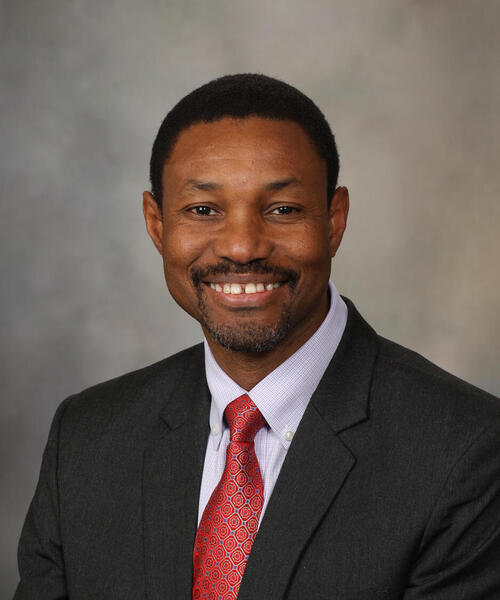

M.D.
Assistant Professor of Epidemiology, Professor of Biomedical Informatics
Top ranked in the U.S.
Mayo Clinic in Rochester, Minnesota, has been recognized as the best Gastroenterology & GI Surgery hospital in the nation by U.S. News & World Report.
CON-20376853
