Peripheral neuropathy Diagnosis and treatment
Diagnosis
Peripheral neuropathy has many possible causes. Besides a physical exam, which may include blood tests, diagnosis usually requires:
- A detailed medical history. Your healthcare professional looks at your medical history. This history includes your symptoms, lifestyle, exposure to toxins, drinking habits, and any family history of nervous system or neurological diseases.
- Neurological exam. Your healthcare professional might check your tendon reflexes, muscle strength and tone, ability to feel certain sensations, and balance and coordination.
Tests
Your healthcare professional may order tests, including:
- Blood tests. These can detect low levels of vitamins, diabetes, signs of inflammation or metabolic issues that can cause peripheral neuropathy.
- Imaging tests. CT or MRI scans can look for herniated disks, pinched nerves, also called compressed nerves, growths or other conditions affecting the blood vessels and bones.
-
Nerve function tests. Electromyography (EMG) measures and records electrical activity in your muscles to find nerve damage. A thin needle (electrode) is inserted into the muscle to measure electrical activity as you contract the muscle.
During EMG, you also typically have a nerve conduction study. Flat electrodes are placed on the skin and a low electric current stimulates the nerves. Your healthcare professional records how the nerves respond to the electric current.
- Other nerve function tests. These might include an autonomic reflex screen. This test records how the autonomic nerve fibers work. Other tests can include a sweat test that measures your body's ability to sweat and a sensory test that records how you feel touch, vibration, cooling and heat.
- Nerve biopsy. This involves removing a small portion of a nerve, usually a sensory nerve, to try to find the cause of the neuropathy.
- Skin biopsy. Your healthcare professional removes a small portion of skin to check the number of nerve endings.
Treatment
Treatment goals are to manage the condition causing your neuropathy and to improve symptoms. If your lab tests do not find a condition causing the neuropathy, your healthcare professional might recommend watchful waiting to see if your neuropathy stays the same or gets better.
Medicines
Medicines can be used to treat conditions associated with peripheral neuropathy. There also are medicines used to improve peripheral neuropathy symptoms. These medicines include:
- Pain relievers. Medicines available without a prescription, such as nonsteroidal anti-inflammatory drugs, can improve mild symptoms.
- Antiseizure medicines. Medicines such as gabapentin (Gralise, Neurontin, Horizant) and pregabalin (Lyrica), developed to treat epilepsy, often improve nerve pain. Side effects can include drowsiness and dizziness.
-
Topical treatments. Lidocaine cream, which you can get without a prescription, can be applied to the skin.
Lidocaine patches are another treatment you apply to the skin to improve pain. Side effects can include drowsiness, dizziness and numbness at the site of the patch.
-
Antidepressants. Certain tricyclic antidepressants, such as amitriptyline and nortriptyline, can help improve pain. These medicines interfere with chemical processes in the brain and spinal cord that cause you to feel pain.
The serotonin and norepinephrine reuptake inhibitor duloxetine (Cymbalta) and the extended-release antidepressants venlafaxine (Effexor XR) and desvenlafaxine (Pristiq) also might improve peripheral neuropathy pain caused by diabetes.
Side effects of antidepressants may include dry mouth, nausea, drowsiness, dizziness, changes in appetite, weight gain and constipation.
Therapies
Various therapies and procedures might help with the symptoms of peripheral neuropathy.
- Scrambler therapy. This treatment uses electrical impulses to send nonpain messages to the brain. These messages replace the pain messages the nerves send to the brain. The goal is to retrain the brain to think there is no pain.
- Spinal cord stimulation. This type of therapy works through devices put into the body. These devices are called neurostimulators. They send low-level electrical impulses that can block pain signals from reaching the brain.
- Plasma exchange, steroids and intravenous immune globulin. These treatments are often used if inflammation or autoimmune conditions are causing neuropathy with weakness, numbness or loss of balance. These therapies are not used to treat pain alone.
- Physical therapy. Physical therapy can help improve your ability to move if you have muscle weakness or balance issues. You also may need hand or foot braces, a cane, a walker, or a wheelchair.
- Surgery. Neuropathies caused by pressure on nerves, such as from tumors, might require surgery.
Clinical trials
Explore Mayo Clinic studies testing new treatments, interventions and tests as a means to prevent, detect, treat or manage this condition.
Alternative medicine
Some people with peripheral neuropathy try complementary treatments for relief. Researchers haven't studied these techniques as thoroughly as they have most medicines. But the following therapies have shown some promise:
- Acupuncture. Inserting thin needles into various points on your body might lessen peripheral neuropathy symptoms. You might need multiple sessions before you see improvement. Acupuncture is generally considered safe when done by a certified acupuncturist using sterile needles.
- Alpha-lipoic acid. This has been used as a treatment for peripheral neuropathy in Europe for years and there is some evidence that it can be helpful for those with painful diabetic neuropathy. Discuss using alpha-lipoic acid with your healthcare professional because it can affect blood sugar levels. Other side effects can include upset stomach and skin rash.
- Amino acids. Amino acids, such as acetyl-L-carnitine, might benefit people who have undergone chemotherapy and people with diabetes. Side effects might include nausea and vomiting.
Self-care
To help you manage peripheral neuropathy:
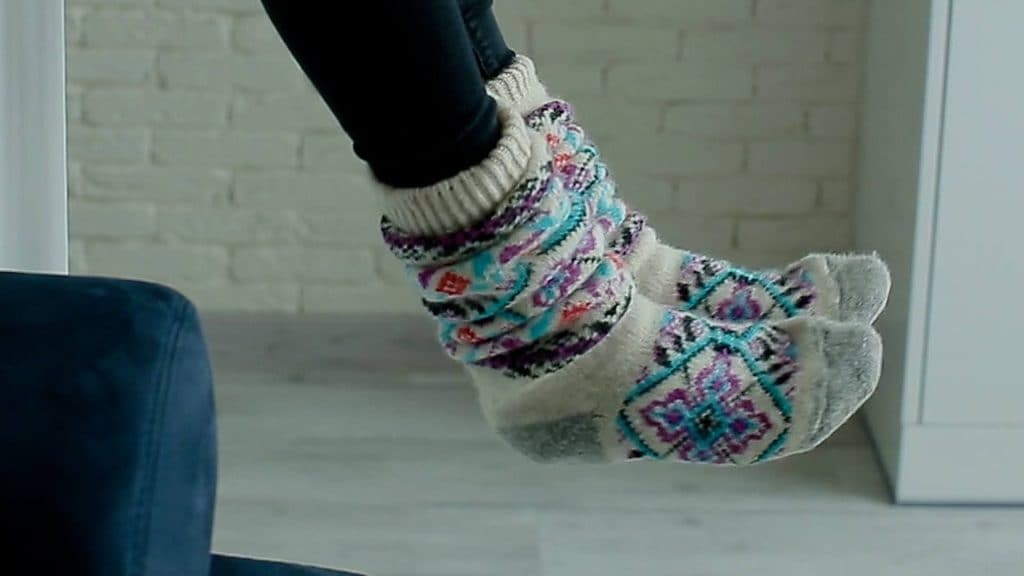
- Take care of your feet, especially if you have diabetes. Check daily for blisters, cuts or calluses. Wear soft, loose cotton socks and padded shoes. You can use a semicircular hoop, which is available in medical supply stores, to keep bedcovers off hot or sensitive feet.
- Exercise. Regular exercise, such as walking three times a week, can lower neuropathy pain, improve muscle strength and help manage blood sugar levels. Gentle routines such as yoga and tai chi also might help. If you have painful neuropathy in your feet, you may want to try pool-based exercise such as swimming.
- Quit smoking. Cigarette smoking can cause problems with circulation. This increases the risk of foot problems and other neuropathy complications.
- Eat healthy meals. Good nutrition is especially important to make sure that you get important vitamins and minerals. Include fruits, vegetables, whole grains and lean protein in your diet.
- Avoid excessive alcohol. Alcohol can make peripheral neuropathy worse.
- Monitor your blood sugar levels. If you have diabetes, this will help manage your blood sugar and might help improve your neuropathy.
From Mayo Clinic to your inbox
Sign up for free and stay up to date on research advancements, health tips, current health topics, and expertise on managing health. Click here for an email preview.
Preparing for your appointment
You're likely to start by seeing your primary healthcare professional. You may then be referred to a doctor trained in nervous system conditions, called a neurologist.
Here's information to help you get ready for your appointment.
What you can do
When you make the appointment, ask if you need to do anything in advance, such as fasting for a specific test. Make a list of:
- Your symptoms, including any that may seem like they're not related to your reason for scheduling the appointment.
- Key personal information, including recent stresses or major life changes, family medical history, and alcohol use.
- All medicines, vitamins and other supplements you take, including doses.
- Questions to ask your healthcare professional.
Take a family member or friend along, if possible, to help you remember the information you get.
For peripheral neuropathy, basic questions to ask your healthcare professional include:
- What's the most likely cause of my symptoms?
- Are there other possible causes?
- What tests do I need?
- Is this condition short-term or long-lasting?
- What are the treatments, and which do you recommend?
- What side effects can I expect from treatment?
- Are there alternatives to the approach you're suggesting?
- I have other health conditions. How can I best manage them together?
- Do I need to limit activities?
- Are there brochures or other printed material I can take with me? What websites do you recommend?
Don't hesitate to ask other questions.
What to expect from your doctor
Your healthcare professional is likely to ask you questions, such as:
- Do you have health conditions, such as diabetes or kidney disease?
- When did your symptoms begin?
- Have your symptoms been continuous or occasional?
- How severe are your symptoms?
- Does anything seem to make your symptoms better?
- What, if anything, appears to worsen your symptoms?
- Does anyone in your family have symptoms similar to yours?
- Have you fallen in the past year?
- Have you had any injuries to your feet?
CON-20166453
Mayo Clinic does not endorse companies or products. Advertising revenue supports our not-for-profit mission.
Advertising & Sponsorship
Mayo Clinic Press
Check out these best-sellers and special offers on books and newsletters from Mayo Clinic Press.
