Liver fibrosis Doctors and departments
Mayo Clinic has one of the largest and most experienced practices in the United States, with campuses in Arizona, Florida and Minnesota. Staff skilled in dozens of specialties work together to ensure quality care and successful recovery.
Research
Mayo Clinic researchers are committed to improving the understanding, diagnosis and management of liver fibrosis. Mayo researchers were among the first to identify metabolic dysfunction-associated steatotic liver disease and primary sclerosing cholangitis, liver conditions that commonly lead to fibrosis.
Mayo Clinic investigators continue to study how liver fibrosis develops, how it progresses, and how it may be slowed or reversed when detected early. Ongoing research focuses on improving noninvasive testing, identifying people at higher risk for progression and developing new approaches to prevent fibrosis from advancing to cirrhosis.
Publications
See a list of publications about liver fibrosis by Mayo Clinic doctors on PubMed, a service of the National Library of Medicine.
Research profiles
Showing 1-9 of 9
Filter By




Ph.D.
Assistant Professor of Biochemistry and Molecular Biology, Assistant Professor of Medicine
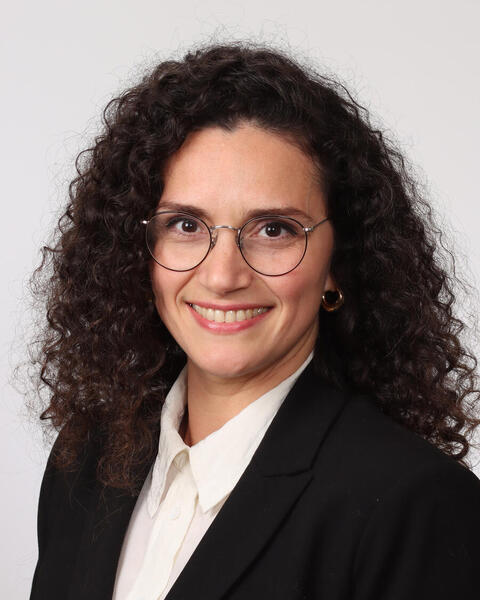
Ph.D., M.S.
Assistant Professor of Biochemistry and Molecular Biology, Assistant Professor of Medicine




CON-20594543
