Hilar cholangiocarcinoma Doctors and departments
Mayo Clinic has one of the largest and most experienced practices in the United States, with campuses in Arizona, Florida and Minnesota. Staff skilled in dozens of specialties work together to ensure quality care and successful recovery.
Doctors who treat this condition
Showing 1-6 of 6
Filter By

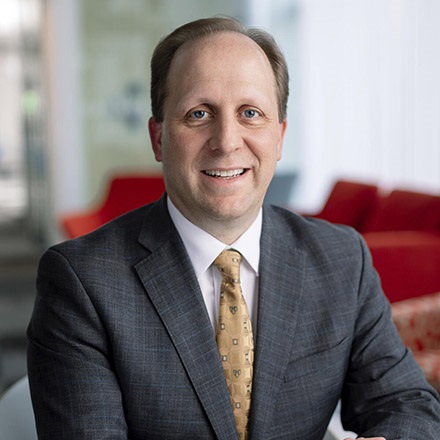
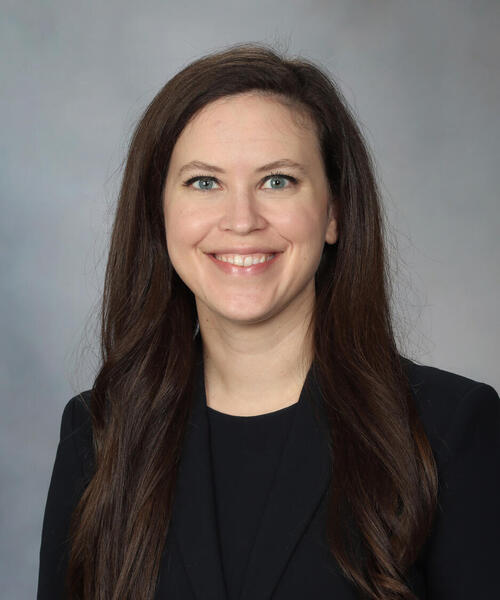

 Colon and Rectal Surgeon, Hepatobiliary and Pancreas Surgeon, Surgical Oncologist, Transplant Surgeon
- Rochester, MN

Research
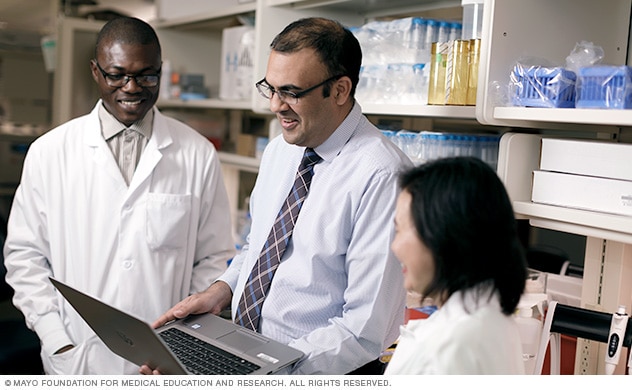
Bile duct cancer researchers
Doctors and scientists work together to develop new options for people with bile duct cancer.
Researchers at Mayo Clinic are studying new ways to diagnose and treat hilar cholangiocarcinoma. This research is conducted as part of the Division of Gastroenterology and Hepatology in coordination with Mayo Clinic Cancer Center.
Mayo Clinic Cancer Center receives funding from the National Cancer Institute (NCI) and is an NCI-designated comprehensive cancer center — recognition for an institution's scientific excellence and multidisciplinary resources focused on cancer prevention, diagnosis and treatment.
Areas of research include:
- Studying the association of aspirin and statin medicines with a reduced risk of cholangiocarcinoma.
- Investigating the molecular genetics of tumors and identifying biomarkers, which may aid in early diagnosis or lead to new targeted therapies.
- Doing clinical trials for new targeted therapies. These trials are possible because of Mayo Clinic's high patient volume for primary sclerosing cholangitis and bile duct cancer.
- Expanding surgical options and refining techniques, including vessel and bile duct reconstruction, to widen the number of people who may qualify for curative approaches.
- Proving that the biomarker CA 19-9 is useful for staging cholangiocarcinoma and understanding the prognosis for people with the disease.
Publications
See a list of publications about cholangiocarcinoma by Mayo Clinic doctors on PubMed, a service of the National Library of Medicine.
Research profiles
Showing 1-10 of 11
Filter By
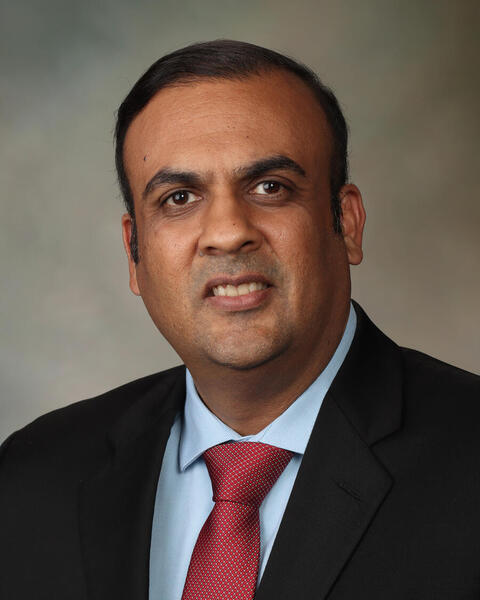


M.B.B.S.
Assistant Professor of Immunology, Associate Professor of Medicine
M.D.
Professor of Biochemistry and Molecular Biology, Professor of Medicine

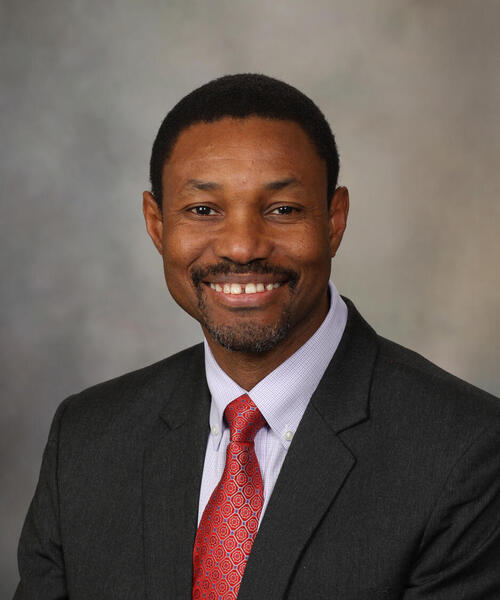
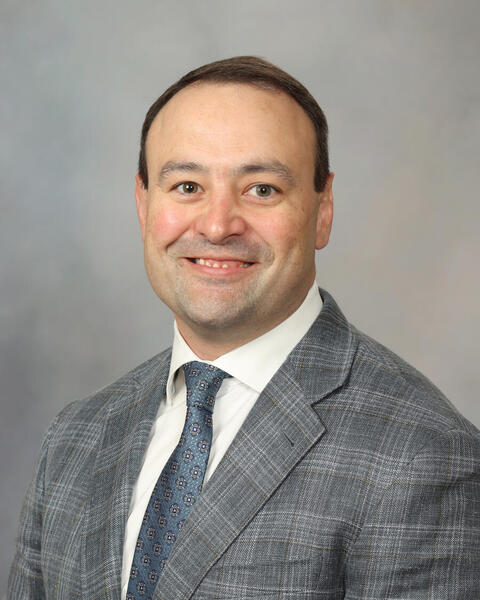
M.D.
Professor of Biochemistry and Molecular Biology, Professor of Surgery
CON-20202299
