Glioblastoma Survival Rates
Survival rates
Survival rates describe how groups of people with glioblastoma have done over time. These numbers cannot predict exactly what will happen for you, but they can give a general sense of how this cancer behaves and how age and treatment may affect outlook.
5-year and 10-year survival rates for glioblastoma
Glioblastoma is a fast-growing brain cancer. Even with treatment, long-term survival is uncommon. In large studies, about 5% to 7% of people are alive five years after diagnosis.
Some people live longer, but 10-year survival is rare. Long-term survivors do exist, and their experiences can vary widely.
Survival rates cannot predict exactly what will happen for any one person. They give a general picture of how this cancer behaves when looking at many people over time.
Glioblastoma survival rates by age
Age is one of the strongest factors affecting life expectancy in glioblastoma. Younger adults often respond better to treatment and may live longer.
In general:
- Younger adults tend to have a better outlook. People younger than 45 years old at the time of diagnosis make up a larger share of long-term survivors.
- Middle-aged adults often have a life expectancy close to the overall average of 12 to 18 months.
- Older adults, especially those over 65 to 70, may live a shorter time because glioblastoma grows quickly and some treatments may be harder to tolerate.
Glioblastoma in children is rare. When it does occur, some children live longer than adults, especially if surgery and other treatments can be done safely.
What affects prognosis and life expectancy in glioblastoma
Many factors can influence life expectancy for someone with glioblastoma. These factors can affect how well treatment works and how the tumor behaves over time.
Factors include:
- Age. Younger adults often respond better to treatment.
- Overall health. People who are active and independent at diagnosis may tolerate treatment better.
- Tumor location. Tumors in certain areas of the brain may limit how much treatment is safe to give.
- Surgery. Removing more of the tumor, when it is safe to do so, is linked with longer survival.
- Tumor features. Certain biomarker lab tests, such as MGMT promoter methylation, can show how well the tumor may respond to treatment.
Your healthcare team can explain how these factors apply to your situation.
What are the different grades of glioma and what does grade 4 mean?
Brain and spinal cord tumors are grouped into grades based on how the cells look under a microscope and how quickly they are likely to grow. The World Health Organization (WHO) uses grades from 1 to 4.
- Grade 1 and 2 gliomas tend to grow slowly.
- Grade 3 gliomas grow faster and can spread into nearby brain tissue.
- Grade 4 gliomas grow the fastest and are the most invasive into nearby brain tissue.
Glioblastoma is by definition a grade 4 diffuse glioma. There is no such thing as a "low-grade" or grade 1, 2 or 3 glioblastoma.
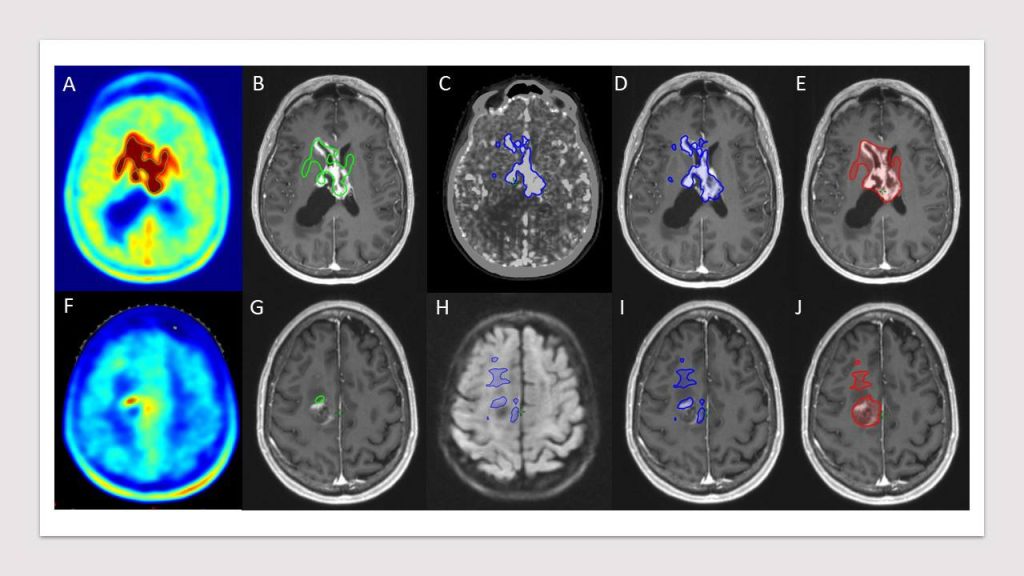
Glioblastomas are a type of glioma called IDH-wildtype glioma. Some tumors that used to be called IDH-mutant glioblastoma have been renamed and are now termed grade 4 astrocytomas, which is a separate type of glioma. You also may hear terms such as butterfly glioblastoma, which describes how the tumor looks on imaging. This term does not describe a separate type of tumor.
Is there a difference between malignant and nonmalignant glioblastoma?
All glioblastomas are considered malignant brain tumors. The term "nonmalignant glioblastoma" is not used in medicine.
Some brain tumors are called benign or nonmalignant, such as certain low-grade astrocytomas or meningiomas. These tumors are not cancerous, grow more slowly and usually have a much better outlook than glioblastoma does.
If you see the term "malignant glioblastoma," it is simply emphasizing that glioblastoma is a fast-growing cancer. It is not describing a separate type of tumor.
Changes that may happen as glioblastoma advances
As glioblastoma grows or returns after treatment, symptoms may become more noticeable. These changes happen at different times for different people. The changes can include:
- More tiredness or sleeping more.
- Trouble thinking clearly or remembering things.
- More weakness or changes in balance.
- More trouble with speech or understanding language.
- More-frequent or harder-to-control seizures.
- Changes in eating or swallowing.
- Less awareness of what is happening.
These changes often happen gradually as glioblastoma advances and may be more noticeable in the final months or weeks of life.
Prognosis
Learning about the prognosis for glioblastoma can feel overwhelming. Prognosis describes what healthcare teams know about how the cancer may behave over time. Everyone's experience is different, but research can give a general idea of life expectancy and the factors that may affect it.
What is the life expectancy for someone with glioblastoma?
Glioblastoma is an aggressive form of brain cancer, and life expectancy can vary widely from person to person. Many factors influence life expectancy, including:
- Your age.
- Your overall health.
- Where the glioblastoma is in the brain.
- How much of the tumor can be safely removed with surgery.
- How well the glioblastoma responds to treatment.
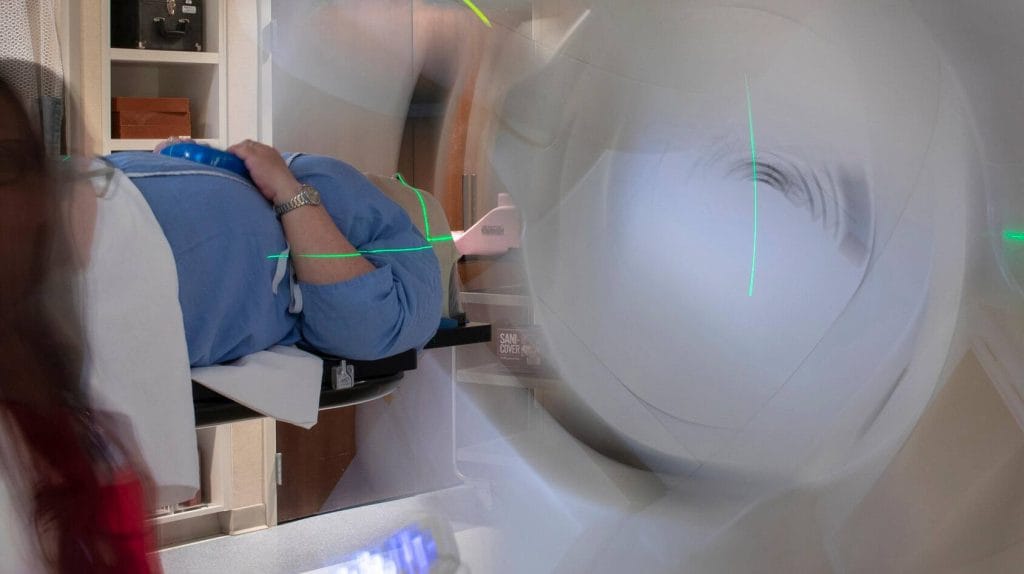
In large studies, people with glioblastoma have a median life expectancy of about 12 to 18 months after diagnosis when they receive standard treatment. Standard treatment typically includes surgery when possible, followed by radiation therapy and chemotherapy. Some people live longer if they can complete the full treatment plan and if their tumor responds well to treatment.
How treatment affects life expectancy for glioblastoma
Treatments such as surgery, radiation therapy and chemotherapy do not cure glioblastoma, but they can help people live longer and reduce symptoms so they can live more comfortably. Some people also receive tumor treating fields therapy or take part in clinical trials.
Without treatment, glioblastoma usually grows quickly. In these situations, people may live only a few months.
Treatment can:
- Slow how fast the tumor grows.
- Reduce symptoms such as headaches, seizures or weakness.
- Help people stay independent for longer.
Your healthcare team can explain the treatment options that match your situation and how each option may affect your outlook.
Life expectancy after glioblastoma recurrence
Even with treatment, glioblastoma almost always comes back after the first treatment. This is called recurrence or progression.
When glioblastoma returns, life expectancy is usually shorter than it was at the first diagnosis. In many studies, people live about 6 to 12 months after the tumor begins to grow again, though this varies from person to person.
How long someone lives after recurrence depends on:
Their age and overall health.
- Where the tumor is located.
- How quickly the tumor is growing.
- What treatments they can receive after recurrence, such as surgery, chemotherapy, targeted therapy, tumor treating fields therapy or clinical trials.
Some people may live longer if they can have additional treatment. Others may choose palliative care that focuses on comfort.

CON-20117786
