Inflammatory bowel disease (IBD) Care at Mayo Clinic
Inflammatory bowel disease care at Mayo Clinic
Your Mayo Clinic care team
Treating IBD involves specialists in many areas. These may include gastroenterology and hepatology, colon and rectal surgery, radiology, laboratory medicine and pathology, rheumatology, skin and wound care, and nutrition.
Having all this expertise in a single place means that your care is discussed among the team. Test results are available quickly, appointments are scheduled in coordination and the most highly specialized experts in the world are all working together for your health.
Advanced diagnosis and treatment
Mayo Clinic surgeons have experience diagnosing and treating IBD using the most current management and surgical techniques.
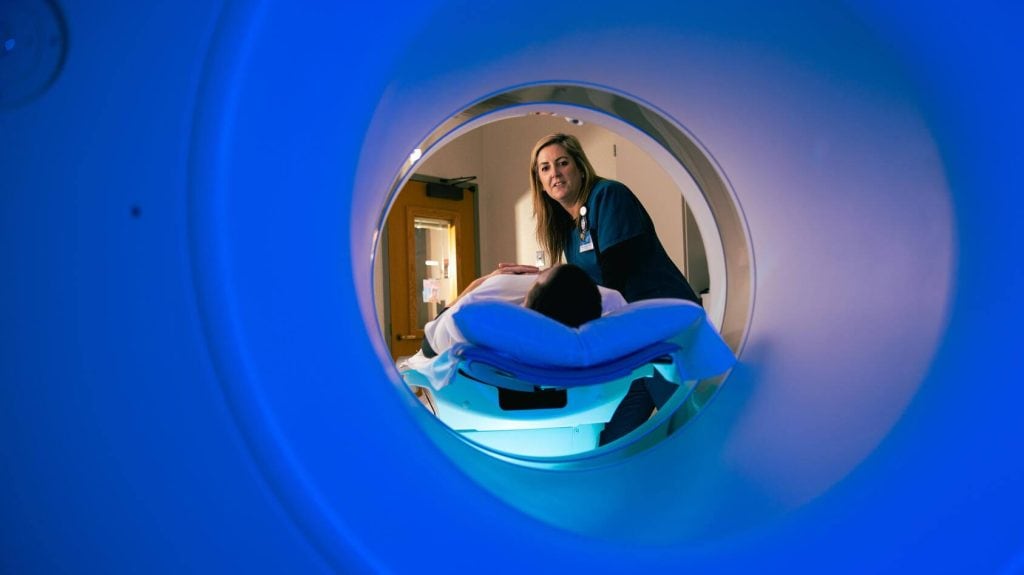
Mayo Clinic researchers helped develop MR and CT enterography, imaging tests that let healthcare professionals closely examine the small intestine. These tests are more sensitive than conventional imaging for finding inflammation, abscesses and fistulas.
Mayo Clinic doctors also use balloon-assisted enteroscopy to look for sources of bleeding that can't be found with other methods. This method allows for deeper insertion and visualization of the small intestine.
Mayo's colorectal surgeons are committed to using minimally invasive surgical procedures, which are associated with less pain and fewer complications.
Pediatric expertise

Pediatric experts at Mayo Clinic's Pediatric Inflammatory Bowel Disease Clinic specialize in providing the care that children require for IBD. This care includes diagnostic tests that don't expose your child to radiation and alternative medicines that reduce the need for steroids.
IBD often takes an even greater physical and emotional toll on young people, slowing their growth. At Mayo Clinic, young people and their families work closely with psychologists who can help them navigate the day-to-day difficulties of living with IBD.
Specialized pregnancy care
Women with IBD can usually have successful pregnancies, especially if they can keep the disease in remission during pregnancy. It's important to work with a high-risk obstetrician and a gastroenterologist specializing in IBD. Mayo Clinic doctors have expertise and experience guiding people with IBD through pregnancy and delivery.
Expertise and rankings
Experience
Each year, Mayo Clinic doctors diagnose and treat more than 8,000 adults and children with inflammatory bowel disease, including Crohn's disease and ulcerative colitis. Mayo Clinic specializes in helping people with severe symptoms that haven't responded well to treatment in the past.
Expertise
The Inflammatory Bowel Disease Clinic at Mayo Clinic focuses specifically on people with inflammatory bowel diseases, such as Crohn's disease and ulcerative colitis. In addition to providing routine clinical care, Mayo Clinic doctors are actively involved in research and can provide investigational drug therapy with a variety of medicines for people who do not respond to standard medical therapy.
Research
Mayo Clinic doctors conduct research in new diagnostic tests and treatments for IBD and conduct clinical trials. For example, Mayo colorectal surgeons pioneered the procedure to remove the diseased colon and rectum and reconnect the intestines to the anus — ileoanal anastomosis (J-pouch surgery) — so that a person can continue to pass stool in a typical way.
Mayo's Center for Cell Signaling in Gastroenterology (C-SIG) focuses its research on mechanisms of cellular and molecular processes in a variety of digestive diseases, including Crohn's disease and ulcerative colitis.
Mayo Clinic in Rochester, Minnesota, ranks No. 1 for digestive disorders in the U.S. News & World Report Best Hospitals rankings. Mayo Clinic in Phoenix/Scottsdale, Arizona, and Mayo Clinic in Jacksonville, Florida, are ranked among the Best Hospitals for digestive disorders by U.S. News & World Report. In U.S. News & World Report’s regional analysis, Mayo Clinic Children’s is ranked No. 1 in Minnesota and No. 1 in the five-state Upper Midwest region, which includes Minnesota, Wisconsin, Iowa, North Dakota and South Dakota.
Locations, travel and lodging
Mayo Clinic has major campuses in Phoenix and Scottsdale, Arizona; Jacksonville, Florida; and Rochester, Minnesota. The Mayo Clinic Health System has dozens of locations in several states.
For more information on visiting Mayo Clinic, choose your location below:


Costs and insurance
Mayo Clinic works with hundreds of insurance companies and is an in-network provider for millions of people.
In most cases, Mayo Clinic doesn't require a physician referral. Some insurers require referrals or may have additional requirements for certain medical care. All appointments are prioritized on the basis of medical need.
Learn more about appointments at Mayo Clinic.
Please contact your insurance company to verify medical coverage and to obtain any needed authorization prior to your visit. Often, your insurer's customer service number is printed on the back of your insurance card.
More information about billing and insurance:






Get the latest health information from Mayo Clinic delivered to your inbox.
CON-20312396
