传染病
    症状与病因

    2026 年 9 月 24 日

    概述

    传染病是指微小生物进入人体并繁殖而引发的疾病。细菌、病毒、真菌和寄生虫都是可能致病的微生物示例。许多微生物寄生于我们的体内或体表。它们体型太小,肉眼无法看见,并且通常无害,甚至有益。但在某些情况下,一些微生物可能会引起疾病。

    某些传染病可能发生人际传播。有些会通过昆虫或其他动物传播。您可能通过食用受污染的食物或水感染其他传染病。或者,您也可能接触到周围环境中的病菌,例如物体表面的病菌。

    传染病的症状因感染原因而异。但这些症状通常包括发热和疲倦。休息和家庭疗法也许可消除轻微感染。但其他感染可能会致命,并且可能需要住院治疗。

    许多传染病(如麻疹和水痘)可能通过接种疫苗来预防。而对于 COVID-19 等其他疾病,接种疫苗或许可减轻病症。经常彻底洗手也有助于防护大多数传染病。

    症状

    每种传染病都有相应的特定症状。但部分疾病有共同的症状,例如:

    • 发热。
    • 心跳过快。
    • 腹泻。
    • 疲倦,也称为疲劳。
    • 肌肉酸痛。
    • 咳嗽。
    • 盗汗。

    何时就医

    如果您出现以下情况,请致电医疗护理专业人员:

    • 被动物咬伤。
    • 呼吸困难。
    • 咳嗽超过一周,或者咳出黄绿色黏液或血液。
    • 严重头痛伴发热。
    • 出现大面积皮疹,伴有发热、渗液,或者感到疼痛或温热。
    • 出现不明原因或持续性发热。
    • 突发视力问题。

    Infectious Diseases Care at Mayo Clinic

    我们的专业医护团队为患有传染病、受伤和生病的人提供专家护理。

    病因

    传染病可能由以下因素导致:

    • 细菌。 这些单细胞微生物可能导致链球菌性咽喉炎、尿路感染和结核病等疾病。
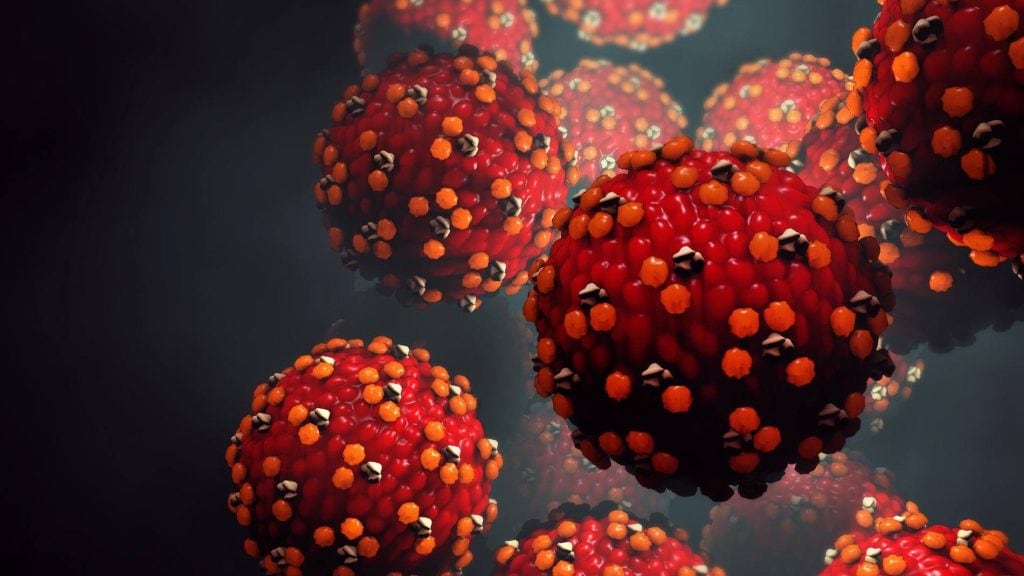
    • 病毒。 这些微小的病菌甚至比细菌还要小。它们会导致许多疾病,包括普通感冒、COVID-19 和 HIV。
    • 真菌。 这类病菌可引起体癣和脚癣等许多皮肤疾病。其他类型的真菌可能会感染肺部、眼睛、肝脏或脑。
    • 寄生虫。 疟疾是由通过蚊子叮咬传播的微小寄生虫引起的。其他寄生虫可能通过动物粪便传播给人类。

    直接接触

    接触受感染的人或动物很容易传播大部分传染病。这些传染病可以通过直接接触传播,例如:

    • 人传人。 如果感染者触摸、亲吻未感染者,或对着其咳嗽或打喷嚏,就可能会传播传染病。

      这些病菌也可能在性接触过程中通过体液传播。病菌传播者可能没有任何症状。

    • 动物传人。 被受感染的动物(甚至宠物)咬伤或抓伤可能导致您患病,极端情况下可能会致命。处理动物粪便也可能增加感染疾病的风险。例如,清理猫砂盆时不戴一次性手套或事后不洗手,则可能因接触寄生虫而导致感染。怀孕者和其他免疫系统功能低下的人群尤其容易感染这种称为弓形虫病的疾病。
    • 由母体传播给胎儿。 怀孕者可能会将引发传染病的细菌传播给胎儿。有些病菌可能通过胎盘(向胎儿输送氧气和营养素的器官)进行传播。阴道中的病菌也可能在分娩过程中传播给婴儿。病菌也有可能通过母乳传播,但这种风险很小。如果您从母乳共享网站在线购买母乳,或者用别人的母乳喂养宝宝,这种风险会更高。

    间接接触

    致病病菌也可能通过间接接触传播。许多病菌可能会在桌面、门把手或水龙头开关等物体表面存活较长时间。

    例如,如果您触摸了流感或普通感冒患者接触过的门把手,则可能会接触到其遗留的病菌。而如果您未洗手就触碰眼睛、嘴巴或鼻子,则可能被感染。

    虫子叮咬

    蚊子、跳蚤、虱子或蜱虫等虫子都可能携带病菌,并通过叮咬将病菌传播给人类。蚊子可能携带疟原虫或西尼罗病毒。鹿蜱可能携带莱姆病的致病菌。

    食物污染

    致病菌也可能通过被污染的食物和水引发感染。例如,某些食物(如未全熟的汉堡肉或未经巴氏杀菌的果汁)的内部或表面可能存在大肠杆菌(E. coli)。

    风险因素

    任何人都可能感染传染病。但如果您的免疫系统不能发挥正常功能,则可能更容易患病。以下情况可能导致感染传染病:

    • 您正在服用类固醇或使用其他抑制免疫系统的药物(如癌症化疗药物)。
    • 您患有 HIV 或 AIDS。
    • 您患有某些类型的癌症或其他累及免疫系统的状况。

    其他风险因素包括营养不良,以及需要通过静脉插管给药的医疗程序或其他治疗方法。

    并发症

    一些传染病可能引起普通感冒等轻微的健康问题,而另一些传染病(如肺炎和脑膜炎)则可能致命。一些传染病可能增加长期患癌风险:

    • 人乳头状瘤病毒与宫颈癌有关。
    • 幽门螺杆菌与胃癌和消化性溃疡存在关联。
    • 乙肝和丙肝与肝癌相关。

    某些传染病的致病病菌也可能进入非活动状态,但日后会再次致病。例如,患过水痘的人可能在年龄较大时患上带状疱疹。

    预防

    遵循以下这些提示可降低感染风险:

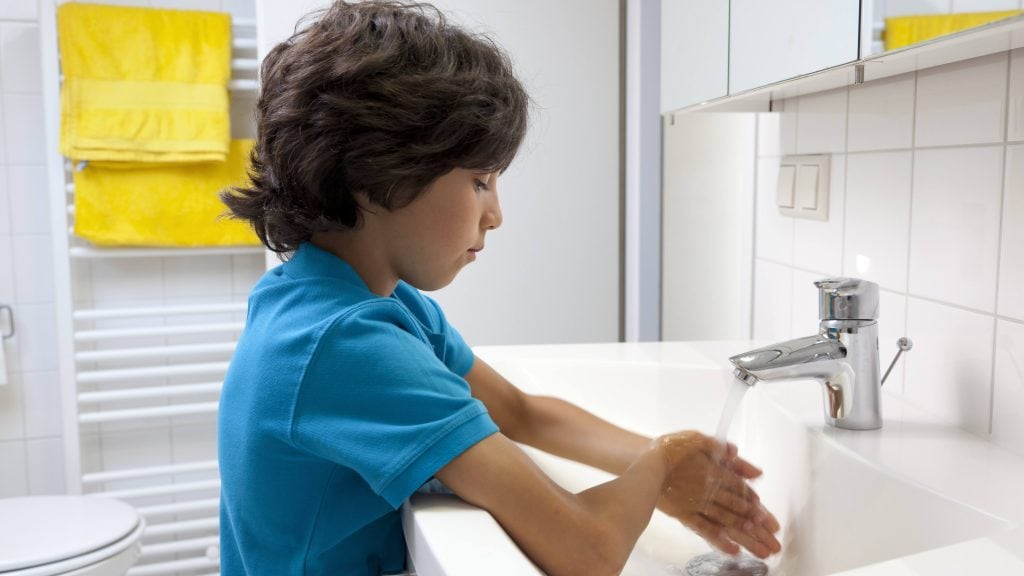
    • 洗手。 使用肥皂和清水搓洗至少 20 秒。或者,使用酒精含量至少为 60% 的洗手液。备餐前后、进食前、如厕后或接触垃圾后务必洗手。接触宠物、其食物或排泄物后也务必洗手。照顾患者后、处理伤口前后以及擤鼻涕后务必洗手。避免用手触摸眼睛、鼻子或嘴巴。这是病菌进入人体的常见途径。
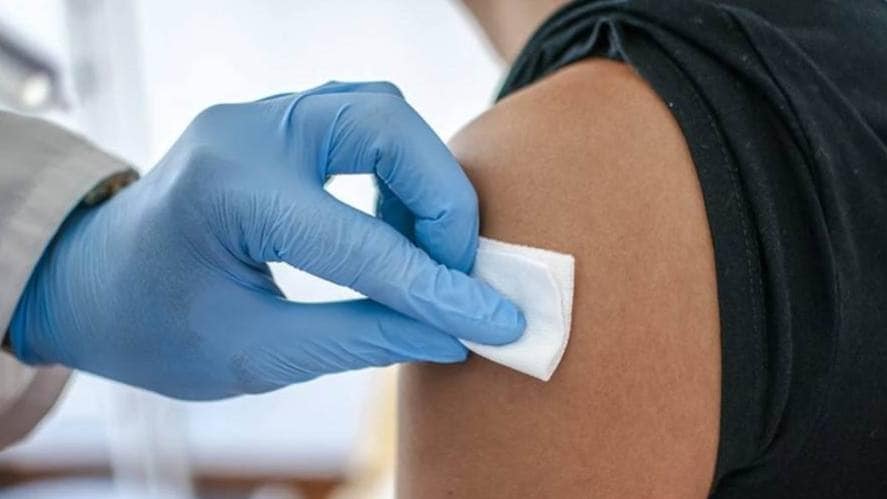
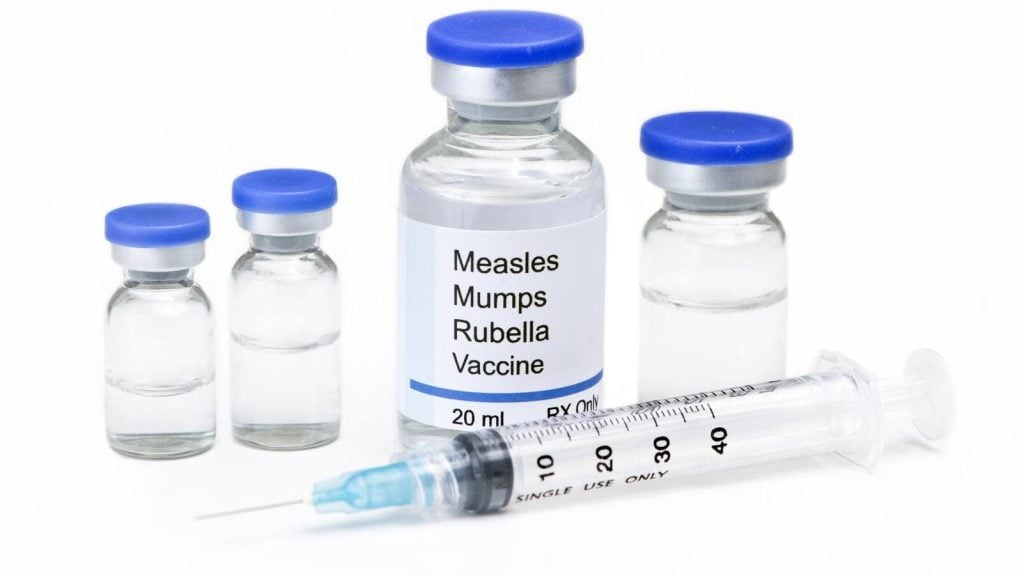
    • 接种疫苗。 疫苗接种可以大幅降低感染许多疾病的几率。确保及时为您和孩子接种最新的推荐疫苗。
    • 生病时待在家里。 如果您有呕吐、腹泻或发热的症状,请不要去上班。如果孩子也有这些症状,请不要送其去上学。如果您生病或需要照顾 COVID-19 感染者,请佩戴口罩。
    • 安全地准备食物。 准备餐食时,要保持台面和其他厨具表面的清洁。将食物煮到适当的温度,用食物温度计检查食物是否熟透。对于碎肉,这意味着至少 71 C(160 F);对于家禽,74 C(165 F);对于大多数其他肉类,至少 63 C(145 F)。剩菜也要及时冷藏——请勿让熟食在室温下停留太长时间。
    • 进行安全的性行为。 如果您或伴侣有性传播疾病(STD)史,每次发生性行为时都应使用避孕套。如果您和伴侣中的任一方有多个性伴侣,也务必使用避孕套。请务必接受 STD 检测,并向彼此告知检测结果。
    • 请勿共用个人物品。 使用自己的牙刷、梳子和剃刀。请勿共用饮水杯具或餐具,特别是在有人出现患病症状时。
    • 出行需谨慎。 如果您计划出国旅行,请咨询医务人员,了解可能需要接种的特殊疫苗。例如,黄热病疫苗、霍乱疫苗、甲肝或乙肝疫苗,或者伤寒疫苗。
    1. Facts about infectious disease. Infectious Disease Society of America. https://www.idsociety.org/public-health/facts-about-id/. Accessed April 13, 2023.
    2. Loscalzo J, et al., eds. Approach to the patient with an infectious disease. In: Harrison's Principles of Internal Medicine. 21st ed. McGraw Hill; 2022. https://accessmedicine.mhmedical.com. Accessed April 13, 2023.
    3. When and how to wash your hands. Centers for Disease Control and Prevention. https://www.cdc.gov/handwashing/when-how-handwashing.html. Accessed April 13, 2023.
    4. Sexually transmitted diseases. How you can prevent sexually transmitted diseases. Centers for Disease Control and Prevention. https://www.cdc.gov/std/prevention/default.htm. Accessed April 17, 2023.
    5. Flu and colds: In depth. National Center for Complementary and Integrative Health. https://www.nccih.nih.gov/health/flu-and-colds-in-depth. Accessed April 17, 2023.
    6. Ryan KJ, ed. Infectious diseases: Syndromes and etiologies. In: Sherris & Ryan's Medical Microbiology. 8th ed. McGraw-Hill; 2022. https://accessmedicine.mhmedical.com. Accessed May 29, 2019.
    7. Chickenpox (varicella): Transmission. Centers for Disease Control and Prevention. Accessed April 26, 2023.
    8. Coughing and sneezing. Centers for Disease Control and Prevention. https://www.cdc.gov/hygiene/personal-hygiene/coughing-sneezing.html. Accessed April 14, 2023.
    9. Parasites — toxoplasmosis (toxoplasma infection): Prevention & control. Centers for Disease Control and Prevention. https://www.cdc.gov/parasites/toxoplasmosis/prevent.html. Accessed April 14, 2023.
    10. Caring for someone sick. Centers for Disease Control and Prevention. https://www.cdc.gov/flu/treatment/caring-for-someone.htm. Accessed April 13, 2023.
    11. Temesgen Z, et al., eds. General approach to infectious diseases evaluation. In: A Rational Approach to Clinical Infectious Diseases: A Manual for House Officers and Other Non-Infectious Diseases Clinicians. Elsevier; 2022. https://www.clinicalkey.com. Accessed April 13, 2023.
    12. Ensuring COVID-19 vaccine safety in the US. Centers for Disease Control and Prevention. https://www.cdc.gov/coronavirus/2019-ncov/vaccines/safety.html. Accessed April 13, 2023.
    13. Learn about cough. American Lung Association. https://www.lung.org/lung-health-diseases/warning-signs-of-lung-disease/cough/learn-about-cough. Accessed April 13, 2023.
    14. Transmission of parasitic diseases. Centers for Disease Control and Prevention. https://www.cdc.gov/parasites/transmission/index.html. Accessed April 14, 2023.
    15. Baddour LM, et al. https://www.uptodate.com/contents/search. Accessed April 13, 2023.
    16. Differential diagnosis of headache with fever. https://www.uptodate.com/contents/search. Accessed April 14, 2023.
    17. Rash 101 in adults: When to seek medical treatment. American Academy of Dermatology. https://www.aad.org/public/everyday-care/itchy-skin/rash/rash-101. Accessed April 14, 2023.
    18. FAQs: Breastfeeding. Centers for Disease Control and Prevention. https://www.cdc.gov/breastfeeding/faq/index.htm. Accessed April 14, 2023.
    19. The alarming truth about antibiotic resistance. National Cancer Institute. https://ncifrederick.cancer.gov/about/theposter/content/alarming-truth-about-antibiotic-resistance. Accessed April 14, 2023.
    20. Overview of fungal infections. Merck Manual Professional Version. https://www.merckmanuals.com/professional/infectious-diseases/fungi/overview-of-fungal-infections. Accessed April 14, 2023.
    21. Germs live in the environment. Centers for Disease Control and Prevention. https://www.cdc.gov/infectioncontrol/projectfirstline/healthcare/germs-environment.html. Accessed April 14, 2023.
    22. Risk of disease from mosquito and tick bites. Environmental Protection Agency. https://www.epa.gov/insect-repellents/risk-disease-mosquito-and-tick-bites. Accessed April 14, 2023.
    23. Use and care of masks. Centers for Disease Control and Prevention. https://www.cdc.gov/coronavirus/2019-ncov/prevent-getting-sick/about-face-coverings.html. Accessed April 14, 2023.
    24. Leftovers and food safety. USDA Food Safety and Inspection Service. https://www.fsis.usda.gov/food-safety/safe-food-handling-and-preparation/food-safety-basics/leftovers-and-food-safety. Accessed April 17, 2023.
    25. What is viral hepatitis? Centers for Disease Control and Prevention. https://www.cdc.gov/hepatitis/abc/index.htm. Accessed April 14, 2023.
    26. Mpox: Isolation and infection control at home. https://www.cdc.gov/poxvirus/mpox/clinicians/infection-control-home.html. Accessed April 14, 2023.
    27. Brunette GW, et al., eds. Posttravel evaluation. In: CDC Yellow Book 2020: Health Information for International Travel. Oxford University Press; 2017. https://wwwnc.cdc.gov/travel/page/yellowbook-home-2020. Accessed April 14, 2023.
    28. Pneumonia symptoms and diagnosis. American Lung Association. https://www.lung.org/lung-health-diseases/lung-disease-lookup/pneumonia/symptoms-and-diagnosis. Accessed April 14, 2023.
    29. Antiviral therapies: Advances and perspectives. Fundamental & Clinical Pharmacology. 2020; doi:10.1111/fcp.12609.
    30. What are the possible treatment options for COVID-19? Administration for Strategic Preparedness and Response. https://aspr.hhs.gov/COVID-19/Treatments/Pages/Possible-Treatment-Options-for-COVID19.aspx. Accessed April 17, 2023.
    31. Feather A, et al., eds. Infectious disease. In: Kumar & Clark's Clinical Medicine. 10th ed. Elsevier; 2021. https://www.clinicalkey.com. Accessed April 17, 2023.
    32. Weller PF. Anthelminthic therapies. https://www.uptodate.com/contents/search. Accessed April 17, 2023.
    33. Weller PF. Antiprotozoal therapies. https://www.uptodate.com/contents/search. Accessed April 17, 2023.
    34. Baker JH, et al. Role of complementary and alternative therapies in infectious disease. Primary Care: Clinics in Office Practice. 2018; doi:10.1016/j.pop.2018.05.009.
    35. Sexton DJ, et al. The common cold in adults: Treatment and prevention. https://www.uptodate.com/contents/search. Accessed April 17, 2023.

    CON-20155610

    一份馈赠,无穷力量——今天就来伸出援手!

    您的捐赠可以抵税。请您慷慨解囊,和我们一起进行尖端研究和医护,共同推动医学的改变。