Peutz-Jeghers syndrome Doctors and departments
Mayo Clinic has one of the largest and most experienced practices in the United States, with campuses in Arizona, Florida and Minnesota. Staff skilled in dozens of specialties work together to ensure quality care and successful recovery.
Doctors who treat this condition
Showing 1-5 of 5
Filter By

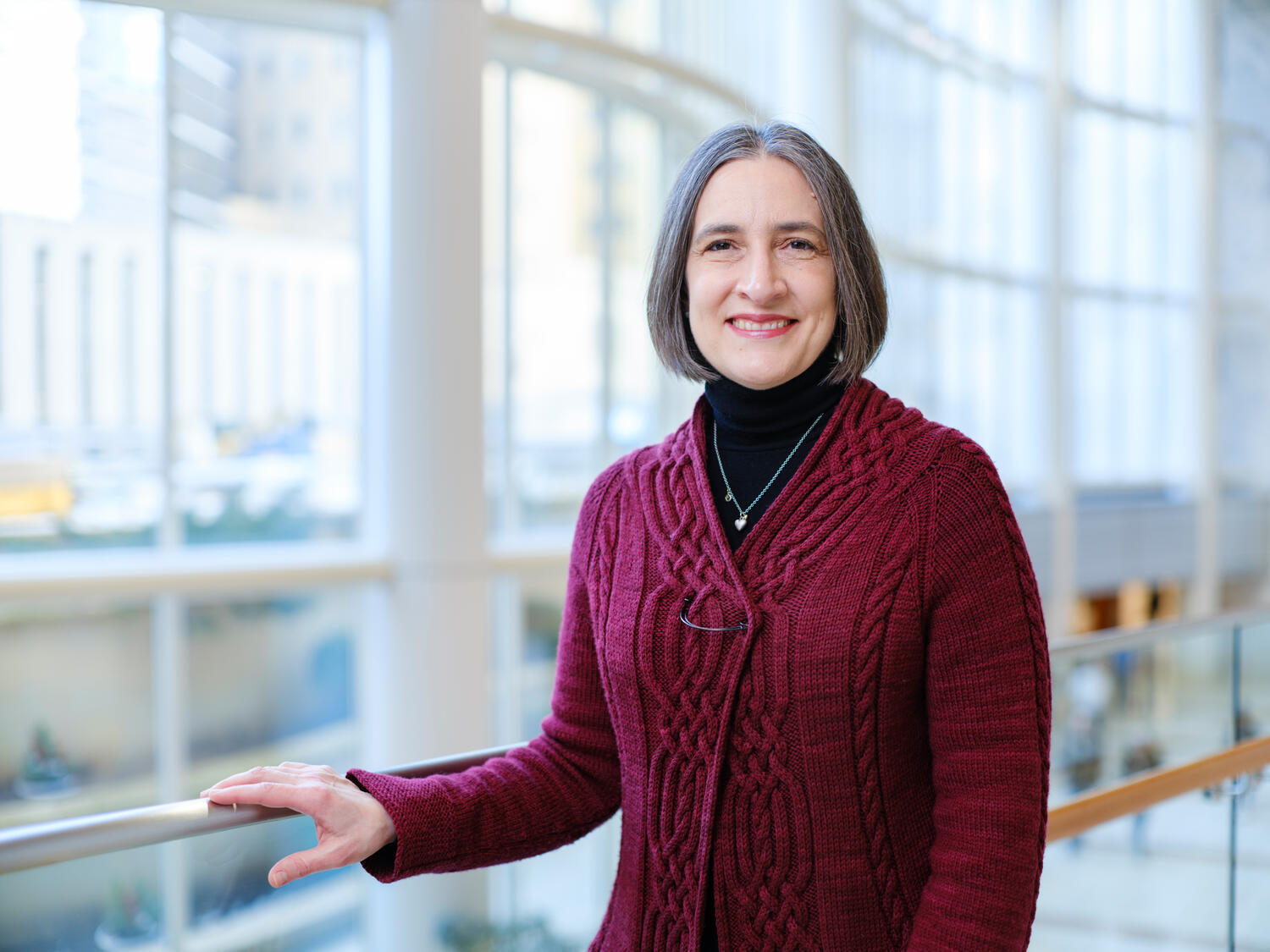 General Surgeon, Pediatric Surgeon, Surgeon, Surgical Oncologist
- Rochester, MN

Research
Mayo Clinic researchers are continually developing improved screening methods and treatments for hereditary polyp disorders, such as Peutz-Jeghers syndrome, and gastrointestinal cancers. Mayo maintains the Colon Cancer Family Registry to help keep you informed of new screening techniques and procedures. Mayo scientists are working to discover more about the genetic basis of PJS and other hereditary polyp disorders and to clinically translate those genetic findings to medical care. Surgeons also are working to improve treatments, such as laparoscopic techniques for colorectal procedures. Mayo Clinic's Cancer Risk Assessment, Early Detection and Interception Research Program is focused on developing targeted early detection and data-driven prevention strategies for clinically significant cancer precursors and early-stage cancers.
Publications
See a list of publications about Peutz-Jeghers syndrome by Mayo Clinic doctors on PubMed, a service of the National Library of Medicine.

CON-20358128
