Overview
Hairy cell leukemia
Hairy cell leukemia
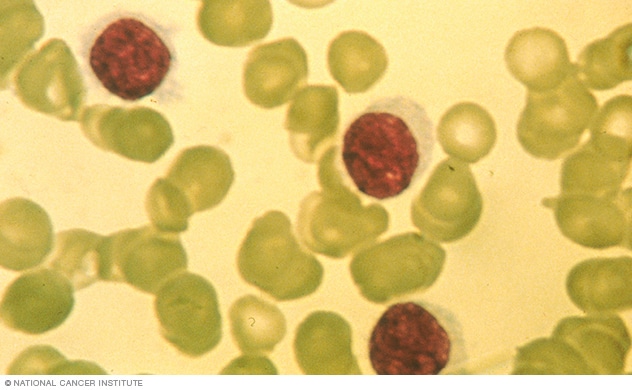
The darker cells in this photo are hairy cell leukemia cells. Hairy cell leukemia cells look hairy when viewed under a microscope. The "hair" is actually thin projections that stick out from the cell.
Hairy cell leukemia is a cancer of the white blood cells. The white blood cells help fight germs. The white blood cells involved in hairy cell leukemia are called B cells. B cells also are called B lymphocytes.
In hairy cell leukemia, the body makes too many B cells. The cells don't look like healthy B cells. Instead, they've changed into leukemia cells. The leukemia cells look "hairy" under a microscope.
Hairy cell leukemia cells keep living when healthy cells would die as part of the natural cell life cycle. The leukemia cells build up in the body and cause symptoms.
Hairy cell leukemia often gets worse slowly. Treatment might not need to start right away. When it's needed, treatment most often is with chemotherapy.
Scientists found a type of cancer that looks like hairy cell leukemia, but it gets worse much faster. This other type of cancer is sometimes called hairy cell leukemia variant. It's thought to be a separate type of cancer from hairy cell leukemia, despite its name.
Dr. Rafael Fonseca, hematologist and Chief Innovation Officer at Mayo
Clinic
Call your preferred Mayo Clinic location:
Products & Services
Symptoms
Hairy cell leukemia may not cause symptoms. Sometimes a healthcare professional finds it by chance from a blood test for another condition.
When it causes signs and symptoms, hairy cell leukemia may cause:
- Pain or a feeling of fullness below the ribs.
- Tiredness.
- Easy bruising.
- Repeat infections.
- Weakness.
- Weight loss without trying.
When to see a doctor
Make an appointment with a doctor or other healthcare professional if you have symptoms that don't go away and that worry you.
Causes
It's not clear what causes hairy cell leukemia.
Hairy cell leukemia begins in the white blood cells. The white blood cells help fight germs in the body. There are a few types of white blood cells. The white blood cells involved in hairy cell leukemia are called B cells.
Hairy cell leukemia happens when B cells get changes in their DNA. A cell's DNA holds the instructions that tell a cell what to do. The changes tell the B cells to make a lot more B cells that don't work right. These cells go on living after healthy cells die as part of the natural cell life cycle.
The B cells that don't work right crowd out healthy blood cells in the bone marrow and other organs. This leads to the symptoms and complications of hairy cell leukemia.
Risk factors
The risk of hairy cell leukemia may be higher in:
- Older adults. Hairy cell leukemia can happen at any age. But most people diagnosed with hairy cell leukemia are in their 50s or 60s.
- People assigned male at birth. Hairy cell leukemia can happen to anyone. But it's more likely in people assigned male at birth.
Complications
Too few healthy blood cells
Hairy cell leukemia can cause too many diseased cells that can crowd out the healthy blood cells. That can lead to:
- Infections. Your body needs healthy white blood cells to fight off germs. If your body can't make enough healthy white blood cells, you might get more infections.
- Bleeding. Your body needs healthy platelet cells to manage bleeding. If the number of platelets in your blood is low, you might bruise more easily. You also might have bleeding from the nose or gums.
- Anemia. Your body needs healthy red blood cells to carry oxygen through it. Having too few red blood cells is called anemia. Anemia can make you feel tired.
Increased risk of other cancers
Some studies found that people with hairy cell leukemia have an increased risk of other types of cancer. The other cancers include non-Hodgkin lymphoma, Hodgkin lymphoma and others. Not all studies agree on whether there is an increased risk of other cancers after having hairy cell leukemia. Talk about it with your healthcare team if you're worried about your risk.
Oct. 07, 2026