Gonorrhea Symptoms and causes
Overview
Gonorrhea is a sexually transmitted infection, also called a sexually transmitted disease, caused by bacteria. Sexually transmitted diseases are infections spread mainly by contact with genitals or bodily fluids. Also called STDs, STIs or venereal disease, sexually transmitted infections are caused by bacteria, viruses or parasites.
Gonorrhea bacteria can infect the urethra, rectum, female reproductive tract, mouth, throat or eyes. Gonorrhea is most commonly spread during vaginal, oral or anal sexual activity. But babies can get the infection during childbirth. In babies, gonorrhea most commonly affects the eyes.
Avoiding sexual activity and not having sex prevents the spread of gonorrhea. Using a condom during sexual activity can help prevent the spread of gonorrhea. Being in a mutually monogamous relationship, in which both partners have sex only with each other and neither partner is infected, also limits the risk of an infection.
Symptoms
In many people, gonorrhea infection causes no symptoms. If there are symptoms, they often affect the genital tract, but also may occur in other places.
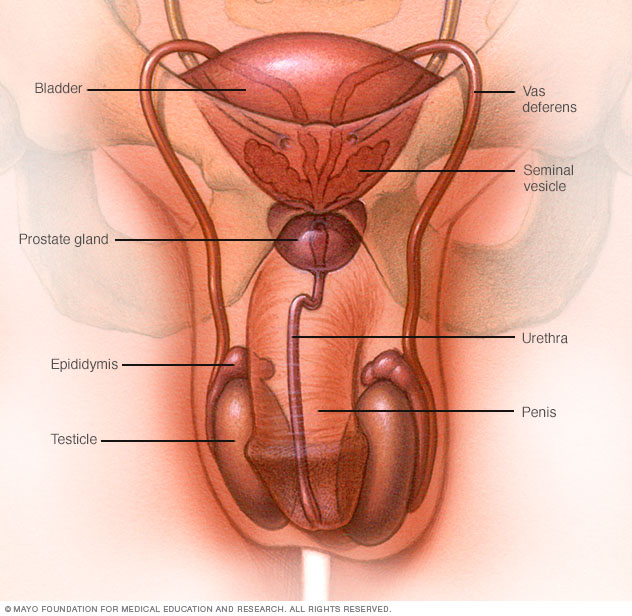
Male reproductive system
The male reproductive system makes, stores and moves sperm. Testicles produce sperm. Fluid from the seminal vesicles and prostate gland mixes with sperm to make semen. The penis ejaculates semen during sexual activity.

Female reproductive system
The ovaries, fallopian tubes, uterus, cervix and vagina, also called the vaginal canal, make up the female reproductive system.
Gonorrhea affecting the genital tract
Male symptoms of gonorrhea infection include:
- Painful urination.
- Pus-like discharge from the tip of the penis.
- Pain or swelling in one testicle.
Female symptoms of gonorrhea infection include:
- Increased vaginal discharge.
- Painful urination.
- Vaginal bleeding between periods, such as after vaginal intercourse.
- Abdominal or pelvic pain.
Gonorrhea at other sites in the body
Gonorrhea also can affect these parts of the body:
- Rectum. Symptoms include anal itching, pus-like discharge from the rectum, spots of bright red blood on toilet tissue and having to strain during bowel movements.
- Eyes. Gonorrhea that affects the eyes can cause eye pain, sensitivity to light, and pus-like discharge from one or both eyes.
- Throat. Symptoms of a throat infection might include a sore throat and swollen lymph nodes in the neck.
- Joints. If one or more joints become infected by the affected joints might be warm, red, swollen and extremely painful, especially during movement. This condition is known as septic arthritis.
When to see your doctor
Make an appointment with your healthcare professional if you notice symptoms such as a burning sensation when you urinate or a pus-like discharge from your penis, vagina or rectum.
Also make an appointment if your partner has been diagnosed with gonorrhea. You might not have symptoms, but if you have the infection, you can reinfect your partner even after your partner has been treated for gonorrhea.
Causes
Gonorrhea is caused by the bacterium Neisseria gonorrhoeae. The gonorrhea bacteria are most often passed from one person to another during sexual contact, including oral, anal or vaginal intercourse.
Risk factors
Sexually active women younger than 25 and men who have sex with men are at increased risk of getting gonorrhea.
Other factors that can increase your risk include:
- Having a new sex partner.
- Having a sex partner who has other partners.
- Having more than one sex partner.
- Having had gonorrhea or another sexually transmitted infection.
From Mayo Clinic to your inbox
Sign up for free and stay up to date on research advancements, health tips, current health topics, and expertise on managing health. Click here for an email preview.
Complications
Untreated gonorrhea can lead to major complications, such as:
- Infertility in women. Gonorrhea can spread into the uterus and fallopian tubes, causing pelvic inflammatory disease (PID). PID can result in scarring of the tubes, greater risk of pregnancy complications and infertility. PID requires immediate treatment.
- Infertility in men. Gonorrhea can cause inflammation in epididymis, the coiled tube above and behind the testicles that stores and transports sperm. This inflammation is known as epididymitis and without treatment it can lead to infertility.
- Infection that spreads to the joints and other areas of the body. The bacterium that causes gonorrhea can spread through the bloodstream and infect other parts of the body, including joints. Fever, rash, skin sores, joint pain, swelling and stiffness are possible results.
- Increased risk of HIV/AIDS. Having gonorrhea makes you more susceptible to infection with human immunodeficiency virus (HIV), the virus that leads to AIDS. People who have both gonorrhea and HIV can pass both diseases more readily to their partners.
- Complications in babies. Babies who get gonorrhea during birth can develop blindness, sores on the scalp and infections.
Prevention
To lower your risk of getting gonorrhea:
- Use a condom if you have sex. Not having sex and avoiding sexual activity is the surest way to prevent gonorrhea. But if you choose to have sex, use a condom during any type of sexual contact, including anal sex, oral sex or vaginal sex.
- Limit your number of sex partners. Being in a monogamous relationship in which neither partner has sex with anyone else can lower your risk.
- Be sure you and your partner are tested for sexually transmitted infections. Before you have sex, get tested and share the results with each other.
- Don't have sex with someone who appears to have a sexually transmitted infection. If someone has symptoms of a sexually transmitted infection, such as burning during urination or a genital rash or sore, don't have sex with that person.
- Consider regular gonorrhea screening. Annual screening is recommended for sexually active women younger than 25 and for older women at increased risk of infection. This includes women who have new sex partners, more than one sex partner, sex partners with other partners, or sex partners who have sexually transmitted infections.
Regular screening also is recommended for men who have sex with men. Their partners also should be tested.
A medicine called doxycycline may be an option to prevent infection among people at higher risk than average of getting gonorrhea. Higher risk groups include men who have sex with men and transgender women.
Taking doxycycline within 3 days of sexual activity lowers the risk of an infection with the bacteria that cause gonorrhea. Your healthcare professional can prescribe doxycycline and any testing you need while taking the medicine.
If you've been diagnosed with gonorrhea, do not have sex until after you and your sex partner have completed treatment and after symptoms are gone. This helps avoid getting gonorrhea again.
CON-20164020
Mayo Clinic does not endorse companies or products. Advertising revenue supports our not-for-profit mission.
Advertising & Sponsorship
Mayo Clinic Press
Check out these best-sellers and special offers on books and newsletters from Mayo Clinic Press.
