Lynch syndrome Symptoms and causes
Overview
Lynch syndrome is a genetic condition that raises the risk of many types of cancer, especially colon cancer and endometrial cancer. It's an inherited condition, which means it's passed down through families. Cancers caused by Lynch syndrome often occur earlier in life than they do in the general population.
Regular screening tests, such as colonoscopy and other exams, can find cancers early, when they are most treatable. Some people also may consider preventive surgery or medicines to lower their risk.
Lynch syndrome used to be called hereditary nonpolyposis colorectal cancer (HNPCC). HNPCC was a term used to describe the condition in families with a strong history of colon cancer, with or without colon polyps. Colon polyps are growths of extra tissue lining the colon. Early research divided HNPCC into two types:
- Type 1, involving colon cancer only.
- Type 2, involving colon cancer plus other cancers, such as uterine, ovarian or stomach cancer.
Today, these distinctions are no longer used. The term "Lynch syndrome" is now preferred, as it reflects the underlying genetic cause and recognizes that the syndrome increases the risk of several types of cancer, not just colon cancer.
Other related hereditary cancer syndromes
Several other inherited syndromes also can raise the risk of colon and other cancers, including:
- Familial adenomatous polyposis (FAP). FAP is an inherited condition that causes hundreds to thousands of polyps to form in the colon. These polyps have a very high chance of turning into cancer and often start developing in the colon in the teenage years. For people with FAP, if the colon isn't removed, there is a nearly 100% chance of developing colorectal cancer. For other people with a milder form of FAP, known as attenuated FAP, colorectal cancer might be prevented through careful colonoscopy surveillance and removal of polyps.
- Gardner syndrome. This is a type of FAP. Along with causing many colon polyps, it can cause noncancerous lumps on the skin, extra bone growth and soft tissue tumors in the body.
- Li-Fraumeni syndrome. This condition greatly increases the risk of many different cancers at a young age, including cancers of the breast, brain, bones and soft tissues. It is not related to the gene changes seen in Lynch syndrome.
- Muir-Torre syndrome. This is a rare form of Lynch syndrome. In addition to being at risk of the usual internal cancers, people with this condition may develop small skin tumors in oil glands, called sebaceous adenomas or sebaceous carcinomas.
Symptoms
Lynch syndrome usually doesn't cause symptoms until cancer develops. Because of this, many people feel healthy for years and only learn they have the condition after a family member is diagnosed.
When symptoms appear, they come from the cancer itself. For example:
- Colon cancer may cause blood in the stool, changes in bowel habits, belly pain or weight loss that happens without trying.
- Endometrial cancer may cause vaginal bleeding or pelvic pain that is not typical.
- Stomach or small bowel cancers may cause indigestion, nausea or unexplained anemia.
- Cancers of the urinary tract may cause blood in the urine.
People with Lynch syndrome also may develop cancer at younger ages than usual, or experience more than one type of cancer during their lifetimes.
Because early cancers may not cause clear symptoms, regular screening tests are the most reliable way to find and treat cancer early.
When to see a doctor
If a member of your family has Lynch syndrome, tell your healthcare professional. Ask to see a specialist in genetics, such as a genetic counselor. That person can help you understand Lynch syndrome, what causes it and whether genetic testing is right for you.
Causes
Lynch syndrome is caused by an inherited change, called a pathogenic variant or mutation, in one of five genes that repair DNA damage. These genes are called MLH1, MSH2, MSH6, PMS2 and EPCAM.
These genes are known as DNA mismatch repair (MMR) genes. Their job is to find and correct small copying errors in DNA. If one copy of an MMR gene is changed, the body can still repair DNA using the healthy copy. But if the healthy copy is later damaged or lost — for example, in a cell in the colon — then DNA errors begin to build up and can cause cells to grow out of control and become cancer.
If one parent has a gene mutation in one of the genes responsible for Lynch syndrome, there's a 50% chance that each biological child will inherit that mutation and have Lynch syndrome. This is called an autosomal dominant inheritance pattern.
Risk factors
You can develop Lynch syndrome only if you inherit a genetic change that affects one of the DNA repair genes: MLH1, MSH2, MSH6, PMS2 or EPCAM.
Your risk is higher if you have:
- A parent, sibling or child diagnosed with Lynch syndrome.
- A strong family history of early or multiple cancers linked to Lynch syndrome — including colon, endometrial and uterine cancers — before age 50.
- A known change in one of the mismatch repair (MMR) genes passed down in your family.
Lynch syndrome can occur in a family without a known history if the change in the gene happens for the first time. This is known as a de novo variant.
Complications
Lynch syndrome increases the lifetime risk of developing several types of cancer. These cancers associated with Lynch syndrome often occur at a younger age than in the general population.
Common cancers linked to Lynch syndrome include:
- Biliary system cancers, including cancer of the gallbladder and bile duct.
- Brain cancer.
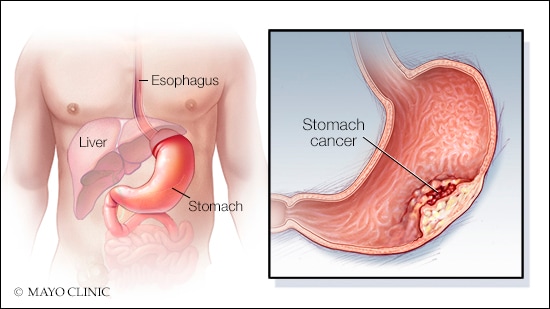
- Digestive system cancers, including cancer of the stomach, small bowel and colon.
- Female reproductive system cancers, including endometrial, and ovarian cancers.
- Pancreatic cancer.
- Skin cancer, particularly cancer that affects small glands in the skin that make oil, called sebaceous glands.
- Urinary system cancers, including cancer of the area at the center of the kidney, called the renal pelvis, as well as bladder cancer and cancer of the tubes that connect the kidneys to the bladder, called the ureters.
- Prostate cancer.
Current research hasn't shown a clear link between Lynch syndrome and an increased risk of breast cancer. Some breast cancers in people with Lynch syndrome show the same DNA repair gene changes, but experts agree there isn't enough evidence to consider breast cancer part of the Lynch syndrome cancer spectrum.



Top ranked in the U.S.
Mayo Clinic in Rochester, Minnesota, has been recognized as the best Gastroenterology & GI Surgery hospital in the nation by U.S. News & World Report.
CON-20374694
Mayo Clinic does not endorse companies or products. Advertising revenue supports our not-for-profit mission.
Advertising & Sponsorship
Mayo Clinic Press
Check out these best-sellers and special offers on books and newsletters from Mayo Clinic Press.
