Keratoconus
    Doctors and departments

    March 13, 2025

    Mayo Clinic has one of the largest and most experienced practices in the United States, with campuses in Arizona, Florida and Minnesota. Staff skilled in dozens of specialties work together to ensure quality care and successful recovery.

    Doctors who treat this condition

    Showing 1-8 of 8

    Filter By


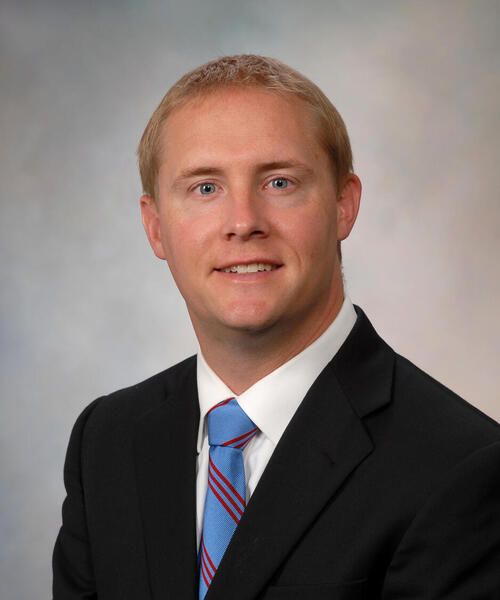
    1. Keith H. Baratz, M.D.

      Ophthalmologist
      1. Rochester, MN
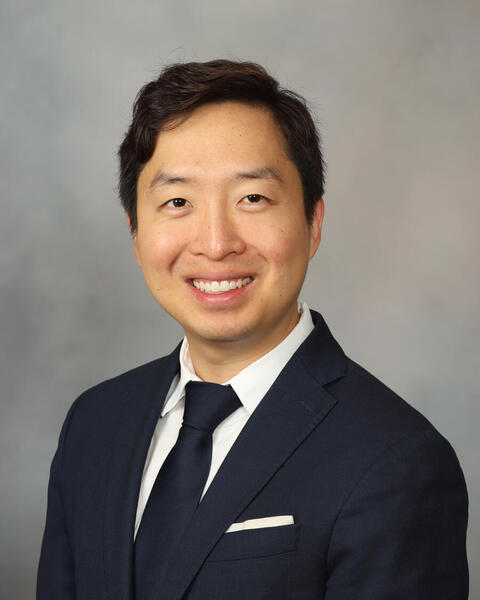
    2. Eric J. Kim, M.D.

      Ophthalmologist, Pediatric Ophthalmologist
      1. Rochester, MN
    3. Darby D. Miller, M.D., M.P.H.

      Ophthalmologist
      1. Jacksonville, FL
    4. Cherie B. Nau, O.D.

      Optometrist
      1. Rochester, MN
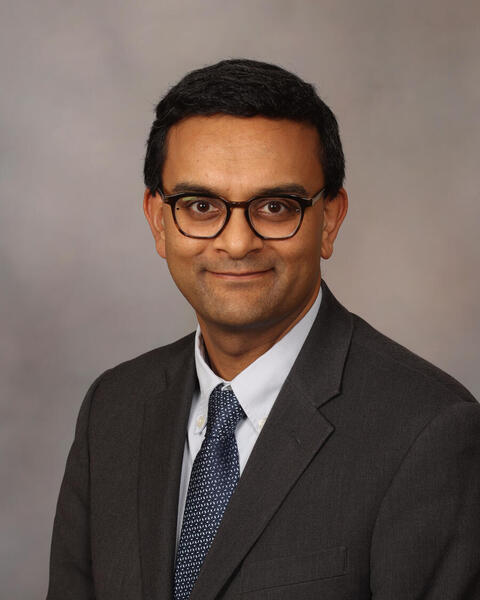
    5. Sanjay V. Patel, M.D.

      Ophthalmologist
      1. Rochester, MN
    6. Muriel M. Schornack, O.D.

      Optometrist
      1. Rochester, MN
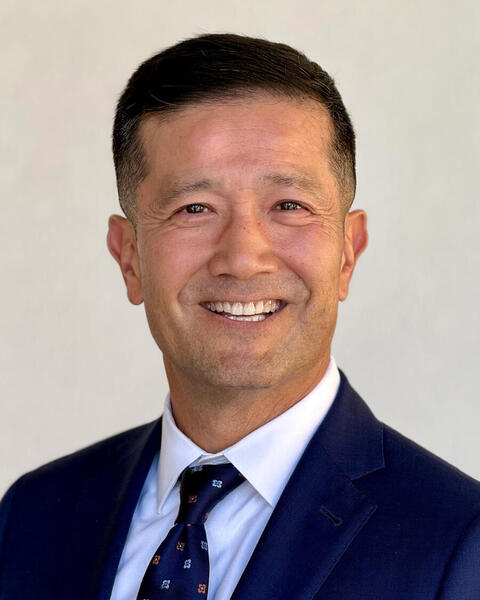
    7. Joanne F. Shen, M.D.

      Ophthalmologist
      1. Phoenix, AZ
    8. Long D. Tran, O.D.

      Optometrist
      1. Jacksonville, FL

    Research

    Mayo Clinic doctors trained in ophthalmology conduct research in diagnostic tests and possible treatments for keratoconus. Research includes studies in new techniques and long-term outcomes of cornea transplant, corneal cross-linking, and other areas.

    Publications

    See a list of publications about keratoconus by Mayo Clinic doctors on PubMed, a service of the National Library of Medicine.

    Research profiles

    Showing 1-6 of 6

    Filter By


    1. Keith H. Baratz

      M.D.

      Professor of Ophthalmology

    2. Yutao Liu

      Ph.D., M.S.

      Professor of Ophthalmology

    3. Cherie B. Nau

      O.D.

      Associate Professor of Ophthalmology

    4. Sanjay V. Patel

      M.D.

      Professor of Ophthalmology

    5. Muriel M. Schornack

      O.D.

      Associate Professor of Ophthalmology

    6. Xiaoming Zhang

      Ph.D.

      Associate Professor of Biomedical Engineering, Professor of Radiology

    CON-20156918

    Thank a researcher today

    Mayo Clinic researchers drive discoveries that improve detection, diagnosis and treatment. Your quick message to them means so much.