
Cancer screening tests

    Mayo Clinic Healthcare provides private cancer screening tests from our experienced team of multidisciplinary specialists. Our specialists take a personalised approach to assessing your health, ensuring that you are well-informed about your options, as well as empowering you to take proactive steps to stay healthy.

    Why Cancer Screening Tests Matter

    Cancer screening tests are crucial to effective treatment. Early stage diagnosis means treating the cancer at its most manageable, leading to less aggressive treatment and a higher chance of recovery. Early stage detection also helps manage the disease before it progresses or spreads, which limits treatment options.

    Who Should Consider Cancer Screenings

    Cancer checks may be advised for any patient, but there are groups for whom a screening would be more likely to be recommended.

    These include:

    • Older patients, typically those aged 50 and above
    • People with a family history of cancer
    • Individuals with a history of lifestyle related risks (including smoking or excessive alcohol use)
    • Those in high-risk groups

    If you notice symptoms you believe may be related to cancer - such as unexpected weight loss, fatigue, or abnormal lumps - it’s important to seek advice early. An evaluation from your GP, and expertise from our specialists, can give you the answers you need.

    Book an appointment with a GP today to discuss your symptoms. Our specialists will then guide you through the best next steps for you.

    Cancer Screening Test at Mayo Clinic Healthcare

    Your cancer screening tests at Mayo Clinic Healthcare are designed to not only detect potential abnormalities, but also to offer you comprehensive insights into your health.

    After your screening, our specialists review the results and work collaboratively to form a plan of action. Whether your results indicate a need for further testing, different treatment or preventative care, you will be guided every step of the way. 

    Specific Cancer Screenings

    Mayo Healthcare Clinic provides private cancer checks for many different cancer diagnoses. For more detailed information on each screening, please visit each test's dedicated page.

    Bowel cancer often starts as small polyps in the large intestine, which may not produce symptoms in the early stages. Identifying and removing polyps before they become cancerous can reduce the risk of cancer developing.

    In the UK, routine bowel cancer screening tests are usually recommended for people aged 50 to 74. Your doctor may recommend starting cancer checks earlier if you have a family history, or if you are part of a higher risk group.

    Options for cancer screenings at Mayo Clinic Healthcare include a colonoscopy, virtual colonoscopy via a CT scan, or non-invasive procedures, such as a FIT stool test. Mayo Clinic Healthcare specialists will help determine which screening option is most appropriate, based on your individual risk and needs. 

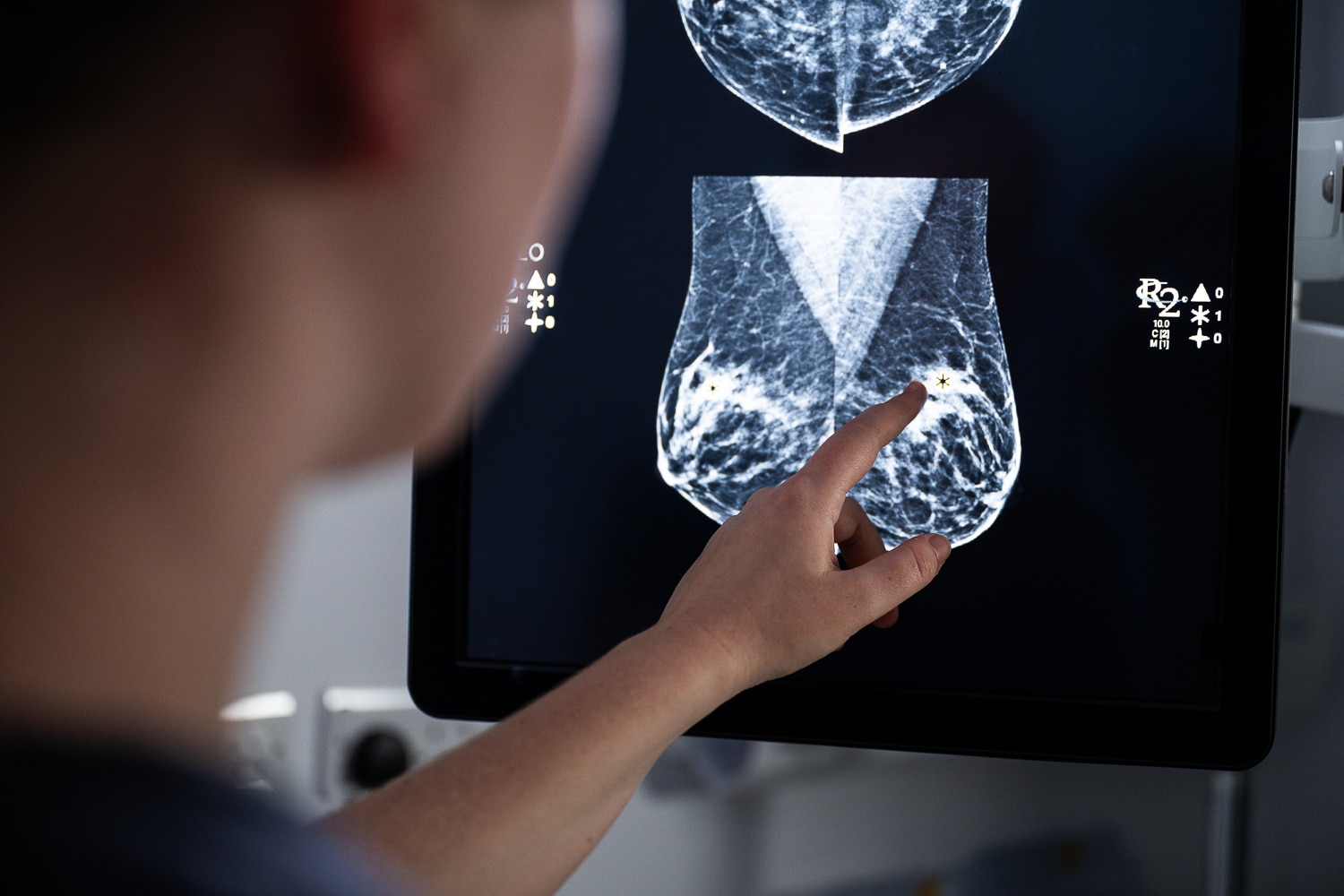
    The severity of breast cancer can vary widely in how it behaves and progresses, which makes early detection through cancer screening tests essential.

    Our general recommendation is that women above the age of 40 have a mammogram screening every three years. However, your specialist may recommend screening earlier or more frequently if you have higher risk factors such as a family history of breast cancer.

    Breast cancer screening tests come in several forms, including a clinical breast examination by a specialist, mammogram, and an MRI in select cases with high-risk patients.

    These private cancer checks are performed based on individual risk assessment and clinical recommendation, ensuring you receive the most appropriate and effective care. 

    Early-stage cervical cancer doesn't always produce symptoms, meaning regular screenings are an important preventive tool.

    Cervical cancer is primarily caused by persistent infection with certain types of human papillomavirus (known as HPV). Although HPV infections are common and often not dangerous, persistent infection with high-risk strains can develop into cervical cancer.

    In the UK, routine cervical screening is recommended for women aged 25 to 49, with screenings every three years. For women between 50 and 64, screenings are recommended every five years. Women older than 65 will typically be screened if they have abnormal results or have never been tested before.

    Cervical cancer screening tests come in two forms: a HPV test and a pap test. Your physician will outline with you the best option for your symptoms, taking into account your health history and risk factors.

    Prostate cancer can be aggressive in some cases, making early detection and action essential.

    Currently screening guidelines recommend that men over the age of fifty should discuss prostate cancer screening tests with their GP. However, for certain high-risk patients, such as those with a family history of prostate cancer, these conversations may start earlier.

    Prostate cancer checks can take the form of prostate-specific antigen test (known as PSA), or through a digital rectal exam (DRE). Your GP will guide you into deciding the most appropriate time to begin prostate cancer checks, and the best way to take action if needed.

    Private health insurance for your cancer screening

    Mayo Clinic Healthcare works with all major private health insurance providers, including AXA PPP, Aviva, BUPA, Vitality Health and WPA. Self-pay arrangements are also available.

    Our team is always here to answer your questions and guide you through the next steps. Request an appointment with us today. 

    Request an Appointment

    Through Mayo Clinic, you have access to the collective expertise of our 7,300 physicians worldwide, including many physicians that specialise in cancer diagnosis and treatment.

    If you have concerns about your health, or would like a cancer screening test for peace of mind, our team is here to help. Request an appointment with us today.