Brain aneurysm Care at Mayo Clinic
Brain aneurysm care at Mayo Clinic
Your Mayo Clinic care team
- Mayo Clinic specialists trained in brain conditions (neurologists), brain surgery (neurosurgeons) and endovascular treatments (neurosurgeons and neuroradiologists) have experience treating people who have brain aneurysms and other brain and blood vessel conditions, also called cerebrovascular diseases.
- Mayo Clinic's team approach means your healthcare professionals often can diagnose your particular condition and develop a treatment plan within a few days.

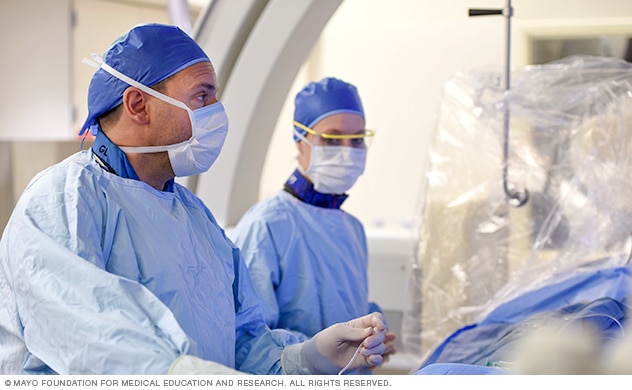
Mayo Clinic neurologists, neurosurgeons, neuroradiologists and others work together for brain aneurysm care.
Advanced diagnosis and treatment
-
The latest diagnostic tests. Mayo Clinic experts evaluate people who have brain aneurysms with computerized tomography, magnetic resonance imaging, computerized tomography angiography, magnetic resonance angiography, cerebral arteriography, cerebrospinal fluid examination and other tests.
Your healthcare professional may use these tests to diagnose an unruptured aneurysm and determine its size, location and other characteristics and assess the aneurysm's risk of rupture. Healthcare professionals also use these tests to diagnose a ruptured aneurysm, which needs emergency treatment.
- Treatment expertise. Mayo Clinic specialists have wide and varied expertise treating brain aneurysms using the most current approaches:
- Endovascular techniques such as coiling or coiling in combination with stenting.
- Flow diverters for larger or more complex aneurysms.
- Other new endovascular techniques and surgery.
- Experience. Mayo Clinic is one of the nation's largest treatment and research centers for cerebrovascular diseases.
- Individualized treatment. Mayo Clinic specialists work closely with you to develop an individualized treatment plan to prevent brain hemorrhage. The plan is based on your brain aneurysm's size and location and other aneurysm features. It's also based on the predicted risk of rupture, consideration of any family history of aneurysm rupture, your medical condition and your preference after consulting with your Mayo Clinic healthcare professionals.
- Research. Mayo Clinic specialists conduct research in potential causes, risks, diagnostic tests and treatments for brain aneurysms and other brain conditions and conduct clinical trials.

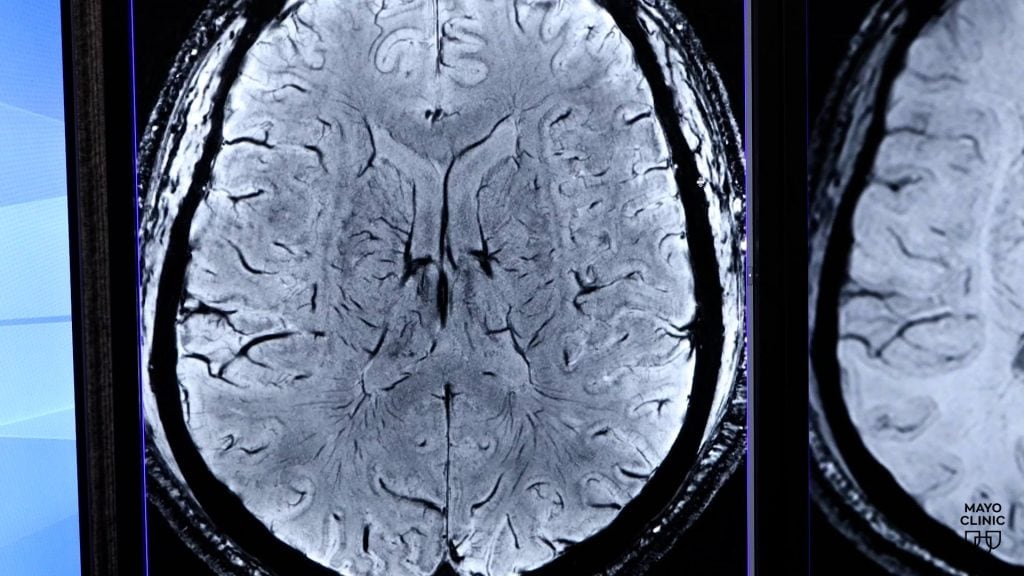
Highly ranked Mayo Clinic doctors use CT scanning, MRI, computerized tomography angiography, magnetic resonance angiography, cerebral arteriography, cerebrospinal fluid examination and other tests to diagnose and treat brain aneurysm.
Nationally recognized expertise
Mayo Clinic is recognized nationally for neurology and neurosurgery, including brain aneurysm care.
Expertise and rankings
American Heart Association (AHA) guidelines for care
Mayo Clinic specialists helped author the AHA guidelines on preventing, diagnosing and caring for subarachnoid hemorrhages and management of intracranial aneurysms.
Versatility
Once the treatment approach is determined, Mayo Clinic specialists are versatile in all types of treatment.
Certified stroke centers
Mayo Clinic Health System's campuses in LaCrosse, and Eau Claire, Wisconsin, and Mankato, Minnesota are certified as Primary Stroke Centers by The Joint Commission, a national organization that evaluates and accredits healthcare professionals. Mayo Clinic's campus in Rochester, Minnesota, is certified as an Advanced Comprehensive Stroke Center by The Joint Commission and Mayo Clinic in Florida and Mayo Clinic in Arizona are certified by the Det Norske Veritas.
Nationally recognized expertise
Mayo Clinic in Rochester, Minnesota, Mayo Clinic in Phoenix/Scottsdale, Arizona, and Mayo Clinic in Jacksonville, Florida, are ranked among the Best Hospitals for neurology and neurosurgery in the U.S. News & World Report Best Hospitals rankings.
Locations, travel and lodging
Mayo Clinic has major campuses in Phoenix and Scottsdale, Arizona; Jacksonville, Florida; and Rochester, Minnesota. The Mayo Clinic Health System has dozens of locations in several states.
For more information on visiting Mayo Clinic, choose your location below:


Costs and insurance
Mayo Clinic works with hundreds of insurance companies and is an in-network provider for millions of people.
In most cases, Mayo Clinic doesn't require a physician referral. Some insurers require referrals or may have additional requirements for certain medical care. All appointments are prioritized on the basis of medical need.
Learn more about appointments at Mayo Clinic.
Please contact your insurance company to verify medical coverage and to obtain any needed authorization prior to your visit. Often, your insurer's customer service number is printed on the back of your insurance card.
More information about billing and insurance:


CON-20301696
