Jan. 27, 2026
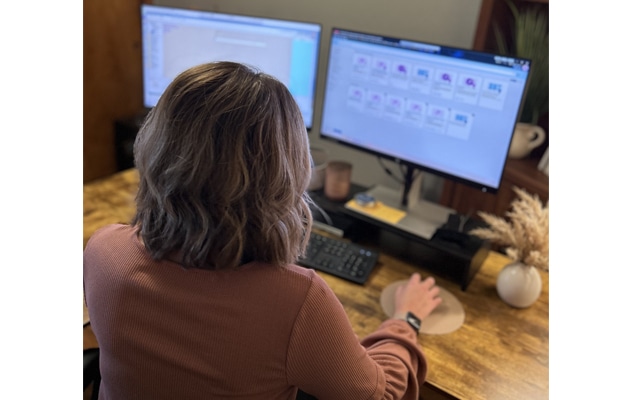 创伤登记工作人员
创伤登记工作人员负责收集、分配 ICD-10 代码和损伤等级值,并管理数据以进行分析和报告生成。
The American College of Surgeons (ACS) Trauma Quality Improvement Program (TQIP) provides standardized quality metrics for Level 1, 2 and 3 trauma centers, enabling objective benchmarking of patient care nationwide. Trauma professionals document diagnoses in the trauma bay, such as severe traumatic brain injury with respiratory failure and liver laceration, while trauma registry staff assign ICD-10 codes to these diagnoses. According to Brenda M. Schiltz, M.D., M.A., a pediatric critical care specialist and pediatrician at Mayo Clinic in Rochester, Minnesota, the granularity of ICD-10 coding ensures objectivity and correlates directly with injury severity scores. Trauma registries securely submit this data to TQIP, allowing member centers to generate comparative reports at any time.
Some regional trauma centers opt for verification solely through the State Trauma Advisory Council (STAC), which maintains standards similar to TQIP and supports statewide benchmarking, as noted by Todd M. Emanuel, R.N., a pediatric trauma program coordinator at Mayo Clinic in Rochester, Minnesota. Level 4 centers do not participate in TQIP. Mayo Clinic's Level 1 trauma centers undergo verification through the American College of Surgeons.
Organizational priorities and data aggregation
As described by Denise B. Klinkner, M.D., M. Ed., a pediatric trauma center director at Mayo Clinic in Rochester, Minnesota, TQIP emphasizes teamwork, leadership, mental health and supportive caregivers. Trauma registrars are responsible for both precise coding and comprehensive documentation of injuries.
Aggregating data nationally through TQIP enables trauma centers to evaluate patient outcomes relative to peer institutions, observe trends and identify outliers. For example, centers can track whether patients with traumatic brain injury are experiencing longer hospital stays or increased complications, such as pneumonia. Positive outliers, such as shorter lengths of stay at Mayo Clinic, are highlighted so other institutions can adopt best practices.
At annual TQIP meetings, leadership focuses on developing and disseminating new best practice guidelines.
Practical applications and continuous improvement
TQIP releases data quarterly to participating centers. Mayo Clinic trauma center leaders review these reports, benchmarking their performance against de-identified peer institutions. Emanuel notes that this process helps identify high outliers in key metrics. For instance, analysis revealed that the average time to antibiotic administration for open fractures at Mayo Clinic exceeded the national goal of 60 minutes.
To address such discrepancies, leaders analyze TQIP data, review means and averages and investigate cases that fall outside target windows. The pediatric trauma subcommittee examines factors such as documentation accuracy and appropriateness of delayed antibiotic administration. If gaps are identified, action plans are developed, which may include targeted staff education.
Reviewing TQIP data drives changes in clinical practice and resource allocation, including staffing, equipment and guideline revisions. Dr. Schiltz emphasizes that analyzing TQIP data ensures appropriate resource distribution to patients.
The pediatric trauma subcommittee uses TQIP data to assess triage accuracy, activation codes and appropriate coding. Benchmarking undertriage and overtriage rates against other trauma centers informs criteria adjustments. For example, after identifying high injury severity scores among patients with lower activation criteria, the subcommittee revised its triage protocols, particularly for pediatric head bleeds. These changes are monitored for effectiveness, with ongoing review to refine criteria.
Dissemination and education
Insights from TQIP are shared at multiple forums where Mayo Clinic and Mayo Clinic Health System trauma centers collaborate on patient care themes, new initiatives and resource distribution. The Southern Minnesota Regional Trauma Advisory Committee also discusses standards and practices informed by TQIP data.
TQIP offers extensive online resources for data analysis, updates on standards, and educational content tailored to program managers, researchers, nurses, data managers and registrars. Annual national conferences are open to all trauma personnel, regardless of verification status.
"Using TQIP is an intensive process, and it improves the quality of care and patient outcomes," says Emanuel. "Ultimately, being part of TQIP is very valuable."