
Overview
Angina (an-JIE-nuh or AN-juh-nuh) is a type of chest pain. It happens when there's less blood flow to the heart muscle. Angina is a symptom of a heart condition called coronary artery disease.
Angina is also called angina pectoris.
Angina pain often feels like squeezing, pressure, heaviness, tightness or pain in the chest. It may feel like a heavy weight lying on the chest. Angina may be a new pain that needs to be checked by a healthcare professional. Angina also can refer to repeated chest pain that goes away with treatment.
Angina is relatively common. But some people may not be able to tell it apart from other types of chest pain, such as heartburn. If you have unexplained chest pain, get medical help right away.
Symptoms
Angina symptoms include chest pain and discomfort that may feel like:
- Heaviness.
- Fullness.
- Pressure.
- Squeezing.
- Tightness.
- Burning.
Pain also may be felt in the arms, neck, jaw, shoulder or back.
Other symptoms of angina include:
- Dizziness.
- Fatigue.
- Upset stomach, also called nausea.
- Shortness of breath.
- Sweating.
How bad angina symptoms are and how long they last can vary from person to person. New or different symptoms may be a sign of unstable angina or heart attack.
Have a healthcare professional check any new or worsening angina symptoms right away. The healthcare team can find out whether you have stable or unstable angina.
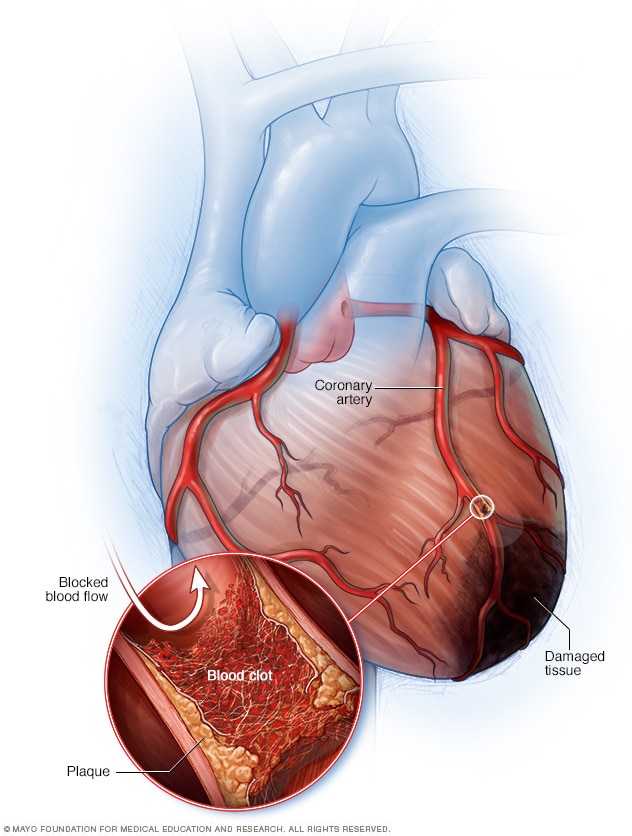
Heart attack
A heart attack occurs when an artery supplying the heart with blood and oxygen becomes blocked. Fatty deposits build up over time, forming plaques in the heart's arteries. If a plaque ruptures, a blood clot can form and block the arteries, causing a heart attack. During a heart attack, tissue in the heart muscle dies due to lack of blood flow through the heart's arteries.
Angina in women
Symptoms of angina in women can be different from the classic angina symptoms men often have. These differences may lead to delays in seeking treatment. For example, chest pain may not be the only symptom or the most common symptom. Other symptoms of angina in women may include:
- Pain in the neck, jaw, teeth or back.
- Nausea.
- Shortness of breath.
- Sharp or stabbing pain instead of chest pressure.
- Stomach pain.
- Dizziness.
- Fatigue.
When to see a doctor
Chest pain that lasts longer than a few minutes and doesn't go away with rest or angina medicines may be due to a heart attack. Call 911 or emergency medical help. Only drive yourself to the hospital if there is no other way to get there.
If chest discomfort is a new symptom for you, get a health checkup to learn the cause and get treatment. If you have stable angina and it gets worse or changes, seek medical help right away.
Causes
Too little blood flow to the heart causes angina. Blood carries oxygen, which the heart needs to survive. When the heart isn't getting enough oxygen, it causes a condition called ischemia.
The most common cause of low blood flow to the heart is coronary artery disease. The heart arteries, called the coronary arteries, can become narrowed by fatty deposits known as plaque. This condition is called atherosclerosis.
Plaque in a blood vessel may break open or cause a blood clot. These events can quickly lessen or stop blood flow to the heart.
When oxygen demand is low, the heart may still work without causing angina. An example is when resting. But when the heart needs more oxygen, such as when exercising, angina can happen.
Risk factors
The following things may increase the risk of angina:
- Older age. The risk of angina goes up for men after age 45 and for women after age 55.
- Family history of heart disease. Tell your healthcare team if your parents or any of your siblings have or had heart disease or a heart attack.
- Smoking and using tobacco. If you smoke or chew tobacco, quit. Substances in tobacco smoke hurt the blood vessels and heart. Being around the smoke of others, called secondhand smoke, also is risky. Secondhand smoke includes the smoke from a burning cigarette or pipe and the smoke breathed out by someone who uses tobacco. Any amount of secondhand smoke is bad for the heart and blood vessels.
- Diabetes. Diabetes increases the risk of coronary artery disease. Coronary artery disease can cause angina.
- High blood pressure. Over time, high blood pressure can harm the arteries and make them thick and stiff.
- High cholesterol or triglyceride levels. Too much "bad" cholesterol, called low-density lipoprotein (LDL) cholesterol, in the blood can cause arteries to narrow. A high LDL cholesterol level increases the risk of angina and heart attack. A high level of triglycerides in the blood also raises the risk.
- Other health conditions. Chronic kidney disease, peripheral artery disease, metabolic syndrome and a history of stroke increase the risk of angina.
- Not enough exercise. An inactive lifestyle raises the risk of high cholesterol, high blood pressure, type 2 diabetes and obesity. Talk with your healthcare team about the type and amount of exercise that's best for you.
- Obesity. Obesity is a risk factor for heart disease, which can cause angina. Being overweight makes the heart work harder to supply blood to the body.
- Emotional stress. Too much stress and anger can raise blood pressure. Rushes of hormones made by the body during stress can narrow the arteries and make angina worse.
- Medicines. Some medicines tighten blood vessels, which may trigger Prinzmetal angina. Examples are some migraine medicines.
- Illicit drug use. Cocaine and other stimulants can cause blood vessel spasms and trigger angina.
- Extreme cold or hot temperatures. Being in cold temperatures can trigger Prinzmetal angina.
Complications
The chest pain from angina can make some activities, such as walking, not comfortable. However, the most dangerous complication of angina is heart attack.
Symptoms of a heart attack may include:
- Chest pain that may feel like pressure, tightness, pain, squeezing or aching.
- Pain or discomfort that spreads to the shoulder, arm, back, neck, jaw, teeth or sometimes the upper belly.
- Cold sweats.
- Heartburn or indigestion.
- Lightheadedness or sudden dizziness.
- Nausea.
- Shortness of breath.
- Fatigue.
A heart attack usually causes chest pain that lasts more than 15 minutes. The chest pain may be mild to severe. Some people don't have any chest pain or pressure. Symptoms may be less obvious in some people, especially women. For example, heart attack symptoms may include nausea or a brief or sharp pain felt in the neck, arm or back.
Some heart attacks happen suddenly. But many people have warning signs hours or days in advance.
If you think you are having a heart attack, call 911 or emergency medical help right away.
Prevention
You can help prevent angina by making the same lifestyle choices that are used to treat angina:
- Don't smoke or use tobacco.
- Eat a healthy diet.
- Stay active and get regular exercise.
- Keep a healthy weight.
- Manage other health conditions related to heart disease, such as high blood pressure, high cholesterol and diabetes.
- Find ways to lower and prevent emotional stress.
- Get 7 to 9 hours of sleep a day.
Also get recommended vaccines to avoid heart complications.
If you have stable angina, talk with your healthcare professional about medicines to prevent angina or reduce your symptoms. You also can:
- Know your triggers. Take note of what makes your angina worse or better.
- Don't be in places with very hot or very cold temperatures. Extreme temperatures make the heart work harder and can cause some types of angina.
- Ask about exercise and activities. Too much physical activity may trigger chest pain. Talk with your healthcare team about which activities are safe for you.