Hypertrophic cardiomyopathy Care at Mayo Clinic
Hypertrophic cardiomyopathy care at Mayo Clinic
Your Mayo Clinic care team
At Mayo Clinic, a multidisciplinary team of cardiologists, heart surgeons, heart rhythm specialists, geneticists, nurses and other specialists trained in treating hypertrophic cardiomyopathy work together to provide coordinated, comprehensive care.
This means that you're not getting just one opinion — you benefit from the knowledge and experience of each specialist on the multidisciplinary team. This collaborative approach means healthcare professionals can often evaluate you and develop an individualized treatment plan within 2 to 3 days.

A team at Mayo Clinic
A team of healthcare professionals work together at Mayo Clinic.
Advanced diagnosis and treatment
Mayo Clinic has a long-standing hypertrophic cardiomyopathy program that provides highly individualized care. Your treatment team may provide activity recommendations, medical management and treatments, such as septal myectomy, septal ablation and implantable cardioverter-defibrillator (ICD) placement.
Your care at Mayo Clinic may include:
- A comprehensive evaluation. Healthcare professionals evaluate your heart condition as well as any other medical conditions that affect your treatment. Your team consults with specialists in other areas, as needed, to make sure you receive the most appropriate treatment.
- The latest diagnostic tools. Mayo Clinic maintains state-of-the-art laboratory and imaging facilities. The hypertrophic cardiomyopathy specialists at Mayo Clinic use advanced technology and sophisticated imaging equipment to diagnose hypertrophic cardiomyopathy. Mayo Clinic specialists are experienced in using a variety of imaging tools, including cardiac MRI, cardiac catheterization and echocardiograms, specifically for people with hypertrophic cardiomyopathy.
- Genetic testing and counseling. Experienced Mayo genetic counselors and medical geneticists provide genetic counseling and testing for people with hypertrophic cardiomyopathy and their families.
- Septal myectomy surgery. Mayo Clinic has decades of experience in performing septal myectomy surgery — a treatment in which a cardiac surgeon removes part of the thickened heart muscle to improve blood flow. Septal myectomy surgery has been performed at Mayo Clinic since 1959.
- Education and support. Nurses and other staff trained in the Hypertrophic Cardiomyopathy Clinic work with your cardiologist to provide education and support.
Expertise and rankings
Mayo Clinic specialists have experience diagnosing and treating hypertrophic cardiomyopathy. Nearly 2,300 children and adults are evaluated and treated for hypertrophic cardiomyopathy at Mayo Clinic each year.
Learn more about Mayo Clinic's cardiovascular surgery and cardiovascular medicine departments' expertise and rankings.
With Mayo Clinic's emphasis on collaborative care, specialists at each of the campuses — Minnesota, Arizona and Florida — interact very closely with colleagues at the other campuses and the Mayo Clinic Health System.
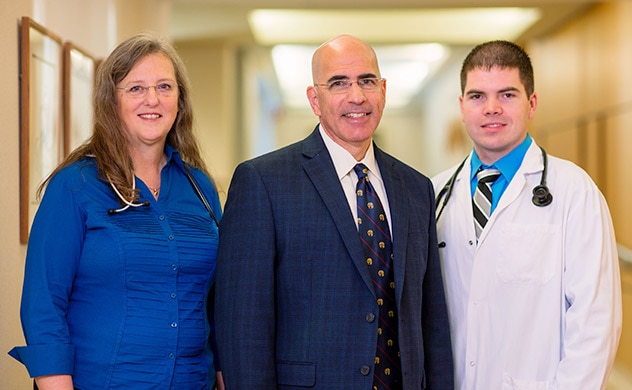
Cardiovascular medicine and cardiovascular surgery team
A team of cardiologists and cardiovascular surgeons works together at Mayo Clinic.
Nationally recognized expertise
Mayo Clinic in Rochester, Minnesota, Mayo Clinic in Phoenix/Scottsdale, Arizona, and Mayo Clinic in Jacksonville, Florida, are ranked among the Best Hospitals for heart and heart surgery by U.S. News & World Report. Mayo Clinic Children's in Rochester is ranked the No. 1 hospital in Minnesota and the five-state region of Iowa, Minnesota, North Dakota, South Dakota and Wisconsin, according to U.S. News & World Report's 2025-2026 "Best Children's Hospitals" rankings.
Learn more about Mayo Clinic's cardiovascular medicine and cardiovascular surgery departments' expertise and rankings.
With Mayo Clinic's emphasis on collaborative care, specialists at each of the campuses — Minnesota, Arizona and Florida — work closely with colleagues at the other campuses and the Mayo Clinic Health System.

Mayo Clinic Children's
Highly skilled pediatric experts diagnose and treat all types of conditions in children. As a team, we work together to find answers, set goals and develop a treatment plan tailored to your child's needs.
Locations, travel and lodging
Mayo Clinic has major campuses in Phoenix and Scottsdale, Arizona; Jacksonville, Florida; and Rochester, Minnesota. The Mayo Clinic Health System has dozens of locations in several states.
For more information on visiting Mayo Clinic, choose your location below:


Costs and insurance
Mayo Clinic works with hundreds of insurance companies and is an in-network provider for millions of people.
In most cases, Mayo Clinic doesn't require a physician referral. Some insurers require referrals or may have additional requirements for certain medical care. All appointments are prioritized on the basis of medical need.
Learn more about appointments at Mayo Clinic.
Please contact your insurance company to verify medical coverage and to obtain any needed authorization prior to your visit. Often, your insurer's customer service number is printed on the back of your insurance card.
More information about billing and insurance:
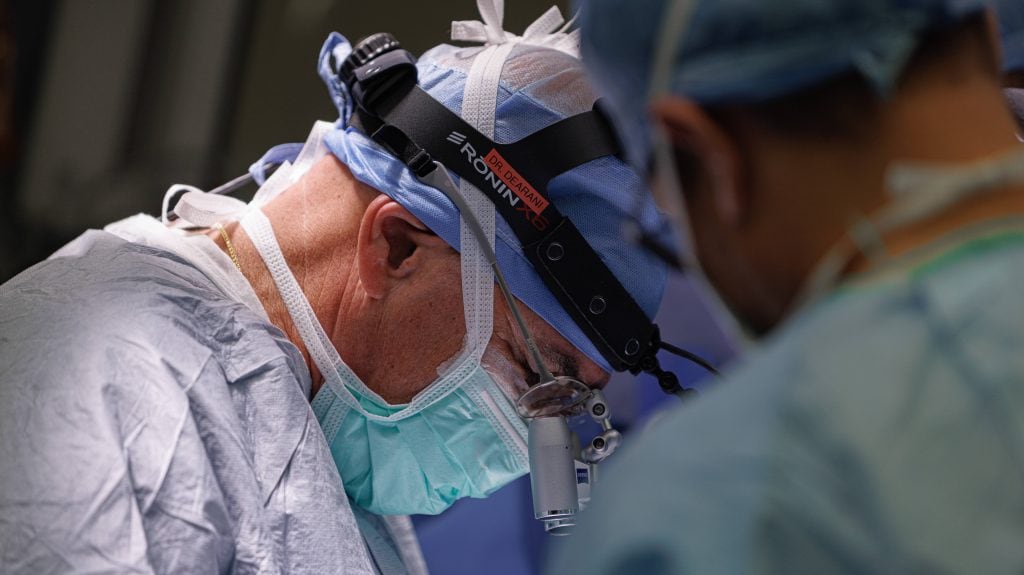
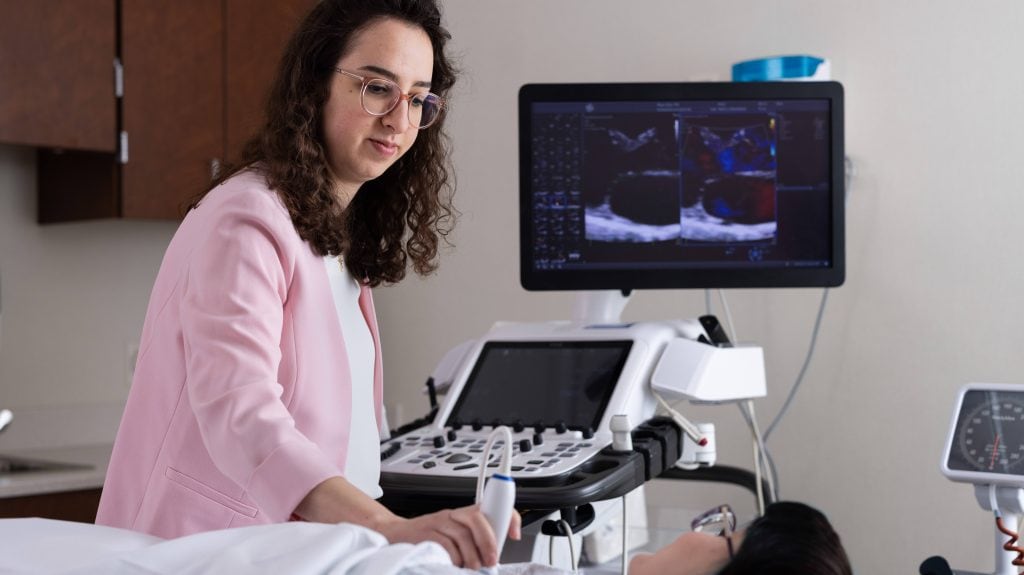


Top ranked in the U.S.
Mayo Clinic in Rochester, Minnesota, has been recognized as one of the top Cardiology & Heart Surgery hospitals in the nation by U.S. News & World Report.
CON-20122098
