Spina bifida Care at Mayo Clinic
Spina bifida care at Mayo Clinic
Your Mayo Clinic care team

Mayo Clinic's pediatric experts provide the highest quality care for children with spina bifida and any complications.
At Mayo Clinic, you can expect exceptional care from our multispecialty team of pediatric experts on spina bifida. Based on your child's need, the team of experts may include pediatric or adult specialists in neurosurgery, neurology, urology, orthopedic surgery and radiology. They also may include specialists in physical medicine and rehabilitation, pediatric rehabilitation, clinical genomics, fetal and maternal medicine, pediatric surgery, and others.
Mayo Clinic has significant expertise and experience in caring for children and adults who have spina bifida, treating around 300 people every year.
Advanced diagnosis and treatment: Spina bifida surgery before birth
When a spina bifida diagnosis is made before birth, pregnant people need comprehensive evaluations to determine treatment options. Mayo Clinic experts may offer in utero spina bifida surgery. This complex procedure involves a team from several Mayo Clinic specialties. They include pediatric neurosurgery, obstetrics and gynecology, and maternal and fetal medicine.
Using ultrasound as a guide, surgeons expose the uterus surgically, open the uterus, repair the baby's spinal cord and close the incision. When done by the experienced specialists at Mayo Clinic, prenatal surgery typically results in significantly less disability for the child with spina bifida.
Through new innovations, Mayo Clinic surgeons are repairing spina bifida before birth with the use of a fetoscope. This vastly improves the life of the baby and enables a vaginal deliver closer to term.
Surgery before birth often can be offered for serious birth defects such as spina bifida. These conditions are typically diagnosed around 20 weeks during an ultrasound. Once the condition is diagnosed, a multidisciplinary center can offer treatment options, with various specialists coming together using the latest technology and techniques. Early intervention is extremely important. Involving a specialized team sooner helps teams plan and prepare for treatment options.
Mayo Clinic specializes in minimally invasive approaches that improve overall outcomes. Using a multidisciplinary approach, experts for both the pregnant person and the child come together. These include experts in maternal and fetal medicine, obstetricians, cardiologists, neurologists, and others.

Spina bifida fetoscopic surgery
Fetal surgeons access the uterus through an incision in the abdomen, repair the spina bifida defect, and close the opening in the baby's back and the uterine incision.

To aid in treatment planning and decisions, a model of the spine can be generated with computer medical imaging and then printed on a 3D printer.
Spina Bifida Clinic
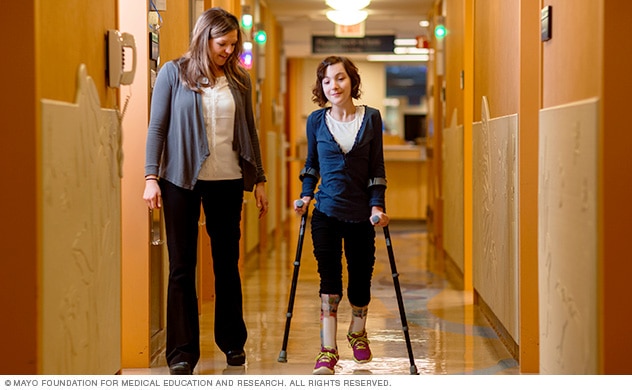
At Mayo Clinic's campus in Rochester, Minnesota, the Spina Bifida Clinic coordinates care for children and teenagers with complex conditions of the spine, spinal cord, brain, bowel and bladder. When these children reach adulthood, they can transition to a Mayo Clinic healthcare team for adults with spina bifida.
You and your child are likely to see many experts over the course of the first visit. This multispecialty team approach results in a personalized treatment plan and care centered on your child. This plan may include surgery, medicine, therapy, special equipment and follow-up appointments with specialists.
Expertise and rankings
Mayo Clinic is consistently recognized by external organizations for providing outstanding care. These endorsements reinforce our commitment to provide expert, compassionate care to both children and adults.
Nationally recognized expertise
Pediatric experts
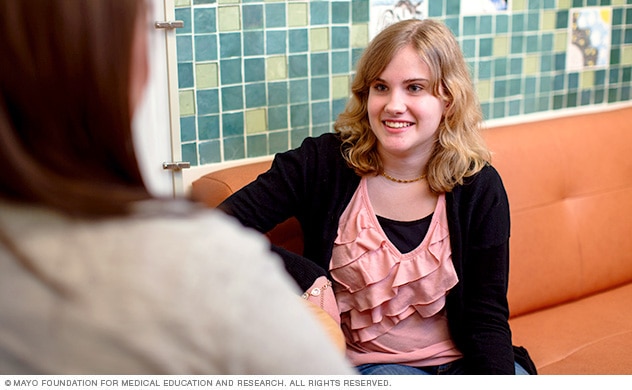
Mayo Clinic's pediatric experts provide the highest quality care for children with spina bifida and any complications. This experienced multispecialty team includes specialists from pediatric neurosurgery, pediatric neurology, pediatric urology, pediatric orthopedic surgery, pediatric rehabilitation and other areas.
Children who need hospital care receive treatment at Mayo Eugenio Litta Children's Hospital, consistently recognized as one of the best children's hospitals in the nation.
Fetal and maternal care in Minnesota
Mayo Clinic offers a coordinated, multispecialty team approach to help people experiencing high-risk pregnancies. Mayo Clinic experts specializing in fetal and maternal care use imaging techniques before delivery to accurately diagnose babies with conditions present at birth, such as spina bifida. They also connect parents with the necessary specialists.
This team of doctors and nurses helps coordinate any necessary intrauterine treatment. The team also plans the route and timing of delivery, and provides a smooth care transition for the newborn infant.
NICU and NICU Follow-Up Clinic
Mayo Clinic's Newborn Intensive Care Unit (NICU) specializes in family-centered care of premature and critically ill newborn infants. Families are welcome at the baby's bedside and have support spaces throughout the unit, such as family waiting areas and rooms, parent sleep rooms, and breastfeeding rooms.
Mayo's NICU Follow-Up Clinic ensures continuity of quality care after the baby leaves the NICU.
Continuity of care
Mayo Clinic provides lifelong care for spina bifida, so your child can transition to adult care for follow-up to ensure continued quality care.
Mayo Clinic in Rochester, Minnesota, is ranked among the Best Hospitals for neurology and neurosurgery and rehabilitation by U.S. News & World Report. In U.S. News & World Report’s regional analysis, Mayo Clinic Children’s is ranked No. 1 in Minnesota and No. 1 in the five-state Upper Midwest region, which includes Minnesota, Wisconsin, Iowa, North Dakota and South Dakota.
Mayo Clinic in Rochester, Minnesota, Mayo Clinic in Phoenix/Scottsdale, Arizona, and Mayo Clinic in Jacksonville, Florida, are ranked among the Best Hospitals for orthopedics by U.S. News & World Report.
Mayo Clinic in Minnesota ranks among the best hospitals for urology in the U.S. News & World Report Best Hospitals rankings.

Mayo Clinic Children's
Highly skilled pediatric experts diagnose and treat all types of conditions in children. As a team, we work together to find answers, set goals and develop a treatment plan tailored to your child's needs.
Locations, travel and lodging
Mayo Clinic has major campuses in Phoenix and Scottsdale, Arizona; Jacksonville, Florida; and Rochester, Minnesota. The Mayo Clinic Health System has dozens of locations in several states.
For more information on visiting Mayo Clinic, choose your location below:


Costs and insurance
Mayo Clinic works with hundreds of insurance companies and is an in-network provider for millions of people.
In most cases, Mayo Clinic doesn't require a physician referral. Some insurers require referrals or may have additional requirements for certain medical care. All appointments are prioritized on the basis of medical need.
Learn more about appointments at Mayo Clinic.
Please contact your insurance company to verify medical coverage and to obtain any needed authorization prior to your visit. Often, your insurer's customer service number is printed on the back of your insurance card.
More information about billing and insurance:
Top ranked in the U.S.
Mayo Clinic in Rochester, Minnesota, Mayo Clinic in Phoenix/Scottsdale, Arizona, and Mayo Clinic in Jacksonville, Florida, have been ranked among the best Neurology & Neurosurgery hospitals in the nation by U.S. News & World Report.
CON-20377839
