Overview
Colon and rectum
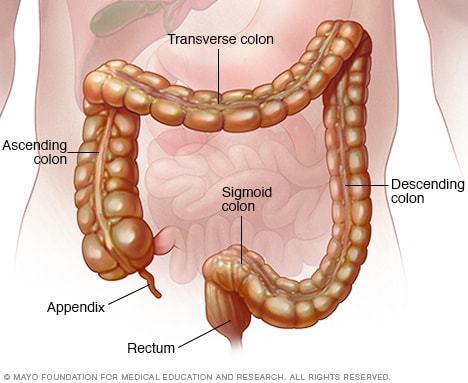
Colon and rectum
The colon is a long tubelike organ in the belly. It is part of the digestive system. The colon processes and removes waste that's left from digesting foods. Waste leaves the body as stool through the rectum and anus.
Microscopic colitis is a condition where the large intestine, also called the colon, looks healthy but shows changes when viewed under a microscope. These changes cause frequent, watery diarrhea.
It's not clear what causes microscopic colitis. Factors linked to the condition may have some effect in causing, triggering or worsening the condition.
Microscopic colitis is more common among women and older adults.
Treatments include medicines to improve symptoms. Changes in diet and lifestyle habits also may help.
Products & Services
Symptoms
The main symptom of microscopic colitis is frequent watery diarrhea without blood. People with the condition often have multiple stools a day.
The bouts of frequent diarrhea may begin gradually or suddenly. Diarrhea usually continues daily without treatment. New rounds of symptoms can return even after successful treatment.
Other signs and symptoms may include:
- Diarrhea at night.
- Accidentally passing stool.
- Sudden urge to pass stool.
- Belly pain.
- Extreme tiredness.
- Weight loss.
Frequent diarrhea can cause dehydration, which is low levels of fluids and important minerals in the body. Signs and symptoms of dehydration include:
- Dark-colored urine.
- Urinating less than usual.
- Extreme thirst or dry mouth.
- Tiredness, lightheadedness or fainting.
- Sunken eyes or cheeks.
When to see a doctor
Many different conditions can cause diarrhea. If you have watery diarrhea that lasts more than a few days, make an appointment with your healthcare professional.
Causes
It's not clear what causes microscopic colitis. Several factors linked to the condition may have some effect in causing, triggering or worsening the condition. They include the following:
- Autoimmune diseases are irregular immune system conditions in which the immune system attacks healthy tissues. Autoimmune diseases that may be linked to microscopic colitis include celiac disease, rheumatoid arthritis, type 1 diabetes and Crohn's disease.
- Medicines that may be related to microscopic colitis include:
- Certain pain relievers, such as aspirin, ibuprofen (Advil, Motrin IB, others) and naproxen sodium (Aleve).
- Treatments for excess stomach acid called proton pump inhibitors (PPIs), including lansoprazole (Prevacid), esomeprazole (Nexium), omeprazole (Prilosec) and others.
- Treatments for depression called selective serotonin reuptake inhibitors (SSRIs), including escitalopram (Lexapro), fluoxetine (Prozac), sertraline (Zoloft) and others.
- Treatments for high cholesterol called statins, including atorvastatin (Lipitor), lovastatin (Altoprev), simvastatin (Zocor) and others.
- Infections in the digestive tract may be a contributing factor in some people.
- Bile acids, which play a role in the digestion of certain fats, sometimes aren't absorbed and recycled correctly, possibly contributing to changes in the colon.
Microscopic colitis is an inflammatory condition. Inflammation is typically the immune system's reaction to disease or injury and is part of the healing process. But some conditions cause long-term inflammation that can damage tissues and affect how they work.
Risk factors
Factors than increase the risk of microscopic colitis include:
- Older age.
- Female sex.
- Family history of microscopic colitis.
- Alcohol use.
- Smoking.
Complications
Frequent diarrhea has an impact on the overall quality of life. It can affect the ability to work and be involved in recreational and social activities.
Microscopic colitis does not increase the risk of colon cancer, unlike some other inflammatory diseases of the colon.
Sept. 09, 2026